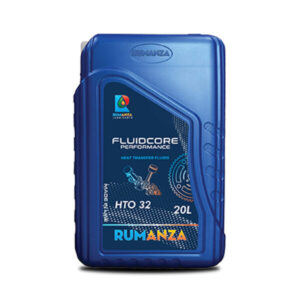

Superior Thermal Efficiency with RUMANZA Heat Transfer Fluids
What Are Heat Transfer Fluids?
Understanding Heat Transfer Fluids
Heat transfer fluids are specialized liquids or gases used to transfer heat between systems. Their primary function is to absorb, transport, and dissipate heat efficiently. The key characteristics of an excellent HTF include:
High thermal stability
Low viscosity for better flow rates
Minimal degradation under high temperatures
Effective heat transfer properties
Low freezing points for cold environments
Non-toxicity and environmental safety
Why Choose RUMANZA Heat Transfer Fluids?
RUMANZA Heat Transfer Fluids are engineered to provide outstanding performance across various applications. Their superior formulation ensures high efficiency and extended service life, reducing downtime and maintenance costs.
1. Superior Thermal Stability
One of the standout features of RUMANZA HTFs is their ability to withstand high temperatures without degradation. This ensures consistent performance, making them ideal for applications that require sustained heat transfer. Their resistance to thermal breakdown means they can be used for extended periods without needing frequent replacement, leading to cost savings.
2. Enhanced Heat Transfer Efficiency
RUMANZA HTFs offer exceptional heat transfer capabilities, enabling industries to achieve precise temperature control and improved process efficiency. This is particularly beneficial in sectors such as:
Chemical processing: Ensuring stable reaction temperatures.
Pharmaceutical manufacturing: Maintaining critical processing conditions.
Food and beverage production: Keeping heating and cooling processes efficient.
Metalworking and molding industries: Enhancing production quality.
3. Oxidation and Corrosion Resistance
Heat transfer systems are prone to oxidation and corrosion, which can reduce efficiency and lead to costly repairs. RUMANZA HTFs are formulated with advanced additives that minimize oxidation, preventing sludge formation and ensuring a longer fluid lifespan. This helps in maintaining system cleanliness and avoiding clogging or efficiency loss over time.
4. Low Viscosity for Optimal Flow
The viscosity of a heat transfer fluid plays a crucial role in its performance. RUMANZA HTFs maintain optimal viscosity across a wide range of temperatures, ensuring smooth circulation and efficient heat transfer. This is particularly beneficial in extreme environments where fluid flow consistency is critical.
5. Eco-Friendly and Sustainable Solutions
With increasing environmental regulations, industries need heat transfer solutions that are both effective and eco-friendly. RUMANZA HTFs are developed using sustainable formulations that reduce environmental impact while maintaining high performance. These fluids are non-toxic and biodegradable, making them safe for industrial use without posing environmental hazards.
6. Energy Efficiency and Cost Savings
By using RUMANZA HTFs, industries can significantly reduce energy consumption. These fluids are designed to optimize heat transfer while minimizing energy waste, leading to lower operational costs. Businesses that switch to RUMANZA HTFs can experience long-term savings by reducing energy bills and maintenance expenses.
Comparing RUMANZA HTFs to Conventional Heat Transfer Fluids
Feature | RUMANZA HTFs – | Conventional HTFs |
|---|---|---|
| Thermal Stability | High | Moderate |
| Oxidation Resistance | Excellent | Limited |
| Viscosity | Low | Higher |
| Environmental Impact | Low | Moderate to High |
| Heat Transfer Efficiency | Superior | Average |
| Maintenance Requirement | Minimal | Frequent |
Applications of Heat Transfer Fluids
RUMANZA HTFs are versatile and used in a wide range of industrial applications, including:
1. Industrial Manufacturing
Maintaining precise temperature control is crucial in manufacturing processes. RUMANZA HTFs help improve productivity and reduce energy consumption in industrial operations. Whether in plastic extrusion, textiles, or metal fabrication, these fluids ensure consistent performance.
2. Power Generation
Power plants rely on efficient heat exchange mechanisms to generate electricity. RUMANZA HTFs ensure optimal heat dissipation, preventing overheating and maximizing energy efficiency. Their ability to maintain stable thermal properties under extreme conditions makes them ideal for steam turbines and power generation units.
3. HVAC Systems
Heating, ventilation, and air conditioning (HVAC) systems require reliable heat transfer fluids to regulate indoor temperatures. RUMANZA HTFs provide consistent thermal performance for residential and commercial HVAC applications. They also enhance system longevity by reducing corrosion and scaling.
4. Solar Power Systems
Solar thermal systems use heat transfer fluids to capture and store solar energy. RUMANZA HTFs enhance efficiency in solar applications, ensuring sustainable energy production. Their ability to function in both high and low temperatures makes them ideal for solar panel heat absorption.
5. Oil & Gas Industry
In the oil and gas sector, heat transfer plays a crucial role in refining, processing, and transportation. RUMANZA HTFs provide a safe and efficient solution for maintaining the required temperatures in drilling operations, pipelines, and refineries.
6. Automotive and Aerospace Applications
The automotive and aerospace industries require high-performance heat transfer fluids for engine cooling, lubrication, and temperature management. RUMANZA HTFs offer exceptional thermal stability and oxidation resistance, making them a preferred choice in these sectors.
Performance Benefits of Heat Transfer Fluids
Industries using RUMANZA HTFs experience significant operational advantages, such as:
Reduced energy consumption: Lower heat loss and improved system efficiency.
Extended equipment lifespan: Minimizing wear and tear due to corrosion resistance.
Lower maintenance costs: Reduced system downtime and repair frequency.
Improved safety and reliability: Non-toxic, stable, and efficient under extreme conditions.
Better thermal conductivity: Ensuring rapid and uniform heat distribution.
Minimal environmental impact: Eco-friendly formulations with low emissions.
Choosing the Right RUMANZA Heat Transfer Fluid
Selecting the right heat transfer fluid depends on various factors, including operating temperature range, system compatibility, and specific industrial requirements. RUMANZA offers a comprehensive range of HTFs tailored for different applications, ensuring optimal performance across diverse industries. Some key factors to consider when choosing an HTF include:
Temperature range: Ensure the fluid can operate effectively at the required temperatures.
System compatibility: Verify compatibility with existing equipment and materials.
Environmental impact: Choose fluids with low toxicity and biodegradability.
Maintenance requirements: Opt for HTFs that require minimal monitoring and replacement.
Best Practices for Maximizing the Efficiency of RUMANZA HTFs
To achieve the best results with RUMANZA Heat Transfer Fluids, industries should follow best practices such as:
Regular monitoring and analysis: Testing fluid properties to detect degradation.
Proper system flushing: Removing contaminants before introducing new HTFs.
Maintaining optimal fluid levels: Ensuring sufficient fluid circulation.
Using compatible materials: Avoiding materials that may react with HTFs.
Implementing preventive maintenance: Addressing potential issues before they cause system failures.
Final Thoughts
RUMANZA Heat Transfer Fluids provide a cutting-edge solution for industries seeking high thermal efficiency, reliability, and sustainability. With advanced formulations, superior heat transfer properties, and long-lasting performance, they are the ultimate choice for optimizing thermal management systems. Investing in RUMANZA HTFs ensures operational excellence, energy savings, and long-term cost benefits.
For industries looking to enhance their heat transfer efficiency, RUMANZA Heat Transfer Fluids offer a proven solution that delivers unmatched performance and reliability. By selecting the right HTF and following best maintenance practices, businesses can maximize productivity while minimizing operational costs.
FAQs
Heat transfer fluids can be classified into synthetic, mineral-based, water-based, and glycol-based fluids. Each type has unique thermal properties suited for different operating conditions.
Selection depends on factors like operating temperature, system compatibility, thermal stability, viscosity, and environmental impact. It’s essential to choose a fluid that meets your specific industrial needs.

Radiator Stop Leak UAE: Quick Fix for Vehicle Cooling System Leaks
Radiator Stop Leak UAE: Quick Fix for Vehicle Cooling System Leaks Discover More Introduction: The Unforgiving UAE Climate and Your Vehicle’s Lifeline The United Arab Emirates’ automotive landscape is defined by extremes. Ambient temperatures that regularly surpass 45°C (113°F), coupled with intense urban congestion and long, high-speed desert drives, create a perfect storm of thermal stress for every vehicle. In this environment, your engine cooling system is not merely a subsystem; it is the single most critical component preventing catastrophic engine failure.
What Type of Transmission Oil in UAE Does My Car Need? Your Complete Guide
What Type of Transmission Oil in UAE Does My Car Need? Your Complete Guide Discover More Navigating the vast, sun-baked highways of the United Arab Emirates—from the dynamic urban sprawls of Dubai and Abu Dhabi to the majestic desert dunes and the tranquil mountain passes of the Hajar range—places extraordinary mechanical and thermal stress on every component of your vehicle. While conscientious drivers often prioritize engine oil changes, the vital lifeblood safeguarding the transmission, the complex heart of your car’s

Guide to UAE Turbine Oil Selection Application & Management for Industrial Facilities
Guide to UAE Turbine Oil Selection, Application, and Management for Industrial Facilities Discover More In the hyper-competitive industrial landscape of the United Arab Emirates, where operational excellence directly translates to economic advantage, turbine lubrication represents a critical nexus of reliability engineering and strategic asset management. This comprehensive guide, developed with technical insights from Rumanza Lubricants, provides an unprecedented deep dive into the science, selection criteria, and life-cycle management of turbine oils specifically engineered for the extreme operating conditions of the

Synthetic vs. Mineral Hydraulic Oil in UAE : Which is Best for Your Operation?
Synthetic vs. Mineral Hydraulic Oil in UAE : Which is Best for Your Operation? Discover More Across the dynamic landscape of the United Arab Emirates—from the megaprojects of Dubai Marina to the intricate conveyor systems of Jebel Ali Port, from the massive hydraulic shovels in Al Dhafra quarries to the precision automated lines in Abu Dhabi’s industrial cities—the silent, powerful force of hydraulics is indispensable. These systems convert fluid power into monumental force and precise motion. At the core of

What is a Pour Point Depressant? | Benefits, Uses & How It Works Mechanism
What is a Pour Point Depressant? | Benefits, Uses & How It Works Mechanism Discover More In the intricate world of lubricant formulation, few additives play as critical yet understated a role in cold-weather operability as Pour Point Depressants (PPDs). These specialized chemical compounds are the linchpin that prevents machinery from seizing up when temperatures plummet. This in-depth guide goes beyond the basics, exploring the sophisticated chemistry, detailed mechanism, nuanced benefits, and practical considerations of PPDs. We will also examine the

Guide to Gasoline Engine Oils for UAE’s Extreme Climate: Engineering Peak Performance
Gasoline Engine Oils for UAE’s Extreme Climate: Engineering Peak Performance Discover More In the heart of the Arabian Peninsula, the United Arab Emirates stands as a testament to human ambition, with its engineering marvels and endless highways. Yet, this environment of soaring achievement is also one of the most punishing on Earth for machinery. For your vehicle—whether a nimble city sedan, a powerful family SUV, or a high-performance sports car—the UAE’s climate is a relentless adversary. The choice of engine

What are Polyol Ester Oils & Lubricants – Properties & Applications
What are Polyol Ester Oils & Lubricants – Properties & Applications Discover More In the intricate world of industrial machinery, automotive engines, and advanced refrigeration systems, the choice of lubricant is not merely a maintenance task—it’s a critical engineering decision. While conventional mineral oils have served us for over a century, the demands of modern technology require fluids that can perform under extreme pressure, temperature, and environmental stress. This is where synthetic lubricants, specifically Polyol Ester oils, come to the forefront.
Guide to Choosing the Right Lithium Complex Grease in UAE
Guide to Choosing the Right Lithium Complex Grease in UAE for Unbeatable Performance Discover More In the heart of a region defined by its ambition and extreme climate, the machinery that builds and powers the UAE operates under immense pressure. From the towering cranes sculpting Dubai’s skyline to the massive haul trucks in Abu Dhabi’s industrial zones and the relentless conveyor systems in Jebel Ali Port, every moving part is a critical link in the chain of progress. Protecting these