What is LPG Gas? – Liquefied Petroleum Gas – Explained in Detail
Introduction to LPG (Liquefied Petroleum Gas)
Liquefied Petroleum Gas (LPG) is a versatile and efficient fuel widely used for heating, cooking, transportation, and industrial applications. Composed primarily of propane (C₃H₈) and butane (C₄H₁₀), LPG is a byproduct of natural gas processing and crude oil refining. It is stored under pressure in liquid form, making it easy to transport and store, and it vaporizes when released for use.
LPG is known for its clean-burning properties, high energy efficiency, and lower carbon emissions compared to other fossil fuels. Due to its portability and adaptability, it serves as an essential energy source in both urban and rural areas, especially where pipeline natural gas is unavailable.
Composition and Production of LPG
Chemical Composition
Define LPG Liquified petroleum gas is a mixture of hydrocarbon gases, primarily:
Propane (C₃H₈) – Used in heating, cooking, and as autogas.
Butane (C₄H₁₀) – Common in portable stoves, lighters, and aerosol propellants.
Minor Hydrocarbons – Including isobutane, propylene, and butylene.
The exact composition varies depending on the source and refining process.
How is LPG Produced?
Liquid petroleum gas is obtained through two primary methods:
Natural Gas Processing
When raw natural gas is extracted, it contains methane, ethane, propane, and butane.
Fractional distillation separates these components, with LPG being a byproduct.
Crude Oil Refining
During petroleum refining, heavier hydrocarbons are cracked into lighter ones.
LPG is extracted as a secondary product from this process.
Once separated, LPG is liquefied under moderate pressure (around 8-10 bar) for storage and transport in cylinders or bulk tanks.
Physical and Chemical Properties of LPG
Understanding LPG’s properties ensures safe and efficient usage:
| Property | Propane (C₃H₈) | Butane (C₄H₁₀) |
|---|---|---|
| Boiling Point | -42°C | -0.5°C |
| Ignition Temperature | 470°C | 405°C |
| Energy Content | 46.1 MJ/kg | 45.8 MJ/kg |
| Vapor Density | 1.55 (Heavier than air) | 2.07 (Heavier than air) |
| Odor | Odorless (Ethanethiol added for detection) |
Key Characteristics
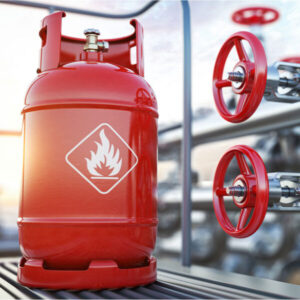
Highly Flammable – Requires careful handling to prevent leaks and explosions.
Non-Toxic – Does not poison but can displace oxygen in confined spaces.
Easily Liquefiable – Stored as a liquid but used as a gas.
Clean Burning – Produces fewer pollutants than diesel or coal.
Properties and Characteristics of LPG
Understanding the key properties of LPG helps in its safe and efficient utilization:
High Energy Content – LPG has a high calorific value (~46.1 MJ/kg for propane, ~45.8 MJ/kg for butane), making it an efficient fuel source.
Low Boiling Point – It vaporizes at relatively low temperatures (-42°C for propane, -0.5°C for butane), allowing easy conversion from liquid to gas.
Odorless and Colorless – Pure LPG has no smell, but an odorant (like ethanethiol) is added for leak detection.
Non-Toxic – While not poisonous, LPG can displace oxygen in confined spaces, posing an asphyxiation risk.
Heavier than Air – In gaseous form, LPG settles near the ground, increasing the risk of fire if leaked in enclosed areas.
What is liquefied petroleum gas - Applications of LPG
what is LPG fuel? Due to its versatility, liquefied petroleum gas LPG is used across multiple sectors:
1. Domestic Use
Cooking – LPG is a preferred fuel for household stoves due to its instant heat and clean combustion.
Heating – Used in space heaters, water heaters, and central heating systems.
Refrigeration – Some absorption refrigerators use LPG as an energy source.
2. Industrial Use
Manufacturing Processes – Used in metal cutting, soldering, and as a feedstock in petrochemical industries.
Forklifts & Machinery – LPG-powered forklifts are common in warehouses due to low emissions.
Agricultural Applications – Powers grain dryers, greenhouse heaters, and pest control equipment.
3. Automotive Fuel (Autogas)
LPG is an alternative fuel for vehicles, reducing emissions compared to petrol and diesel.
It is cost-effective and widely used in taxis, buses, and fleet vehicles in many countries.
4. Other Uses
Aerosol Propellant – Found in deodorants, hairsprays, and spray paints.
Recreational Use – Powers camping stoves, outdoor grills, and portable heaters.
Advantages of LPG
✅ High Energy Efficiency – More calorific value than natural gas.
✅ Portable & Storable – No need for pipelines; ideal for rural areas.
✅ Clean Combustion – Lower CO₂, SO₂, and particulate emissions.
✅ Versatile – Used in cooking, heating, vehicles, and industries.
✅ Cost-Effective – Often cheaper than electricity or diesel.
Disadvantages of LPG
❌ Flammability Risk – Leaks can cause explosions if not detected.
❌ Storage Pressure – Requires strong cylinders and safety valves.
❌ Fossil Fuel Dependency – Not renewable (unless bio-LPG is used).
❌ Temperature Sensitivity – Butane struggles in cold climates.
LPG vs. Other Fuels (Comparison Table)
| Feature | LPG | Natural Gas (CNG) | Diesel | Electricity |
|---|---|---|---|---|
| Energy Efficiency | High (46 MJ/kg) | Moderate (38 MJ/kg) | High (45 MJ/kg) | Variable |
| Emissions | Low CO₂, No SO₂ | Lowest CO₂ | High CO₂, SO₂ | Depends on source |
| Storage | Pressurized Cylinders | Pipelines/Compressed | Liquid Tanks | Batteries/Grid |
| Cost | Moderate | Cheap (if piped) | Expensive | High (in some regions) |
| Portability | High | Low (needs pipeline) | Medium | Limited |
| Safety Risks | Flammable | Low risk | Combustible | Electric shocks |
Safety Measures for Handling LPG
1. Storage & Installation
Store cylinders upright in well-ventilated areas.
Keep away from heat sources and direct sunlight.
Use certified regulators and leak-proof hoses.
2. Leak Detection & Prevention
Smell Test – LPG has a strong odorant (like rotten eggs).
Soap Solution Test – Apply to joints; bubbles indicate leaks.
Never Use Open Flames – Use gas detectors instead.
3. Emergency Protocols
Turn off the regulator and ventilate the area if a leak is detected.
Do not operate electrical switches near a suspected leak.
Keep a fire extinguisher (CO₂ or dry powder) nearby.
Environmental Impact of LPG
Positive Aspects
✔ Lower Carbon Footprint – 20% less CO₂ than petrol.
✔ Reduces Deforestation – Replaces firewood in rural cooking.
✔ Cleaner Air – Minimal sulfur and particulate emissions.
Negative Aspects
✖ Still a Fossil Fuel – Contributes to greenhouse gases.
✖ Non-Renewable (Unless Bio-LPG) – Requires sustainable alternatives.
The Rise of Bio-LPG
Made from renewable sources (plant oils, animal fats).
Reduces dependency on fossil fuels.
Gradually being adopted in Europe and North America.
Future of LPG: Trends & Innovations
1. Bio-LPG & Renewable Alternatives
Companies like Neste and Renewable Energy Group produce bio-LPG.
Government incentives promote its adoption.
2. Smart Gas Monitoring Systems
IoT-enabled sensors detect leaks in real-time.
Smart meters track consumption for efficiency.
3. Hybrid Energy Systems
LPG-solar hybrid setups for off-grid power.
Combined heat and power (CHP) systems for industries.
4. Government Policies & Global Adoption
India’s Ujjwala Scheme provides free LPG connections to rural households.
The EU promotes LPG as a transition fuel towards net-zero emissions.
Final Thoughts
Liquefied Petroleum Gas (LPG) remains one of the most efficient, versatile, and cleaner-burning fuels available today. Its applications span domestic, industrial, automotive, and agricultural sectors, offering a reliable energy solution where pipelines are unavailable.
While it has some safety and environmental challenges, advancements like bio-LPG, smart monitoring, and hybrid systems are making it more sustainable. When compared to diesel, petrol, and even electricity, LPG often emerges as a cost-effective and eco-friendlier choice.
As the world shifts towards renewable energy, LPG continues to play a pivotal role in the energy transition, ensuring energy security while reducing environmental harm.
FAQs
LPG (Liquefied Petroleum Gas) is a flammable hydrocarbon gas mixture, primarily composed of propane (C₃H₈) and butane (C₄H₁₀). It is stored under pressure as a liquid and used as fuel for cooking, heating, vehicles, and industrial applications.
Domestic: Cooking, water heating, space heating
Industrial: Metal cutting, forklifts, chemical production
Automotive: Autogas for cars, buses, and taxis
Agricultural: Crop drying, pest control
Yes, but with precautions:
Store cylinders upright in ventilated areas
Check for leaks using soapy water (never a flame)
Install gas detectors for early warning
| Property | Propane | Butane |
|---|---|---|
| Boiling Point | -42°C (works in cold) | -0.5°C (fails in cold) |
| Energy Output | Higher (46.1 MJ/kg) | Slightly lower (45.8 MJ/kg) |
| Common Uses | Heating, autogas | Lighters, portable stoves |
Yes! Autogas (LPG-powered vehicles) offers:
Lower fuel costs than petrol/diesel
Reduced CO₂ emissions
Requires a conversion kit for petrol engines0

Radiator Stop Leak UAE: Quick Fix for Vehicle Cooling System Leaks
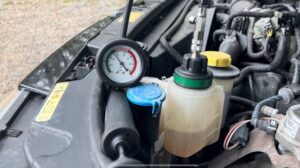
Radiator Stop Leak UAE: Quick Fix for Vehicle Cooling System Leaks Discover More Introduction: The Unforgiving UAE Climate and Your Vehicle’s Lifeline The United Arab Emirates’ automotive landscape is defined by extremes. Ambient temperatures that regularly surpass 45°C (113°F), coupled with intense urban congestion and long, high-speed desert drives, create a perfect storm of thermal stress for every vehicle. In this environment, your engine cooling system is not merely a subsystem; it is the single most critical component preventing catastrophic engine failure.
What Type of Transmission Oil in UAE Does My Car Need? Your Complete Guide
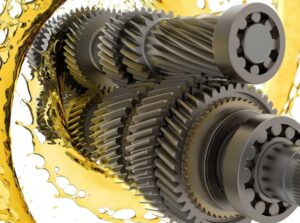
What Type of Transmission Oil in UAE Does My Car Need? Your Complete Guide Discover More Navigating the vast, sun-baked highways of the United Arab Emirates—from the dynamic urban sprawls of Dubai and Abu Dhabi to the majestic desert dunes and the tranquil mountain passes of the Hajar range—places extraordinary mechanical and thermal stress on every component of your vehicle. While conscientious drivers often prioritize engine oil changes, the vital lifeblood safeguarding the transmission, the complex heart of your car’s
Guide to UAE Turbine Oil Selection Application & Management for Industrial Facilities
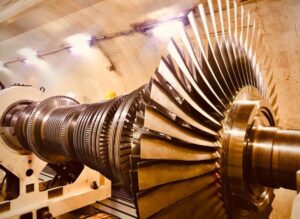
Guide to UAE Turbine Oil Selection, Application, and Management for Industrial Facilities Discover More In the hyper-competitive industrial landscape of the United Arab Emirates, where operational excellence directly translates to economic advantage, turbine lubrication represents a critical nexus of reliability engineering and strategic asset management. This comprehensive guide, developed with technical insights from Rumanza Lubricants, provides an unprecedented deep dive into the science, selection criteria, and life-cycle management of turbine oils specifically engineered for the extreme operating conditions of the
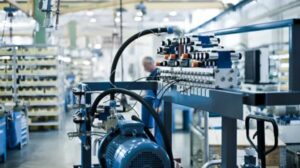
Synthetic vs. Mineral Hydraulic Oil in UAE : Which is Best for Your Operation?
Synthetic vs. Mineral Hydraulic Oil in UAE : Which is Best for Your Operation? Discover More Across the dynamic landscape of the United Arab Emirates—from the megaprojects of Dubai Marina to the intricate conveyor systems of Jebel Ali Port, from the massive hydraulic shovels in Al Dhafra quarries to the precision automated lines in Abu Dhabi’s industrial cities—the silent, powerful force of hydraulics is indispensable. These systems convert fluid power into monumental force and precise motion. At the core of
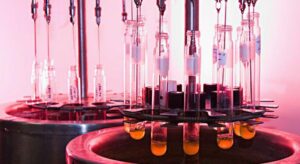
What is a Pour Point Depressant? | Benefits, Uses & How It Works Mechanism
What is a Pour Point Depressant? | Benefits, Uses & How It Works Mechanism Discover More In the intricate world of lubricant formulation, few additives play as critical yet understated a role in cold-weather operability as Pour Point Depressants (PPDs). These specialized chemical compounds are the linchpin that prevents machinery from seizing up when temperatures plummet. This in-depth guide goes beyond the basics, exploring the sophisticated chemistry, detailed mechanism, nuanced benefits, and practical considerations of PPDs. We will also examine the
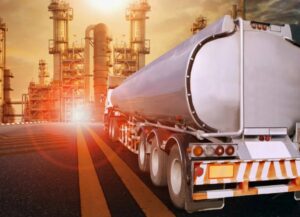
Guide to Gasoline Engine Oils for UAE’s Extreme Climate: Engineering Peak Performance
Gasoline Engine Oils for UAE’s Extreme Climate: Engineering Peak Performance Discover More In the heart of the Arabian Peninsula, the United Arab Emirates stands as a testament to human ambition, with its engineering marvels and endless highways. Yet, this environment of soaring achievement is also one of the most punishing on Earth for machinery. For your vehicle—whether a nimble city sedan, a powerful family SUV, or a high-performance sports car—the UAE’s climate is a relentless adversary. The choice of engine
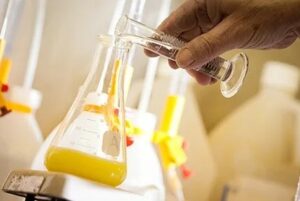
What are Polyol Ester Oils & Lubricants – Properties & Applications
What are Polyol Ester Oils & Lubricants – Properties & Applications Discover More In the intricate world of industrial machinery, automotive engines, and advanced refrigeration systems, the choice of lubricant is not merely a maintenance task—it’s a critical engineering decision. While conventional mineral oils have served us for over a century, the demands of modern technology require fluids that can perform under extreme pressure, temperature, and environmental stress. This is where synthetic lubricants, specifically Polyol Ester oils, come to the forefront.
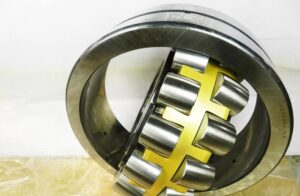
Guide to Choosing the Right Lithium Complex Grease in UAE
Guide to Choosing the Right Lithium Complex Grease in UAE for Unbeatable Performance Discover More In the heart of a region defined by its ambition and extreme climate, the machinery that builds and powers the UAE operates under immense pressure. From the towering cranes sculpting Dubai’s skyline to the massive haul trucks in Abu Dhabi’s industrial zones and the relentless conveyor systems in Jebel Ali Port, every moving part is a critical link in the chain of progress. Protecting these
Lithium Grease UAE – Buy Multi-Purpose Lubricant Grease
Lithium Grease UAE – Buy Multi-Purpose Lubricant Grease Discover More In the relentless engine of the United Arab Emirates’ economy—where monumental construction, non-stop logistics, and a climate of extreme heat and abrasive sand are the norm—the battle against friction and corrosion is perpetual. The integrity of a construction crane’s slewing ring, the smooth operation of a delivery fleet’s wheel bearings, and the silent efficiency of a hotel’s HVAC system all hinge on a single, critical decision: the choice of lubricant.