What is Anti-Freeze Coolant? Types, Colors & How to Use

Anti-freeze coolant, also known as engine coolant or radiator coolant types, is a specially formulated liquid that regulates engine temperature, prevents overheating in summer, and protects against freezing in winter. It is a mixture of water and engine coolant types, ethylene glycol or propylene glycol, and chemical additives that enhance engine efficiency and longevity.

Without proper coolant, engines can suffer from:

  • Overheating (leading to warped cylinder heads or blown gaskets)

  • Freezing (causing cracked engine blocks in cold climates)

  • Corrosion (damaging radiators, water pumps, and hoses)

This guide will explore types of antifreeze, colors, usage, pros and cons, and comparisons to help you make an informed choice.

How Anti-Freeze Coolant Works

The cooling system in a car coolant types operates by circulating coolant through:

  • Engine block (absorbs heat from combustion)

  • Radiator (dissipates heat into the air)

  • Water pump (maintains coolant flow)

  • Thermostat (regulates coolant temperature)

Key Functions of Coolant:

✔ Heat Transfer – Absorbs and dissipates engine heat.
✔ Freeze Protection – Lowers freezing point to -34°F (-37°C) when mixed correctly.
✔ Boil Protection – Raises boiling point to 265°F (129°C) or higher.
✔ Corrosion Inhibition – Protects metal and rubber parts from rust and degradation.
✔ Lubrication – Keeps water pump seals functioning smoothly.

Key Components of Engine Coolant

ComponentPurpose
Ethylene GlycolPrimary antifreeze agent (toxic but highly effective).
Propylene GlycolLess toxic alternative (used in eco-friendly coolants).
Distilled WaterHelps in heat transfer; prevents mineral deposits.
Corrosion InhibitorsProtects metals (aluminum, copper, steel) from rust.
Anti-Foaming AgentsPrevents air bubbles that reduce cooling efficiency.
DyesHelps identify coolant type and leaks.

Types of Anti-Freeze Coolants

A. Inorganic Acid Technology (IAT) Coolant

  • Used in: Older vehicles (pre-2000).

  • Color: Green (sometimes yellow or blue).

  • Additives: Silicates & phosphates.

  • Lifespan: 2 years or 30,000 miles.

✅ Pros:
✔ Good for older engines.
✔ Affordable and widely available.

❌ Cons:
✖ Short lifespan (requires frequent changes).
✖ Silicates can clog cooling systems over time.

B. Organic Acid Technology (OAT) Coolant

  • Used in: Modern GM, VW, and some Asian cars.

  • Color: Orange, red, or pink.

  • Additives: Organic acids (no silicates or phosphates).

  • Lifespan: 5 years or 150,000 miles.

✅ Pros:
✔ Long-lasting protection.
✔ Better for aluminum engines.

❌ Cons:
✖ Not compatible with older vehicles.
✖ Can be more expensive.

C. Hybrid Organic Acid Technology (HOAT) Coolant

  • Used in: Ford, Chrysler, European models.

  • Color: Yellow, turquoise, or purple.

  • Additives: Mix of silicates & organic acids.

  • Lifespan: 5 years or 100,000 miles.

✅ Pros:
✔ Works with multiple engine types.
✔ Extended service life.

❌ Cons:
✖ Not universal; some brands require specific formulations.

D. Phosphate-Free & Nitrite-Free Coolants

  • Used in: Japanese & European cars (Toyota, Honda, BMW).

  • Color: Blue or red.

  • Additives: Low-silicate formula.

  • Lifespan: 5+ years.

✅ Pros:
✔ Prevents scaling in aluminum engines.
✔ Environmentally friendly.

❌ Cons:
✖ Not suitable for all vehicles.

Coolant Colors & Their Significance

ColorCoolant TypeCommon Use
GreenIATOlder vehicles (pre-2000).
Orange/RedOATGM, VW, some Asian cars.
Yellow/TurquoiseHOATFord, Chrysler, European.
BluePhosphate-FreeToyota, Honda, Nissan.
Pink/PurpleExtended-Life OATEuropean luxury cars.

Note: Always check your vehicle antifreeze types manual—color alone is not a reliable indicator.

How to Use Anti-Freeze Coolant Properly

Step-by-Step Guide:

  1. Check Coolant Level (when engine is cool).

  2. Drain Old Coolant (dispose of it safely).

  3. Flush System (if contaminated).

  4. Mix Coolant & Distilled Water (50:50 ratio unless pre-mixed).

  5. Refill Coolant (avoid air pockets).

  6. Bleed Air from System (run engine with radiator cap off).

  7. Check for Leaks & Test Drive.

Pros and Cons of Different Coolant Types

TypeProsCons
IATCheap, good for old enginesShort lifespan, silicates clog systems
OATLong-lasting, great for aluminumNot for older cars, expensive
HOATBalanced protection, extended lifeBrand-specific, not universal
Phosphate-FreeEco-friendly, prevents depositsLimited compatibility

Comparison Table of Coolant Types

FeatureIATOATHOATPhosphate-Free
ColorGreenOrange/RedYellow/TurquoiseBlue
Lifespan2 years5 years5 years5+ years
AdditivesSilicatesOrganic AcidsHybridLow Silicate
Best ForOld carsModern GM/VWFord/EuropeanJapanese/Euro
Cost$$$$$$$

Choosing the Right Coolant for Your Vehicle

  • Check your owner’s manual for OEM recommendations.

  • Consider climate (colder regions need stronger freeze protection).

  • Avoid mixing coolants (can cause gel formation).

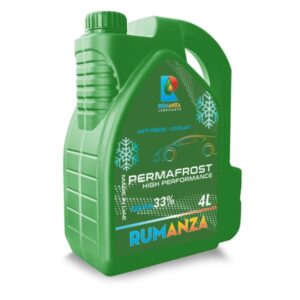
  • Look for certified brands (like Rumanza Anti-Freeze Coolant).a

Common Mistakes to Avoid

❌ Using tap water (causes mineral buildup).
❌ Mixing incompatible coolants (leads to sludge).
❌ Overlooking coolant replacement intervals.
❌ Ignoring leaks (can cause engine failure).

Why Choose Rumanza Anti-Freeze Coolant?

✔ Advanced corrosion protection for all engine types.
✔ Extended lifespan (up to 5 years).
✔ Pre-mixed formula (no dilution needed).
✔ Compatible with most vehicles (IAT, OAT, HOAT).

For optimal engine cooling and longevity for choose antifreeze coolant types, trust Rumanza  Anti-Freeze Coolant—the smart choice for modern and classic vehicles alike.

Final Thoughts

Understanding anti-freeze coolant types, colors, and proper usage is crucial for engine health. Whether you own an older car or a modern vehicle, selecting the right coolant ensures:
✅ Efficient heat dissipation
✅ Long-term corrosion resistance
✅ Reliable cold-weather performance

By following this guide and choosing Rumanza antifreeze coolant, you can extend engine life, prevent costly repairs, and maintain peak performance year-round.

FAQs

Anti-freeze coolant regulates engine temperature by preventing overheating in summer and freezing in winter. It also protects against corrosion, lubricates the water pump, and extends the lifespan of the cooling system.

No, mixing different coolant types (e.g., green IAT with orange OAT) can cause chemical reactions, sludge formation, and reduced cooling efficiency. Always use the coolant recommended in your vehicle’s manual.

  • IAT (Green): Every 2 years or 30,000 miles.

  • OAT/HOAT (Orange/Yellow): Every 5 years or 100,000–150,000 miles.

  • Phosphate-Free (Blue/Red): Every 5+ years.

Using the wrong coolant can lead to:
✔ Corrosion in aluminum/copper parts.
✔ Clogged radiator from silicate drop-out (in older IAT coolants).
✔ Reduced heat transfer, causing engine overheating.

Yes, but only temporarily. Water lacks anti-freeze, anti-boil, and anti-corrosion properties, so prolonged use can damage the engine. Replace it with proper coolant as soon as possible.

Gasoline Engine Oils for UAE

Guide to Gasoline Engine Oils for UAE’s Extreme Climate: Engineering Peak Performance

Gasoline Engine Oils for UAE’s Extreme Climate: Engineering Peak Performance Discover More In the heart of the Arabian Peninsula, the United Arab Emirates stands as a testament to human ambition, with its engineering marvels and endless highways. Yet, this environment of soaring achievement is also one of the most punishing on Earth for machinery. For your vehicle—whether a nimble city sedan, a powerful family SUV, or a high-performance sports car—the UAE’s climate is a relentless adversary. The choice of engine

Read More »

What are Polyol Ester Oils & Lubricants – Properties & Applications

What are Polyol Ester Oils & Lubricants – Properties & Applications Discover More In the intricate world of industrial machinery, automotive engines, and advanced refrigeration systems, the choice of lubricant is not merely a maintenance task—it’s a critical engineering decision. While conventional mineral oils have served us for over a century, the demands of modern technology require fluids that can perform under extreme pressure, temperature, and environmental stress. This is where synthetic lubricants, specifically Polyol Ester oils, come to the forefront.

Read More »
Lithium Complex Grease UAE

Guide to Choosing the Right Lithium Complex Grease in UAE

Guide to Choosing the Right Lithium Complex Grease in UAE for Unbeatable Performance Discover More In the heart of a region defined by its ambition and extreme climate, the machinery that builds and powers the UAE operates under immense pressure. From the towering cranes sculpting Dubai’s skyline to the massive haul trucks in Abu Dhabi’s industrial zones and the relentless conveyor systems in Jebel Ali Port, every moving part is a critical link in the chain of progress. Protecting these

Read More »
Lithium Grease UAE

Lithium Grease UAE – Buy Multi-Purpose Lubricant Grease

Lithium Grease UAE – Buy Multi-Purpose Lubricant Grease Discover More In the relentless engine of the United Arab Emirates’ economy—where monumental construction, non-stop logistics, and a climate of extreme heat and abrasive sand are the norm—the battle against friction and corrosion is perpetual. The integrity of a construction crane’s slewing ring, the smooth operation of a delivery fleet’s wheel bearings, and the silent efficiency of a hotel’s HVAC system all hinge on a single, critical decision: the choice of lubricant.

Read More »
Best CNG Engine Oil in UAE for Cars

Best CNG Engine Oil in UAE for Cars – Protect Your CNG Engine

Best CNG Engine Oil in UAE for Cars – Protect Your CNG Engine Discover More The automotive landscape in the UAE is undergoing a quiet revolution. As fuel prices fluctuate and environmental consciousness grows, more and more drivers are making the intelligent switch to Compressed Natural Gas (CNG). CNG-powered cars offer significant cost savings on fuel and produce fewer emissions, making them an economically and ecologically sound choice. However, this transition comes with a critical responsibility: understanding that a CNG

Read More »
Calcium Sulphonate Grease UAE

Calcium Sulphonate Grease UAE | High-Temperature Grease

Calcium Sulphonate Grease UAE | High-Temperature Grease Discover More Introduction: The Unforgiving Demands of UAE Industry The United Arab Emirates stands as a global titan of industry and infrastructure. From the sprawling metallurgical plants in Mussafah and the massive port operations of Jebel Ali to the relentless pace of construction shaping Dubai’s skyline and the vast logistics hubs of Al Ain, the machinery that powers this nation operates under extreme duress. Soaring ambient temperatures that regularly exceed 45°C, pervasive dust

Read More »
rubber process oil

What is Rubber Process Oil? | Guide to Applications, Benefits, and Selection

What is Rubber Process Oil? | Guide to Applications, Benefits, and Selection Discover More In the sophisticated ecosystem of rubber manufacturing, raw polymers are the canvas, but rubber process oil is the essential medium that brings the masterpiece to life. It is the critical component that transforms rigid, unworkable raw materials into the versatile, durable, and high-performance rubber products that define modern industry and daily convenience. For specialists dedicated to chemical innovation and precision, such as the team at Rumanza Lubricants, the science

Read More »
UAE Lubricants manufacturers

Which UAE Lubricants manufacturers is Best for High-Mileage Engines?

Which UAE Lubricants manufacturers is Best for High-Mileage Engines? Discover More The sprawling deserts and bustling metropolises of the United Arab Emirates present a uniquely demanding environment for vehicles, pushing engine lubrication technology to its absolute limits. From the scorching summer heat that can cause conventional oils to thin out and lose protective properties, to the endless stop-start traffic of cities like Dubai and Abu Dhabi that promotes sludge and acidic buildup, our cars endure a severe service regimen unlike

Read More »