
Does Your Diesel Engine Need a Special Oil? (The Truth Revealed)

When it comes to maintaining a diesel engine, one of the most critical decisions you’ll make is choosing the right oil. Diesel engines operate under extreme conditions—high compression, intense heat, and heavy loads—which means they require a lubricant that can withstand these challenges. But does your diesel engine really need a special oil, or can you use any high-quality motor oil?

In this comprehensive guide, we’ll uncover the truth about diesel engine oils, their unique requirements, and why selecting the right one can significantly impact your engine’s performance, longevity, and efficiency.

Why Diesel Engines Are Different from Gasoline Engines

Before diving into oil specifics, it’s essential to understand why diesel engines have different lubrication needs compared to gasoline engines:

  1. Higher Compression Ratios – Diesel engines compress air at much higher ratios (typically 15:1 to 20:1, compared to 8:1 to 12:1 in gasoline engines). This creates more heat and stress on engine components.

  2. Soot and Contaminants – Diesel combustion produces more soot and acidic byproducts, which can contaminate the oil faster.

  3. Turbocharger Stress – Many diesel engines are turbocharged, exposing the oil to extreme temperatures and requiring superior thermal stability.

  4. Heavier Loads – Diesel engines often power trucks, heavy machinery, and towing vehicles, meaning they endure more strain than typical gasoline engines.

Because of these factors, diesel engines do require specially formulated oils to ensure optimal protection and performance.

What Makes Diesel Engine Oil "Special"?

Not all motor oils are created equal. Diesel engine oils are engineered with specific additives and properties to handle the harsh conditions these engines face. Here’s what sets them apart:

1. Higher Detergent and Dispersant Levels

Diesel oils contain more detergents to prevent sludge and deposits from soot buildup. Dispersants help keep contaminants suspended in the oil until the next oil change.

2. Enhanced Anti-Wear Additives

Components like piston rings, bearings, and turbochargers experience extreme friction. Diesel oils include zinc (ZDDP) and other anti-wear agents to protect metal surfaces.

3. Better Thermal and Oxidation Stability

Since diesel engines run hotter, the oil must resist thermal breakdown and oxidation, which can lead to viscosity loss and sludge formation.

4. Higher TBN (Total Base Number)

Diesel fuels contain sulfur, which creates acidic byproducts. A higher TBN helps neutralize these acids, preventing corrosion and extending oil life.

5. Proper Viscosity for Cold and Hot Conditions

Diesel oils come in multi-grade viscosities (e.g., 15W-40, 10W-30) to ensure smooth cold starts and reliable high-temperature protection.

Can You Use Regular Gasoline Engine Oil in a Diesel?

Some drivers wonder if they can save money by using conventional gasoline engine oil in their diesel engines. The short answer? No. Here’s why:

  • Insufficient Additives – Gasoline oils lack the necessary detergents and dispersants to handle diesel soot.

  • Lower TBN – They can’t neutralize acids effectively, leading to faster oil degradation.

  • Weaker Wear Protection – Diesel engines need stronger anti-wear additives to prevent component damage.

Using the wrong oil can lead to:
✔ Increased engine wear
✔ Sludge buildup
✔ Turbocharger failure
✔ Reduced fuel efficiency

Exception: Some modern synthetic oils are labeled as “Dual-Rated” (e.g., API CK-4/SN) and can be used in both diesel and gasoline engines. Always check your owner’s manual before making a switch.

Choosing the Best Diesel Engine Oil: Key Factors

Not all diesel oils are the same. Here’s what to look for when selecting the right one:

1. API Certification

The American Petroleum Institute (API) sets standards for diesel oils. Look for:

  • CK-4 (Latest standard for high-speed diesel engines)

  • CJ-4, CI-4 (Older but still effective for many engines)

2. Synthetic vs. Conventional

  • Conventional Oil – Cheaper but requires more frequent changes.

  • Full Synthetic Oil – Offers superior protection, longer drain intervals, and better performance in extreme temperatures.

3. Viscosity Grade

  • 15W-40 – Common for most diesel engines, good for moderate climates.

  • 10W-30 – Better for cold weather starts.

  • 5W-40 – Ideal for extreme cold and high-performance engines.

4. OEM Recommendations

Always follow your manufacturer’s guidelines. Some brands (like Cummins, Duramax, or Power Stroke) may recommend specific oil formulations.

The Benefits of Using Premium Diesel Engine Oil

Investing in a high-quality diesel-specific oil pays off in the long run:

✅ Extended Engine Life – Reduces wear on critical components.
✅ Improved Fuel Economy – Reduces friction for better efficiency.
✅ Lower Maintenance Costs – Fewer deposits mean cleaner engines and fewer repairs.
✅ Better Cold-Start Performance – Flows easily in freezing temperatures.
✅ Enhanced Turbocharger Protection – Prevents coking and deposits in turbo systems.

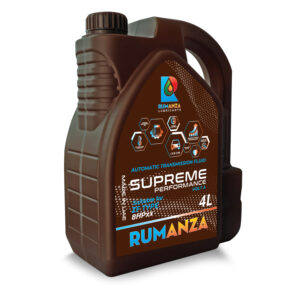
Rumanza Diesel Engine Oil: The Ultimate Choice for Your Engine

When it comes to superior protection and performance, Rumanza Diesel Engine Oil stands out as a top-tier choice. Formulated with advanced additives and synthetic technology, it delivers:

✔ Exceptional wear protection for high-stress diesel engines.
✔ Superior thermal stability to prevent oil breakdown.
✔ Enhanced detergency to keep engines clean.
✔ Optimal viscosity performance in all weather conditions.

Whether you drive a heavy-duty truck, agricultural machinery, or a diesel-powered SUV, Rumanza Diesel Engine Oil ensures your engine runs smoothly and efficiently for years to come.

Final Verdict: Yes, Your Diesel Engine Needs Special Oil

Diesel engines are built tough, but they demand the right lubrication to perform at their best. Using a dedicated diesel engine oil—like Rumanza Diesel Engine Oil—ensures maximum protection, efficiency, and longevity.

Don’t compromise on quality. Your engine deserves the best, so choose an oil specifically designed for diesel power.

FAQs

Synthetic diesel oil offers better thermal stability, longer drain intervals, and superior protection in extreme temperatures compared to conventional oil. Conventional oil is cheaper but requires more frequent changes.

It depends on the oil type and driving conditions:

  • Conventional oil: Every 3,000–5,000 miles

  • Synthetic oil: Every 7,500–15,000 miles
    Always follow your vehicle manufacturer’s recommendations.

CK-4 is the latest API (American Petroleum Institute) standard for diesel engine oils. It provides better oxidation resistance, shear stability, and protection against wear compared to older standards like CJ-4.

Viscosity determines how well the oil flows in different temperatures. Common grades like 15W-40 work well in moderate climates, while 5W-40 is better for extreme cold. Using the wrong viscosity can lead to poor lubrication.

Yes, turbocharged engines generate extreme heat, requiring oil with high thermal stability and anti-coking additives to prevent turbocharger damage.

Gasoline Engine Oils for UAE

Guide to Gasoline Engine Oils for UAE’s Extreme Climate: Engineering Peak Performance

Gasoline Engine Oils for UAE’s Extreme Climate: Engineering Peak Performance Discover More In the heart of the Arabian Peninsula, the United Arab Emirates stands as a testament to human ambition, with its engineering marvels and endless highways. Yet, this environment of soaring achievement is also one of the most punishing on Earth for machinery. For your vehicle—whether a nimble city sedan, a powerful family SUV, or a high-performance sports car—the UAE’s climate is a relentless adversary. The choice of engine

Read More »

What are Polyol Ester Oils & Lubricants – Properties & Applications

What are Polyol Ester Oils & Lubricants – Properties & Applications Discover More In the intricate world of industrial machinery, automotive engines, and advanced refrigeration systems, the choice of lubricant is not merely a maintenance task—it’s a critical engineering decision. While conventional mineral oils have served us for over a century, the demands of modern technology require fluids that can perform under extreme pressure, temperature, and environmental stress. This is where synthetic lubricants, specifically Polyol Ester oils, come to the forefront.

Read More »
Lithium Complex Grease UAE

Guide to Choosing the Right Lithium Complex Grease in UAE

Guide to Choosing the Right Lithium Complex Grease in UAE for Unbeatable Performance Discover More In the heart of a region defined by its ambition and extreme climate, the machinery that builds and powers the UAE operates under immense pressure. From the towering cranes sculpting Dubai’s skyline to the massive haul trucks in Abu Dhabi’s industrial zones and the relentless conveyor systems in Jebel Ali Port, every moving part is a critical link in the chain of progress. Protecting these

Read More »
Lithium Grease UAE

Lithium Grease UAE – Buy Multi-Purpose Lubricant Grease

Lithium Grease UAE – Buy Multi-Purpose Lubricant Grease Discover More In the relentless engine of the United Arab Emirates’ economy—where monumental construction, non-stop logistics, and a climate of extreme heat and abrasive sand are the norm—the battle against friction and corrosion is perpetual. The integrity of a construction crane’s slewing ring, the smooth operation of a delivery fleet’s wheel bearings, and the silent efficiency of a hotel’s HVAC system all hinge on a single, critical decision: the choice of lubricant.

Read More »
Best CNG Engine Oil in UAE for Cars

Best CNG Engine Oil in UAE for Cars – Protect Your CNG Engine

Best CNG Engine Oil in UAE for Cars – Protect Your CNG Engine Discover More The automotive landscape in the UAE is undergoing a quiet revolution. As fuel prices fluctuate and environmental consciousness grows, more and more drivers are making the intelligent switch to Compressed Natural Gas (CNG). CNG-powered cars offer significant cost savings on fuel and produce fewer emissions, making them an economically and ecologically sound choice. However, this transition comes with a critical responsibility: understanding that a CNG

Read More »
Calcium Sulphonate Grease UAE

Calcium Sulphonate Grease UAE | High-Temperature Grease

Calcium Sulphonate Grease UAE | High-Temperature Grease Discover More Introduction: The Unforgiving Demands of UAE Industry The United Arab Emirates stands as a global titan of industry and infrastructure. From the sprawling metallurgical plants in Mussafah and the massive port operations of Jebel Ali to the relentless pace of construction shaping Dubai’s skyline and the vast logistics hubs of Al Ain, the machinery that powers this nation operates under extreme duress. Soaring ambient temperatures that regularly exceed 45°C, pervasive dust

Read More »
rubber process oil

What is Rubber Process Oil? | Guide to Applications, Benefits, and Selection

What is Rubber Process Oil? | Guide to Applications, Benefits, and Selection Discover More In the sophisticated ecosystem of rubber manufacturing, raw polymers are the canvas, but rubber process oil is the essential medium that brings the masterpiece to life. It is the critical component that transforms rigid, unworkable raw materials into the versatile, durable, and high-performance rubber products that define modern industry and daily convenience. For specialists dedicated to chemical innovation and precision, such as the team at Rumanza Lubricants, the science

Read More »