What is Rubber Process Oil? | Guide to Applications, Benefits, and Selection
In the sophisticated ecosystem of rubber manufacturing, raw polymers are the canvas, but rubber process oil is the essential medium that brings the masterpiece to life. It is the critical component that transforms rigid, unworkable raw materials into the versatile, durable, and high-performance rubber products that define modern industry and daily convenience. For specialists dedicated to chemical innovation and precision, such as the team at Rumanza Lubricants, the science of process oil is a cornerstone of their operational expertise and product development strategy.
This definitive guide moves beyond a basic definition to explore the intricate role of rubber process oil. We will dissect its chemical nature, present a clear comparative analysis of its types, and provide a balanced view of its advantages and challenges, empowering you with the knowledge to make informed decisions for your manufacturing needs.
Fundamental Role of Rubber Process Oil in Manufacturing
This uniformity is non-negotiable for producing rubber goods with consistent quality, performance, and longevity. The expertise of a specialized lubricant provider is crucial here, as the quality of the oil directly impacts the efficiency of the entire production line. Companies like Rumanza Lubricants focus on delivering oils that ensure optimal processability from the very first mixing stage.
Unpacking the Science: What Exactly is Rubber Process Oil?
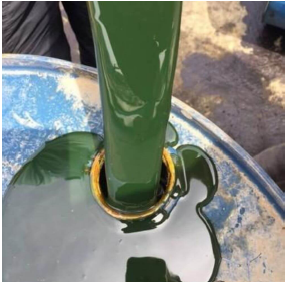
Rubber process oil is a specialized hydrocarbon additive, derived primarily from petroleum refining or synthesized to meet specific criteria, used in the compounding of both natural and synthetic rubber. Its fundamental purpose is to act as a plasticizer and processing aid. Imagine a batch of raw synthetic rubber as a dense, chaotic thicket of long polymer chains. In this native state, these chains are tightly packed, resulting in high viscosity, poor flow characteristics, and significant energy requirements for processing.
The introduction of rubber process oil changes this dynamic entirely. It functions as an internal lubricant, permeating the polymer matrix and creating space between the molecular chains. This action, known as plasticization, reduces intermolecular friction, yielding a compound that is softer, more pliable, and far easier to manipulate during industrial processes. The strategic use of these oils is a hallmark of advanced formulation work conducted by lubricant specialists, including the engineers at Rumanza Lubricants, who understand that the right oil is key to unlocking a compound’s full potential.
A Detailed Look at the Three Primary Types of Rubber Process Oils
The selection of a process oil is not a one-size-fits-all decision; it is a precise choice dictated by the base polymer and the desired properties of the final vulcanized product. The classification is primarily based on the oil’s chemical composition, characterized by the concentration of Aromatic, Paraffinic, and Naphthenic hydrocarbon structures.
1. Aromatic Process Oils
These oils are distinguished by their high content of unsaturated aromatic rings, which gives them a dark color and a pronounced odor. They exhibit excellent solvating power for general-purpose rubbers like SBR and natural rubber, thanks to their low aniline point. This strong compatibility makes them highly effective for achieving superior carbon black dispersion, which directly translates to enhanced tensile strength, tear resistance, and abrasion properties in the final product.
2. Paraffinic Process Oils
Characterized by a high content of straight- or branched-chain paraffinic molecules, these oils have a high aniline point, indicating lower compatibility with some highly unsaturated rubbers. However, they offer a distinct set of advantages centered on stability. They provide outstanding resistance to oxidation and thermal degradation, lower volatility, and excellent UV resistance, which helps in color retention. This makes them ideal for applications demanding long-term durability under harsh environmental stress.
3. Naphthenic Process Oils
Sitting in a balanced position between aromatics and paraffinics, naphthenic oils contain a high proportion of saturated cyclic hydrocarbons. This structure grants them a unique combination of good solvating power and excellent low-temperature performance. They are renowned for imparting superior flexibility and cold-resistance to rubber compounds, preventing brittleness in freezing conditions.
The following comparison table provides a clear, at-a-glance overview of these critical differences:
| Feature | Aromatic Process Oils | Paraffinic Process Oils | Naphthenic Process Oils |
|---|---|---|---|
| Chemical Structure | High unsaturated aromatic rings | High straight/branched paraffinic chains | High saturated cyclic naphthenes |
| Aniline Point | Low | High | Intermediate |
| Color & Odor | Dark, strong odor | Lighter, mild odor | Light to dark, mild odor |
| Key Strength | Excellent compatibility & tensile strength | Superior thermal & UV stability | Excellent low-temperature flexibility |
| Compatibility | Excellent with SBR, NR | Good with EPDM, IIR, SAT | Good with many general-purpose rubbers |
| Primary Applications | Tire treads, conveyor belts, industrial products requiring high strength | Automotive seals, EPDM profiles, technical goods exposed to heat/weather | Footwear, hoses, seals, cold-weather applications |
| Considerations | Contains PCAs; subject to environmental regulations | Can cause migration/blooming in some compounds | Balanced properties for versatile use |
The Expansive Application of Rubber Process Oils
The versatility of rubber process oil means its applications are virtually ubiquitous in the rubber industry.
Tire Industry: As the largest consumer, the tire industry relies on specific process oils to compound every part of a tire. The tread requires oils that balance grip and wear, while the sidewall needs flexibility and fatigue resistance. The consistent quality of oils supplied by partners like Rumanza Lubricants is paramount to achieving the safety and performance standards of modern tires.
Automotive Components: Beyond tires, a vehicle is a symphony of rubber parts—engine mounts, hoses, belts, gaskets, and weather-stripping. Each component demands a specific oil to ensure resistance to heat, engine oils, and environmental aging.
Industrial Machinery: Conveyor belts, V-belts, and industrial hoses used in mining, agriculture, and manufacturing are subjected to extreme abrasion and mechanical stress. The right process oil is critical for ensuring their longevity and reliability.
Consumer Goods: The softness of a shoe sole, the flexibility of a yoga mat, the stretch of a rubber band, and the durability of a garden hose are all directly influenced by the type and quality of the process oil used in their production.
A Balanced Perspective: Pros and Cons of Using Rubber Process Oil
While the benefits are substantial, a complete understanding requires acknowledging the potential drawbacks, which are often manageable with proper formulation and high-quality oils.
Advantages (Pros)
Enhanced Processability: Dramatically reduces viscosity, making mixing, calendering, extrusion, and molding more efficient and less energy-intensive.
Improved Filler Dispersion: Ensures critical ingredients like carbon black and silica are uniformly distributed, leading to consistent and superior physical properties throughout the product.
Customization of Properties: Allows manufacturers to precisely tailor the hardness, flexibility, and elasticity of the final rubber product to meet exact application requirements.
Cost Optimization: Acts as an extender, reducing the overall cost of the compound by allowing a higher volume of material without a proportional increase in more expensive polymer content.
Low-Temperature Performance: Specific oils, particularly naphthenic types, ensure rubber remains flexible and functional in sub-zero conditions, preventing cracking and failure.
Disadvantages (Cons)
Potential for Migration: Lower-quality or incompatible oils can migrate to the surface of the rubber over time, causing a sticky residue or “blooming,” which can affect appearance and performance.
Impact on Vulcanization: Some oil types can interfere with the vulcanization process if not properly accounted for in the recipe, potentially leading to under- or over-cured products.
Environmental and Health Concerns: Certain aromatic oils contain Polycyclic Aromatics (PCAs), which are subject to strict regulations (e.g., EU REACH) due to their classification as potentially carcinogenic. This has driven the industry towards cleaner, more refined alternatives.
Thermal and Oxidative Stability: Not all oils are created equal. Some may degrade or volatilize when exposed to high operating temperatures, leading to hardening and loss of properties in the long term.
Key Selection Criteria for Your Application
The desired properties of the end product are equally critical—whether the priority is high tensile strength, extreme temperature resistance, or flexibility. Furthermore, regulatory compliance, especially concerning PCA content in products for the European and North American markets, is a non-negotiable aspect of the selection process today. Finally, the cost-performance ratio must be evaluated to ensure the formulation is both effective and economically viable. This complex decision-making process is where technical guidance from a trusted supplier becomes invaluable.
The Future of Rubber Process Oils
Making the Informed Choice: The Imperative of a Technical Partnership
Navigating the complexities of rubber process oil selection—balancing performance, cost, and regulatory compliance—is a significant challenge. This is why the role of a knowledgeable and reliable supplier cannot be overstated. It transcends a simple vendor relationship and becomes a technical partnership.
A supplier with a deep-seated commitment to quality and innovation, such as Rumanza Lubricants, provides more than just a commodity. They offer technical data sheets, formulation support, and oils that are consistently pure and reliable. Their product range is likely to include high-purity, low-PCA aromatic alternatives and specialized naphthenic and paraffinic oils designed to meet the evolving demands of both performance and environmental safety. Choosing such a partner ensures that the process oil in your compound is a solution, not a variable, ultimately contributing to the manufacture of superior, reliable, and safe rubber products that stand the test of time and use.
FAQs
The key difference lies in their chemical hydrocarbon structure, which dictates their properties.
Aromatic Oils have excellent compatibility with common rubbers like SBR, providing high tensile strength and abrasion resistance, but often contain regulated PCAs.
Paraffinic Oils offer superior thermal and UV stability, making them ideal for automotive seals and parts exposed to weather.
Naphthenic Oils provide a balance of good solvating power and excellent low-temperature flexibility, perfect for hoses and footwear.
Selection is based on several factors:
The Base Polymer: Match the oil type to the rubber (e.g., SBR with aromatics, EPDM with paraffinics).
Desired End Properties: Prioritize strength (Aromatics), heat resistance (Paraffinics), or cold flexibility (Naphthenics).
Regulatory Requirements: Ensure the oil meets PCA and other relevant regulations for your market.
Consulting with a technical expert from your oil supplier is highly recommended for optimal results.
The aniline point is the minimum temperature at which a process oil and aniline become fully miscible. It is a critical indicator of the oil’s aromaticity and, therefore, its compatibility with different rubbers. A low aniline point indicates high aromaticity and good compatibility with diene rubbers like SBR and NR. A high aniline point indicates high paraffinicity and better suitability for saturated rubbers like EPDM.

Radiator Stop Leak UAE: Quick Fix for Vehicle Cooling System Leaks
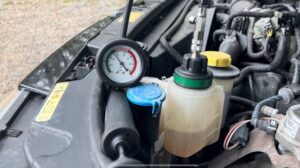
Radiator Stop Leak UAE: Quick Fix for Vehicle Cooling System Leaks Discover More Introduction: The Unforgiving UAE Climate and Your Vehicle’s Lifeline The United Arab Emirates’ automotive landscape is defined by extremes. Ambient temperatures that regularly surpass 45°C (113°F), coupled with intense urban congestion and long, high-speed desert drives, create a perfect storm of thermal stress for every vehicle. In this environment, your engine cooling system is not merely a subsystem; it is the single most critical component preventing catastrophic engine failure.
What Type of Transmission Oil in UAE Does My Car Need? Your Complete Guide
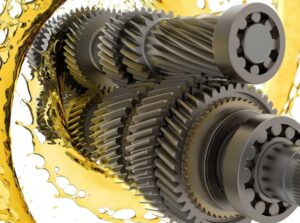
What Type of Transmission Oil in UAE Does My Car Need? Your Complete Guide Discover More Navigating the vast, sun-baked highways of the United Arab Emirates—from the dynamic urban sprawls of Dubai and Abu Dhabi to the majestic desert dunes and the tranquil mountain passes of the Hajar range—places extraordinary mechanical and thermal stress on every component of your vehicle. While conscientious drivers often prioritize engine oil changes, the vital lifeblood safeguarding the transmission, the complex heart of your car’s

Guide to UAE Turbine Oil Selection Application & Management for Industrial Facilities
Guide to UAE Turbine Oil Selection, Application, and Management for Industrial Facilities Discover More In the hyper-competitive industrial landscape of the United Arab Emirates, where operational excellence directly translates to economic advantage, turbine lubrication represents a critical nexus of reliability engineering and strategic asset management. This comprehensive guide, developed with technical insights from Rumanza Lubricants, provides an unprecedented deep dive into the science, selection criteria, and life-cycle management of turbine oils specifically engineered for the extreme operating conditions of the

Synthetic vs. Mineral Hydraulic Oil in UAE : Which is Best for Your Operation?
Synthetic vs. Mineral Hydraulic Oil in UAE : Which is Best for Your Operation? Discover More Across the dynamic landscape of the United Arab Emirates—from the megaprojects of Dubai Marina to the intricate conveyor systems of Jebel Ali Port, from the massive hydraulic shovels in Al Dhafra quarries to the precision automated lines in Abu Dhabi’s industrial cities—the silent, powerful force of hydraulics is indispensable. These systems convert fluid power into monumental force and precise motion. At the core of

What is a Pour Point Depressant? | Benefits, Uses & How It Works Mechanism
What is a Pour Point Depressant? | Benefits, Uses & How It Works Mechanism Discover More In the intricate world of lubricant formulation, few additives play as critical yet understated a role in cold-weather operability as Pour Point Depressants (PPDs). These specialized chemical compounds are the linchpin that prevents machinery from seizing up when temperatures plummet. This in-depth guide goes beyond the basics, exploring the sophisticated chemistry, detailed mechanism, nuanced benefits, and practical considerations of PPDs. We will also examine the

Guide to Gasoline Engine Oils for UAE’s Extreme Climate: Engineering Peak Performance
Gasoline Engine Oils for UAE’s Extreme Climate: Engineering Peak Performance Discover More In the heart of the Arabian Peninsula, the United Arab Emirates stands as a testament to human ambition, with its engineering marvels and endless highways. Yet, this environment of soaring achievement is also one of the most punishing on Earth for machinery. For your vehicle—whether a nimble city sedan, a powerful family SUV, or a high-performance sports car—the UAE’s climate is a relentless adversary. The choice of engine

What are Polyol Ester Oils & Lubricants – Properties & Applications
What are Polyol Ester Oils & Lubricants – Properties & Applications Discover More In the intricate world of industrial machinery, automotive engines, and advanced refrigeration systems, the choice of lubricant is not merely a maintenance task—it’s a critical engineering decision. While conventional mineral oils have served us for over a century, the demands of modern technology require fluids that can perform under extreme pressure, temperature, and environmental stress. This is where synthetic lubricants, specifically Polyol Ester oils, come to the forefront.
Guide to Choosing the Right Lithium Complex Grease in UAE
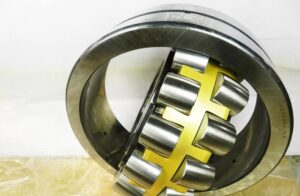
Guide to Choosing the Right Lithium Complex Grease in UAE for Unbeatable Performance Discover More In the heart of a region defined by its ambition and extreme climate, the machinery that builds and powers the UAE operates under immense pressure. From the towering cranes sculpting Dubai’s skyline to the massive haul trucks in Abu Dhabi’s industrial zones and the relentless conveyor systems in Jebel Ali Port, every moving part is a critical link in the chain of progress. Protecting these