
what are petrochemicals?
Petrochemicals chemical products derived from petroleum or natural gas. These petrochemical processes substances are crucial in manufacturing a wide array of products, from plastics and fibers to pharmaceuticals.
- Petrochemicals are chemical products derived from petroleum and natural gas.
- They serve as building blocks for various industrial products, including plastics, synthetic rubber, and chemicals.
- Common petrochemicals include ethylene, propylene, benzene, toluene, and xylene.
- These chemicals are vital for manufacturing products used in daily life, such as packaging, clothing, and household goods.
- The petrochemical industry is essential for the global economy, providing raw materials for numerous sectors.
What are petrochemicals used for:
Define petrochemicals products examples are chemicals derived from petroleum or natural gas. Some common examples include:
Ethylene – Used in plastics (e.g., polyethylene), antifreeze, and synthetic rubber.
Propylene – Used in packaging, textiles (polypropylene), and automotive parts.
Benzene – Used in dyes, detergents, and plastics (e.g., polystyrene).
Methanol – Used in formaldehyde, fuel additives, and solvents.
Butadiene – Used in synthetic rubber (e.g., tires) and plastics.
PVC (Polyvinyl Chloride) – Used in pipes, cables, and construction materials.
Paraxylene – Used in polyester fibers and PET bottles.
How a Petrochemical is Produced
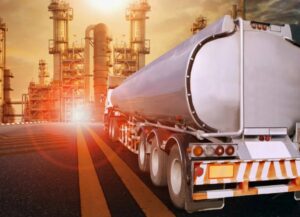
Petrochemicals industry products are produced in specialized plants, typically located near oil refineries or natural gas processing facilities. The process involves three main stages: reaction, separation, and cooling. In the reaction stage, raw materials such as ethylene or propylene undergo chemical transformations through processes like cracking or reforming. The resulting mixture is then separated into its constituent components through techniques like distillation or extraction. Finally, the separated compounds are cooled to their final state.
The Basic Layout of a Petrochemical
- Feedstock Supply: Raw materials like crude oil or natural gas are supplied.
- Cracking Unit: Feedstock is broken down into simpler molecules through thermal or catalytic cracking.
- Separation Unit: Cracked products are separated into various streams using distillation.
- Conversion Units: Streams are further processed into desired petrochemicals.
- Storage: Finished products are stored for distribution.
Reaction
- Cracking Reaction: High temperatures break down large hydrocarbons into smaller ones.
- Catalytic Reaction: Catalysts accelerate chemical reactions to produce specific products.
- Polymerization: Small molecules (monomers) combine to form polymers.
Separation
- Distillation: Separates products based on boiling points.
- Extraction: Uses solvents to separate chemicals.
- Absorption: Captures specific gases from mixtures.
Cooling
- Heat Exchangers: Transfer heat to cool down products.
- Cooling Towers: Remove excess heat from the plant.
- Refrigeration: Provides low temperatures for specific processes.
Application in Automotive Industry
Petrochemicals uses In the automotive industry, petrochemical production are utilized in various ways. Plastics derived from petrochemicals are used extensively in vehicle interiors, exteriors, and engine components. Synthetic rubber, another petrochemical product, is essential in tire manufacturing. Additionally, lubricants and fuels derived from petrochemicals are crucial for the proper functioning of engines and other mechanical components.
- Plastics: Used in interior and exterior parts, reducing vehicle weight and improving fuel efficiency.
- Synthetic Rubber: Essential for tires, enhancing durability and performance.
- Fibers: Used in seatbelts, airbags, and upholstery for safety and comfort.
- Resins: Improve coatings and adhesives for better vehicle aesthetics and durability.
- Fuel Additives: Enhance engine performance and reduce emissions.
Benefits of Petrochemicals in the Automotive Industry
The use of petrochemicals in the automotive industry offers several benefits. Plastics and synthetic materials are lightweight yet durable, contributing to fuel efficiency and vehicle performance. Petrochemical-based lubricants ensure smooth engine operation and extended machinery lifespan. Furthermore, the versatility of petrochemicals allows for the production of customized materials tailored to specific automotive applications.
- Lightweight Materials: Reduce vehicle weight, improving fuel efficiency.
- Durability: Enhance the lifespan of automotive parts.
- Safety: Materials like airbags and seatbelts improve passenger safety.
- Cost-Effectiveness: Lower production costs due to efficient manufacturing processes.
- Design Flexibility: Enable innovative designs and advanced features.
Challenges in Heat Transfer
One significant challenge in petrochemical processing is efficient heat transfer. Heat exchangers play a vital role in maintaining optimal temperatures during various reaction and separation processes. However, factors such as fouling, corrosion, and thermal degradation can impede heat transfer efficiency, leading to increased energy consumption and operational costs.
- Efficiency: Ensuring efficient heat transfer to maintain optimal reaction conditions.
- Scaling: Buildup on heat exchanger surfaces can reduce efficiency.
- Corrosion: High temperatures and chemicals can corrode equipment.
- Energy Consumption: Managing energy use to minimize costs and environmental impact.
- Safety: Maintaining safe temperatures to prevent accidents and equipment failure.
Base Chemicals Production
Base chemicals, including ethylene, propylene, and benzene, serve as building blocks for numerous petrochemical products. These chemicals are typically produced through processes like steam cracking, which break down hydrocarbon feedstocks into simpler molecules.
- Ethylene: Produced via steam cracking, used in plastics and chemicals.
- Propylene: Derived from refining processes, essential for polypropylene.
- Benzene: Obtained from catalytic reforming, used in making styrene and nylon.
- Toluene: A byproduct of gasoline production, used in solvents and explosives.
- Xylene: Extracted from crude oil, vital for polyester production.
Intermediate Chemical Production
Intermediate chemicals are synthesized from base chemicals and serve as precursors for more complex compounds. Examples include ethylene oxide, which is used in the production of plastics, and acetic acid, a key ingredient in pharmaceuticals and solvents.
- Acrylic Acid: Used in coatings, adhesives, and superabsorbent polymers.
- Acetone: Essential in solvents, pharmaceuticals, and plastics.
- Ethylene Glycol: Used in antifreeze and polyester fibers.
- Methanol: A building block for formaldehyde and acetic acid.
- Isopropanol: Used in disinfectants and solvents.
Polymer and Fibers Production
Petrochemicals are essential in the production of polymers and fibers used in various applications, including automotive manufacturing. Polyethylene, polypropylene, and polyester are common polymers derived from petrochemicals and find widespread use in vehicle components, upholstery, and packaging materials.
- Polyethylene: Widely used in packaging, containers, and pipes.
- Polypropylene: Utilized in automotive parts, textiles, and consumer goods.
- Polystyrene: Common in insulation, packaging, and disposable products.
- Polyester: Used in textiles, clothing, and industrial fabrics.
- Nylon: Essential for fibers, resins, and films.
Fine Chemical Production
Fine chemicals, also known as specialty chemicals, are synthesized for specific applications in pharmaceuticals, agrochemicals, and electronics. Petro chemicals serve as crucial raw materials in the production of fine chemicals, enabling the synthesis of complex molecules with high purity and precision.
- Pharmaceuticals: Active ingredients for medications.
- Agricultural Chemicals: Pesticides and fertilizers for farming.
- Specialty Chemicals: Additives for paints, coatings, and personal care products.
- Flavors and Fragrances: Ingredients for food and cosmetic industries.
- Dyes and Pigments: Colorants for textiles, plastics, and inks.
Final Thoughts
Petrochemical manufacturing play a vital role in the automotive industry, offering lightweight and durable materials, lubricants, and fuels essential for vehicle manufacturing and operation. While petrochemical processing faces challenges such as heat transfer efficiency, advancements in technology continue to improve productivity and sustainability in this critical sector. As demand for Petrochemical products continues to grow, innovation and collaboration will be key to addressing challenges and maximizing the benefits of these versatile compounds.
FAQs
The petrochemical industry produces chemicals derived from petroleum (crude oil) and natural gas. These chemicals are used to make a wide range of products, including:
Plastics (e.g., PVC, polyethylene)
Fertilizers (e.g., ammonia, urea)
Synthetic rubber (e.g., for tires)
Detergents & solvents
Pharmaceuticals & cosmetics
Textiles (e.g., polyester, nylon)
Key processes include refining, cracking, and polymerization. Major players include companies like Saudi Aramco, BASF, Dow, and Sinopec. The industry is vital for modern manufacturing but faces challenges like environmental concerns and the shift toward bio-based alternatives.
Petrochemicals can be broadly classified into three main types based on their chemical structure and production process:
1. Olefins (Alkenes)
Examples: Ethylene, Propylene, Butadiene
Uses: Plastics (polyethylene, PVC), synthetic rubber, packaging, textiles
2. Aromatics
Examples: Benzene, Toluene, Xylene (BTX)
Uses: Detergents, dyes, pharmaceuticals, polyester fibers, solvents
3. Synthesis Gas Derivatives (Syngas)
Examples: Methanol, Ammonia, Urea
Uses: Fertilizers, antifreeze, formaldehyde, fuel additives
These primary petrochemicals serve as building blocks for thousands of downstream products, from plastics to medicines. Let me know if you’d like details on a specific type!
Petrochemical additives are specialized chemicals derived from oil/gas, used to enhance product performance. Key types include:
Fuel Additives – Boost octane, clean engines, stabilize fuel.
Plastic Additives – Improve flexibility (plasticizers), fire resistance (flame retardants), and durability (UV stabilizers).
Lubricant Additives – Reduce friction, protect engines.
Rubber Additives – Strengthen tires (vulcanizing agents) and increase durability.
Cosmetic/Pharma Additives – Moisturize (emollients), preserve products.
Agrochemical Additives – Aid pesticides, control fertilizer release.
Purpose: Enhance safety, efficiency, longevity, and material properties.
Yes, petrol (gasoline) is a petroleum-derived chemical product. It is obtained through the refining of crude oil and consists of a mixture of hydrocarbons (like octane) and additives to improve performance.
However, petrol is not classified as a petrochemical in the traditional sense. Here’s the difference:
Petrol (Gasoline) → A fuel used in engines.
Petrochemicals → Chemicals derived from petroleum/natural gas used to make other products (e.g., plastics, fertilizers, synthetic fibers).
So, while petrol is a chemical product of oil refining, it is primarily a fuel, not a petrochemical like ethylene or PVC.
Petrochemicals, derived from petroleum and natural gas, are crucial in producing a vast array of everyday products, including plastics (like polyethylene and PVC), synthetic fibers (polyester, nylon), rubber for tires, fertilizers, detergents, pharmaceuticals, cosmetics, construction materials (paints, insulation), and medical supplies (syringes, gloves). They also play key roles in automotive parts, packaging, and agriculture (pesticides, herbicides). While indispensable to modern life, their environmental impact has spurred interest in sustainable alternatives and recycling.

Radiator Stop Leak UAE: Quick Fix for Vehicle Cooling System Leaks
Radiator Stop Leak UAE: Quick Fix for Vehicle Cooling System Leaks Discover More Introduction: The Unforgiving UAE Climate and Your Vehicle’s Lifeline The United Arab Emirates’ automotive landscape is defined by extremes. Ambient temperatures that regularly surpass 45°C (113°F), coupled with intense urban congestion and long, high-speed desert drives, create a perfect storm of thermal stress for every vehicle. In this environment, your engine cooling system is not merely a subsystem; it is the single most critical component preventing catastrophic engine failure.
What Type of Transmission Oil in UAE Does My Car Need? Your Complete Guide
What Type of Transmission Oil in UAE Does My Car Need? Your Complete Guide Discover More Navigating the vast, sun-baked highways of the United Arab Emirates—from the dynamic urban sprawls of Dubai and Abu Dhabi to the majestic desert dunes and the tranquil mountain passes of the Hajar range—places extraordinary mechanical and thermal stress on every component of your vehicle. While conscientious drivers often prioritize engine oil changes, the vital lifeblood safeguarding the transmission, the complex heart of your car’s
Guide to UAE Turbine Oil Selection Application & Management for Industrial Facilities
Guide to UAE Turbine Oil Selection, Application, and Management for Industrial Facilities Discover More In the hyper-competitive industrial landscape of the United Arab Emirates, where operational excellence directly translates to economic advantage, turbine lubrication represents a critical nexus of reliability engineering and strategic asset management. This comprehensive guide, developed with technical insights from Rumanza Lubricants, provides an unprecedented deep dive into the science, selection criteria, and life-cycle management of turbine oils specifically engineered for the extreme operating conditions of the
Synthetic vs. Mineral Hydraulic Oil in UAE : Which is Best for Your Operation?
Synthetic vs. Mineral Hydraulic Oil in UAE : Which is Best for Your Operation? Discover More Across the dynamic landscape of the United Arab Emirates—from the megaprojects of Dubai Marina to the intricate conveyor systems of Jebel Ali Port, from the massive hydraulic shovels in Al Dhafra quarries to the precision automated lines in Abu Dhabi’s industrial cities—the silent, powerful force of hydraulics is indispensable. These systems convert fluid power into monumental force and precise motion. At the core of
What is a Pour Point Depressant? | Benefits, Uses & How It Works Mechanism
What is a Pour Point Depressant? | Benefits, Uses & How It Works Mechanism Discover More In the intricate world of lubricant formulation, few additives play as critical yet understated a role in cold-weather operability as Pour Point Depressants (PPDs). These specialized chemical compounds are the linchpin that prevents machinery from seizing up when temperatures plummet. This in-depth guide goes beyond the basics, exploring the sophisticated chemistry, detailed mechanism, nuanced benefits, and practical considerations of PPDs. We will also examine the
Guide to Gasoline Engine Oils for UAE’s Extreme Climate: Engineering Peak Performance
Gasoline Engine Oils for UAE’s Extreme Climate: Engineering Peak Performance Discover More In the heart of the Arabian Peninsula, the United Arab Emirates stands as a testament to human ambition, with its engineering marvels and endless highways. Yet, this environment of soaring achievement is also one of the most punishing on Earth for machinery. For your vehicle—whether a nimble city sedan, a powerful family SUV, or a high-performance sports car—the UAE’s climate is a relentless adversary. The choice of engine
What are Polyol Ester Oils & Lubricants – Properties & Applications
What are Polyol Ester Oils & Lubricants – Properties & Applications Discover More In the intricate world of industrial machinery, automotive engines, and advanced refrigeration systems, the choice of lubricant is not merely a maintenance task—it’s a critical engineering decision. While conventional mineral oils have served us for over a century, the demands of modern technology require fluids that can perform under extreme pressure, temperature, and environmental stress. This is where synthetic lubricants, specifically Polyol Ester oils, come to the forefront.

Guide to Choosing the Right Lithium Complex Grease in UAE
Guide to Choosing the Right Lithium Complex Grease in UAE for Unbeatable Performance Discover More In the heart of a region defined by its ambition and extreme climate, the machinery that builds and powers the UAE operates under immense pressure. From the towering cranes sculpting Dubai’s skyline to the massive haul trucks in Abu Dhabi’s industrial zones and the relentless conveyor systems in Jebel Ali Port, every moving part is a critical link in the chain of progress. Protecting these