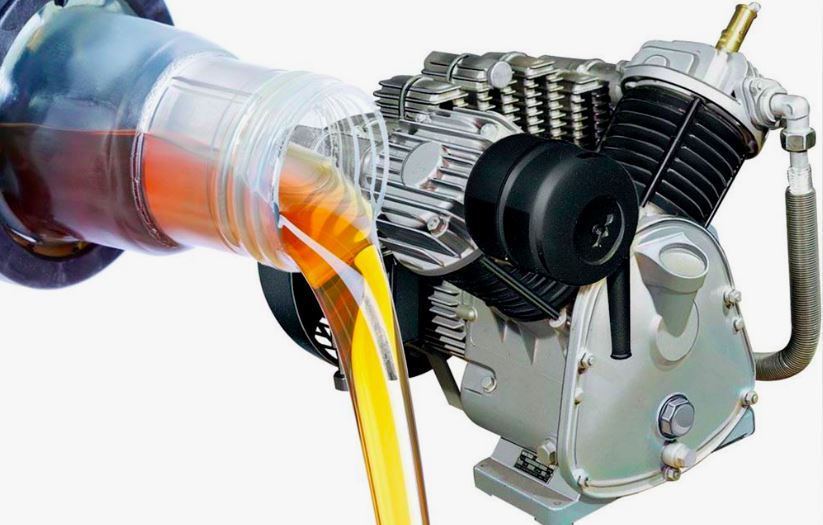

Essential Insights into 2-Stroke Transmission Oil
What is a Transmission Fluid?
Transmission fluid is a lubricant used in vehicles and machinery to ensure the smooth operation of transmission systems. It functions by reducing friction among the moving parts within the transmission, which prevents wear and overheating. This fluid helps in transferring power from the engine to the transmission and facilitates gear shifts. Over time, transmission fluid degrades due to heat and mechanical stress, necessitating regular replacement to maintain vehicle performance and longevity.
What is a 2-Stroke Transmission Oil?
2-stroke transmission oil is specifically designed for vehicles with 2-stroke engines, such as motorcycles and scooters. Unlike 4-stroke engines oil that have a separate lubrication system, 2-stroke engines often mix oil with fuel to lubricate internal components. The transmission oil for these engines is formulated to endure the high revs and lower operating temperatures typical of 2-stroke mechanisms, providing optimal lubrication and protection against wear and corrosion.
Benefits of 2-Stroke Transmission Oil

- Enhanced Lubrication: It reduces friction and wear in the gearbox, prolonging the life of transmission components.
- Thermal Stability: It maintains its protective properties at high temperatures, preventing breakdown and engine damage.
- Corrosion Resistance: Special additives help protect metal surfaces from rust and corrosion.
Improved Performance: Proper lubrication ensures smoother gear shifts and improved performance of the engine. - Durability: It extends the service intervals, thereby reducing maintenance costs over time.
Application of 2-Stroke Transmission Oil
2-stroke transmission oil is primarily used in motorcycles, scooters, and other power equipment with 2-stroke engines. The oil is either pre-mixed with the fuel or added to a separate oil compartment in the case of vehicles with automatic lubrication systems. It’s crucial to use the correct oil type as specified by the manufacturer to ensure optimal engine performance and avoid potential damage.
How Does the 2-Stroke Transmission Oil Work?
2-stroke transmission oil works by creating a lubricating film on the moving parts of the engine and transmission. This film reduces metal-to-metal contact, minimizing wear and dissipating heat. In engines where the oil is mixed with fuel, it also helps in the combustion process by burning cleanly without leaving harmful residues, which is crucial for maintaining engine health and efficiency.
Comparison Between 2-Stroke Transmission Oil and 4-Stroke Transmission Oil
The key difference between 2-stroke and 4-stroke transmission oil lies in their formulation and application:
- 2-Stroke Oil: Lighter and designed to mix well with fuel, often with additives that help it burn cleanly to avoid engine fouling.
- 4-Stroke Oil: Thicker and used solely for lubrication without being burned in the engine. It typically includes detergents and dispersants to keep the engine clean.
Which is the Right Transmission Fluid for You?
Choosing the right transmission fluid depends on your vehicle’s engine type and manufacturer’s recommendations. For 2-stroke engines, using the specific 2-stroke oil is crucial. Always check your vehicle’s manual for the recommended oil type and viscosity. For 4-stroke engines, use the oil designed for these systems to ensure compatibility and optimal performance.
When Do You Need to Change the 2-Stroke Transmission Oil?
Change the 2-stroke transmission oil as per the manufacturer’s guidelines, typically every few thousand miles or once a season for power equipment. Regular changes prevent the buildup of contaminants and degradation of oil properties, ensuring consistent engine performance and longevity.
How to Know if the 2-Stroke Transmission Oil is Low?
Signs of low transmission oil in a 2-stroke engine include noisy operation, difficulty in shifting gears, and a noticeable decrease in engine performance. Regularly check the oil level and top it up if necessary to avoid running the engine on low oil, which can cause severe damage.
Environmental Impact of 2 Stroke Transmission Oil
The environmental impact of 2 stroke transmission oils is significant due to the nature of two-stroke engines that emit oil into the environment during combustion. These emissions can contribute to pollution and harm wildlife. Modern formulations increasingly include biodegradable or less toxic components to mitigate these effects. As environmental regulations tighten, the development of eco-friendly transmission oils is becoming crucial for sustainability in automotive practices.
Storage and Disposal of 2 Stroke Transmission Oil
Proper storage and disposal of 2 stroke transmission oil are vital for safety and environmental protection. Oils should be stored in a cool, dry place away from direct sunlight. Used transmission oil must be disposed of properly, as it contains harmful contaminants. It is recommended to bring used oil to recycling centers or auto shops that offer recycling services, ensuring that it does not contribute to environmental pollution.
Common Problems with 2 Stroke Transmission Oil
Common issues with 2 stroke transmission oil include degradation of oil due to high temperatures, contamination with dirt or water, and incorrect oil levels. These problems can lead to increased wear and tear, decreased performance, and even engine failure. Regular checks and maintenance can help detect and address these issues early, ensuring that the transmission operates smoothly and efficiently.
Rumanza’s Commitment to Quality in 2 Stroke Transmission Oils
Rumanza is committed to providing top-quality 2 stroke transmission oils designed to meet the rigorous demands of all types of two-stroke engines. With a focus on innovation and quality, Rumanza’s oils are tested extensively to ensure they deliver superior performance, protect engine components, and extend the life of the transmission. Whether for daily commuting, professional racing, or recreational use, Rumanza’s oils provide the reliability and performance needed to excel.
Final Thoughts
Maintaining your vehicle with the right 2 stroke transmission oil is essential for optimal performance and longevity. Understanding the different types of oils, their applications, and the necessary maintenance practices can help in making informed decisions about your vehicle’s care. By choosing quality products like Rumanza’s 2 stroke transmission oil and adhering to proper maintenance schedules, you can ensure that your engine runs smoothly and efficiently for years to come.
FAQs

Radiator Stop Leak UAE: Quick Fix for Vehicle Cooling System Leaks
Radiator Stop Leak UAE: Quick Fix for Vehicle Cooling System Leaks Discover More Introduction: The Unforgiving UAE Climate and Your Vehicle’s Lifeline The United Arab Emirates’ automotive landscape is defined by extremes. Ambient temperatures that regularly surpass 45°C (113°F), coupled with intense urban congestion and long, high-speed desert drives, create a perfect storm of thermal stress for every vehicle. In this environment, your engine cooling system is not merely a subsystem; it is the single most critical component preventing catastrophic engine failure.
What Type of Transmission Oil in UAE Does My Car Need? Your Complete Guide
What Type of Transmission Oil in UAE Does My Car Need? Your Complete Guide Discover More Navigating the vast, sun-baked highways of the United Arab Emirates—from the dynamic urban sprawls of Dubai and Abu Dhabi to the majestic desert dunes and the tranquil mountain passes of the Hajar range—places extraordinary mechanical and thermal stress on every component of your vehicle. While conscientious drivers often prioritize engine oil changes, the vital lifeblood safeguarding the transmission, the complex heart of your car’s

Guide to UAE Turbine Oil Selection Application & Management for Industrial Facilities
Guide to UAE Turbine Oil Selection, Application, and Management for Industrial Facilities Discover More In the hyper-competitive industrial landscape of the United Arab Emirates, where operational excellence directly translates to economic advantage, turbine lubrication represents a critical nexus of reliability engineering and strategic asset management. This comprehensive guide, developed with technical insights from Rumanza Lubricants, provides an unprecedented deep dive into the science, selection criteria, and life-cycle management of turbine oils specifically engineered for the extreme operating conditions of the

Synthetic vs. Mineral Hydraulic Oil in UAE : Which is Best for Your Operation?
Synthetic vs. Mineral Hydraulic Oil in UAE : Which is Best for Your Operation? Discover More Across the dynamic landscape of the United Arab Emirates—from the megaprojects of Dubai Marina to the intricate conveyor systems of Jebel Ali Port, from the massive hydraulic shovels in Al Dhafra quarries to the precision automated lines in Abu Dhabi’s industrial cities—the silent, powerful force of hydraulics is indispensable. These systems convert fluid power into monumental force and precise motion. At the core of

What is a Pour Point Depressant? | Benefits, Uses & How It Works Mechanism
What is a Pour Point Depressant? | Benefits, Uses & How It Works Mechanism Discover More In the intricate world of lubricant formulation, few additives play as critical yet understated a role in cold-weather operability as Pour Point Depressants (PPDs). These specialized chemical compounds are the linchpin that prevents machinery from seizing up when temperatures plummet. This in-depth guide goes beyond the basics, exploring the sophisticated chemistry, detailed mechanism, nuanced benefits, and practical considerations of PPDs. We will also examine the