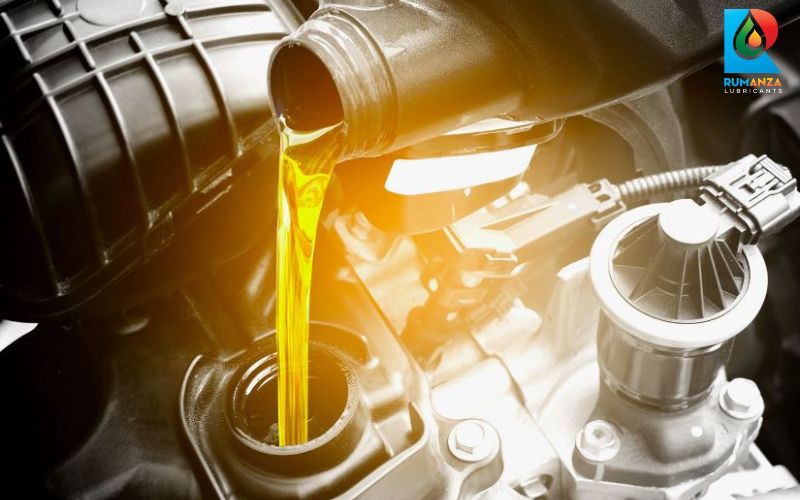

How To Diesel Engine Oil Change
A Step-by-Step Guide

Understanding the Basics of Diesel Engine Oil

Diesel engine oil is a specialized lubricant designed for use in diesel engines. It serves several important functions of Diesel Engine Oil, including reducing friction between moving parts, cooling the engine, sealing gaps between parts to prevent leaks, and cleaning the engine by removing dirt and contaminants.

The Role of Diesel Engine Oil in an Engine’s Health

Oil change diesel engine plays a crucial role in maintaining the health and longevity of an engine. It provides lubrication to reduce wear and tear on engine components, helps to dissipate heat, and prevents the buildup of harmful deposits that can reduce engine performance. Regular oil changes are essential to ensure that the engine remains properly lubricated and protected.

Diesel Engine Oil Classes and What They Mean

Diesel engine oils are classified by the American Petroleum Institute (API) based on their performance characteristics. The classification system helps consumers identify oils that meet the requirements of their engines. The API classes include CF, CF-4, CG-4, CH-4, CI-4, and CJ-4, with each class indicating different levels of performance and protection.

Diesel Engine Oil Classes Viscosity Ratings and Why They Matter

Viscosity is a measure of the oil’s resistance to flow. It is important to choose the right viscosity for your diesel engine, as it affects how well the oil can lubricate and protect the engine at different temperatures. The Society of Automotive Engineers (SAE) has established viscosity ratings, such as 10W-30 or 15W-40, which indicate the oil’s viscosity at different temperatures.

Diesel Engine Oil API Classification

The API classification system categorizes oils based on their performance characteristics. These classifications, such as CF, CG-4, and CI-4, indicate the oil’s ability to provide protection against wear, deposits, and other engine issues. It’s important to choose an oil that meets the API requirements for your engine to ensure optimal performance and longevity.

Additive Magic

Engine oil guide diesel often contain additives that enhance their performance and protection capabilities. These additives can improve the oil’s ability to lubricate, clean, and protect the engine, especially under extreme conditions. Common additives include detergents, dispersants, antioxidants, and anti-wear agents.

Consider Your Environment

The environment in which you operate your diesel engine can impact the choice of engine oil. Factors such as temperature, humidity, and altitude can affect the oil’s performance and viscosity requirements. It’s important to choose an oil that is suitable for the conditions in which you operate your engine to ensure optimal performance and protection.

What Is The SAE Rating?

The Society of Automotive Engineers (SAE) viscosity rating indicates the oil’s viscosity at different temperatures. For example, a 10W-30 oil is thinner at low temperatures (W for winter) and thicker at high temperatures, compared to a 15W-40 oil. Choosing the right SAE rating for your diesel oil for engine performance is crucial for ensuring proper lubrication and protection.

Synthetic Vs. Conventional Diesel Engine Oil

Synthetic diesel engine oils are formulated to provide better performance and protection compared to conventional oils. They offer superior lubrication, thermal stability, and resistance to oxidation and deposit formation. While synthetic oils are more expensive, they can help prolong engine life and improve fuel efficiency.

How Driving Habits Can Influence Your Choice?

Your driving habits can influence the type of diesel engine oil you should choose. For example, frequent short trips or stop-and-go driving can lead to increased engine wear and oil contamination, requiring more frequent oil change on diesel engine or diesel oil filter change. On the other hand, long highway drives can allow the oil to reach optimal operating temperatures, reducing wear and extending oil life.

The Importance of Considering Manufacturer’s Recommendations

It is important to follow the manufacturer’s recommendations when choosing diesel engine oil. The manufacturer knows the specific requirements of the engine and can recommend the oil that will provide the best performance and protection. Using the wrong oil can lead to engine damage and void the warranty.

How to change diesel oil?

Oil change diesel engine oil involves draining the old oil, replacing the oil filter, and adding fresh oil. It is important to follow the manufacturer’s recommendations for oil type and viscosity, as well as the proper procedure for draining and refilling the oil. Regular oil changes are essential for maintaining the health and performance of your diesel engine.

Final Thoughts

Choosing  the diesel engine oil is efficient.  best diesel engine oil is crucial for maintaining the health and longevity of your engine. Understanding the basics, such as viscosity ratings, API classifications, and the role of additives, can help you make an informed decision. Consider your driving habits and environment when selecting oil, and always follow the manufacturer’s recommendations.

Regular diesel change oil are essential for optimal engine performance. Whether you choose synthetic or conventional oil, ensure it meets the API requirements for your engine. By selecting the right diesel engine oil and following proper maintenance procedures, you can ensure your engine runs smoothly and efficiently for years to come.

FAQs

  1. Gather Supplies – New oil (correct grade), oil filter, wrench, drain pan, funnel, gloves, and rags.

  2. Warm Up Engine – Run the engine for a few minutes to warm the oil (helps drainage).

  3. Drain Old Oil – Place the drain pan under the oil plug, remove the plug, and let oil drain completely.

  4. Replace Oil Filter – Remove the old filter, lubricate the new filter’s gasket, and install it.

  5. Refill Oil – Add the recommended amount of fresh oil through the filler cap.

  6. Check Levels – Start the engine, let it run, then check the dipstick and for leaks.

  7. Dispose of Old Oil – Take used oil to a recycling center.

Done! Regular oil changes keep your diesel engine running smoothly. 🚛💨

To change oil in a diesel truck: warm up the engine, safely lift it, and drain the old oil. Replace the oil filter, refill with the correct heavy-duty oil and viscosity (check your manual for type and amount), and check for leaks. Always dispose of the old oil and filter responsibly.

Diesel engine oil should be changed at the manufacturer’s specified interval or immediately if oil analysis shows contamination, with more frequent changes required for severe operating conditions.

The best oil for a diesel engine depends on factors like the engine’s age, operating conditions, and manufacturer’s recommendations. Typically, oils with high-quality base stocks and additives that meet the engine’s specifications are considered best.

No, 15W-40 oil is not exclusive to diesel engines. It can also be used in gasoline engines, but it’s more commonly recommended for diesel engines due to its formulation that suits the higher demands and operating conditions of diesel engines.

Diesel engine oil is formulated to withstand higher temperatures, soot buildup, and longer intervals between oil changes compared to gasoline engine oil. It also contains additives that help protect against wear, deposits, and corrosion, which are common issues in diesel engines.

When choosing diesel engine oil, consider the engine manufacturer’s recommendations, the API classification required for the engine, the operating conditions, and the viscosity rating suitable for the engine’s temperature range.

The choice between 5W-40 and 10W-40 depends on the engine’s operating conditions. 5W-40 flows better at low temperatures, providing better cold-start protection, while 10W-40 is more suitable for higher temperatures. Refer to the manufacturer’s recommendations for the best choice.

Radiator Stop Leak UAE

Radiator Stop Leak UAE: Quick Fix for Vehicle Cooling System Leaks

Radiator Stop Leak UAE: Quick Fix for Vehicle Cooling System Leaks Discover More Introduction: The Unforgiving UAE Climate and Your Vehicle’s Lifeline The United Arab Emirates’ automotive landscape is defined by extremes. Ambient temperatures that regularly surpass 45°C (113°F), coupled with intense urban congestion and long, high-speed desert drives, create a perfect storm of thermal stress for every vehicle. In this environment, your engine cooling system is not merely a subsystem; it is the single most critical component preventing catastrophic engine failure.
Read More »
Transmission Oil in UAE

What Type of Transmission Oil in UAE Does My Car Need? Your Complete Guide

What Type of Transmission Oil in UAE Does My Car Need? Your Complete Guide Discover More Navigating the vast, sun-baked highways of the United Arab Emirates—from the dynamic urban sprawls of Dubai and Abu Dhabi to the majestic desert dunes and the tranquil mountain passes of the Hajar range—places extraordinary mechanical and thermal stress on every component of your vehicle. While conscientious drivers often prioritize engine oil changes, the vital lifeblood safeguarding the transmission, the complex heart of your car’s

Read More »
UAE Turbine Oil

Guide to UAE Turbine Oil Selection Application & Management for Industrial Facilities

Guide to UAE Turbine Oil Selection, Application, and Management for Industrial Facilities Discover More In the hyper-competitive industrial landscape of the United Arab Emirates, where operational excellence directly translates to economic advantage, turbine lubrication represents a critical nexus of reliability engineering and strategic asset management. This comprehensive guide, developed with technical insights from Rumanza Lubricants, provides an unprecedented deep dive into the science, selection criteria, and life-cycle management of turbine oils specifically engineered for the extreme operating conditions of the

Read More »
Hyderolic Oil in UAE

Synthetic vs. Mineral Hydraulic Oil in UAE : Which is Best for Your Operation?

Synthetic vs. Mineral Hydraulic Oil in UAE : Which is Best for Your Operation? Discover More Across the dynamic landscape of the United Arab Emirates—from the megaprojects of Dubai Marina to the intricate conveyor systems of Jebel Ali Port, from the massive hydraulic shovels in Al Dhafra quarries to the precision automated lines in Abu Dhabi’s industrial cities—the silent, powerful force of hydraulics is indispensable. These systems convert fluid power into monumental force and precise motion. At the core of

Read More »
Pour Point Depressant

What is a Pour Point Depressant? | Benefits, Uses & How It Works Mechanism

What is a Pour Point Depressant? | Benefits, Uses & How It Works Mechanism Discover More In the intricate world of lubricant formulation, few additives play as critical yet understated a role in cold-weather operability as Pour Point Depressants (PPDs). These specialized chemical compounds are the linchpin that prevents machinery from seizing up when temperatures plummet. This in-depth guide goes beyond the basics, exploring the sophisticated chemistry, detailed mechanism, nuanced benefits, and practical considerations of PPDs. We will also examine the

Read More »