
Base oil Group I: The Fundamentals of Automotive Technology
The automotive industry is a complex and rapidly evolving field that has been revolutionized by technological advancements in recent years. From the development of electric vehicles to the emergence of autonomous driving, the sector is constantly pushing the boundaries of innovation. Here, we will delve into the fundamentals of automotive technology, exploring the key components, systems, and innovations that shape the industry.
BAse Oil Group I: The Engine
- Internal Combustion Engines (ICEs): ICEs are the most common type of engine, which use a combination of air, fuel, and spark to ignite a mixture inside the cylinders, generating power.
- Electric Motors: Electric motors use electrical energy to generate power and are becoming increasingly popular as the demand for electric vehicles grows.
- Hybrid Engines: Hybrid engines combine elements of ICEs and electric motors to optimize fuel efficiency and reduce emissions.
Engine Components
The engine is comprised of several key components, including:
- Cylinders: Cylinders are the chambers where the combustion process takes place.
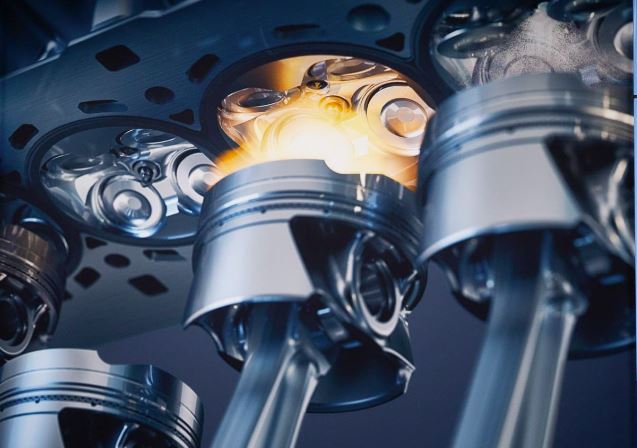
- Pistons: Pistons move up and down inside the cylinders, driven by the explosive force generated by combustion.
- Crankshaft: The crankshaft converts the up-and-down motion of the pistons into rotary motion.
- Camshaft: The camshaft operates the valves that allow air and fuel into the cylinders and exhaust gases out of the cylinders.
- Valves: Valves control the flow of air and fuel into the cylinders and exhaust gases out of the cylinders.
Engine Systems
The engine is connected to various systems that work together to optimize performance, fuel efficiency, and emissions. These systems include:
- Fuel System: The fuel system delivers fuel to the engine’s cylinders.
- Ignition System: The ignition system generates the spark or heat needed to ignite the fuel-air mixture in the cylinders.
- Exhaust System: The exhaust system carries exhaust gases away from the engine and out of the vehicle.
- Cooling System: The cooling system regulates engine temperature to prevent overheating.
Innovations in Engine Technology
In recent years, there has been a significant focus on reducing emissions and improving fuel efficiency through innovative engine technologies. Some examples include:
- Turbocharging: Turbocharging uses a turbine to compress air into the cylinders, increasing power output while reducing emissions.
- Direct Fuel Injection: Direct fuel injection delivers fuel directly into the cylinders, improving fuel efficiency and reducing emissions.
- Hybridization: Hybridization combines elements of ICEs and electric motors to optimize fuel efficiency and reduce emissions.
Base Oil Group I: The Transmission
The transmission is responsible for transferring power from the engine to the wheels, allowing for smooth acceleration and deceleration. There are several types of transmissions, including:
- Manual Transmissions: Manual transmissions use a driver-operated clutch and gearshift to change gears.
- Automatic Transmissions: Automatic transmissions use a complex system of sensors and actuators to automatically change gears.
- Continuously Variable Transmissions (CVTs): CVTs use belts and pulleys to continuously adjust gear ratios for smooth acceleration.
- Dual-Clutch Transmissions (DCTs): DCTs use two clutches to pre-select gears, allowing for quick and seamless shifts.
Transmission Components
The transmission is comprised of several key components, including:
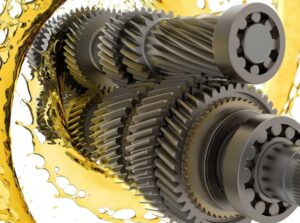
- Gearbox: The gearbox houses the gears that transmit power from the engine to the wheels.
- Clutches: Clutches engage or disengage gears to change speed or direction.
- Bands: Bands are used in manual transmissions to apply pressure to engage gears.
- Sensors: Sensors monitor vehicle speed, throttle position, and other factors to determine when to change gears.
Transmission Systems
The transmission is connected to various systems that work together to optimize performance and fuel efficiency. These systems include:
- Electronics: Electronics control transmission functions such as gear shifting and clutch engagement.
- Hydraulics: Hydraulics provide pressure to engage or disengage clutches and bands.
- Cooling System: The cooling system regulates transmission temperature to prevent overheating.
Innovations in Transmission Technology
In recent years, there has been a significant focus on improving transmission efficiency and reducing emissions through innovative technologies. Some examples include:
- Dual-Clutch Transmissions (DCTs): DCTs have become increasingly popular due to their ability to quickly shift gears while maintaining smooth acceleration.
- Continuously Variable Transmissions (CVTs): CVTs have become popular in hybrid vehicles due to their ability to continuously adjust gear ratios for smooth acceleration.
- Automated Manual Transmissions (AMTs): AMTs use a combination of manual transmission components with automated shifting capabilities.
Final Thoughts
Base Oil Group I: The Fundamentals of Automotive Technology explores the key components, systems, and innovations that shape the automotive industry. From engines to transmissions, understanding these fundamental concepts is essential for developing new technologies that improve performance, fuel efficiency, and emissions. As the industry continues to evolve, it is likely that new innovations will emerge that further shape the future of automotive technology.
FAQs

Guide to Gasoline Engine Oils for UAE’s Extreme Climate: Engineering Peak Performance
Gasoline Engine Oils for UAE’s Extreme Climate: Engineering Peak Performance Discover More In the heart of the Arabian Peninsula, the United Arab Emirates stands as a testament to human ambition, with its engineering marvels and endless highways. Yet, this environment of soaring achievement is also one of the most punishing on Earth for machinery. For your vehicle—whether a nimble city sedan, a powerful family SUV, or a high-performance sports car—the UAE’s climate is a relentless adversary. The choice of engine
What are Polyol Ester Oils & Lubricants – Properties & Applications
What are Polyol Ester Oils & Lubricants – Properties & Applications Discover More In the intricate world of industrial machinery, automotive engines, and advanced refrigeration systems, the choice of lubricant is not merely a maintenance task—it’s a critical engineering decision. While conventional mineral oils have served us for over a century, the demands of modern technology require fluids that can perform under extreme pressure, temperature, and environmental stress. This is where synthetic lubricants, specifically Polyol Ester oils, come to the forefront.

Guide to Choosing the Right Lithium Complex Grease in UAE
Guide to Choosing the Right Lithium Complex Grease in UAE for Unbeatable Performance Discover More In the heart of a region defined by its ambition and extreme climate, the machinery that builds and powers the UAE operates under immense pressure. From the towering cranes sculpting Dubai’s skyline to the massive haul trucks in Abu Dhabi’s industrial zones and the relentless conveyor systems in Jebel Ali Port, every moving part is a critical link in the chain of progress. Protecting these

Lithium Grease UAE – Buy Multi-Purpose Lubricant Grease
Lithium Grease UAE – Buy Multi-Purpose Lubricant Grease Discover More In the relentless engine of the United Arab Emirates’ economy—where monumental construction, non-stop logistics, and a climate of extreme heat and abrasive sand are the norm—the battle against friction and corrosion is perpetual. The integrity of a construction crane’s slewing ring, the smooth operation of a delivery fleet’s wheel bearings, and the silent efficiency of a hotel’s HVAC system all hinge on a single, critical decision: the choice of lubricant.

Best CNG Engine Oil in UAE for Cars – Protect Your CNG Engine
Best CNG Engine Oil in UAE for Cars – Protect Your CNG Engine Discover More The automotive landscape in the UAE is undergoing a quiet revolution. As fuel prices fluctuate and environmental consciousness grows, more and more drivers are making the intelligent switch to Compressed Natural Gas (CNG). CNG-powered cars offer significant cost savings on fuel and produce fewer emissions, making them an economically and ecologically sound choice. However, this transition comes with a critical responsibility: understanding that a CNG