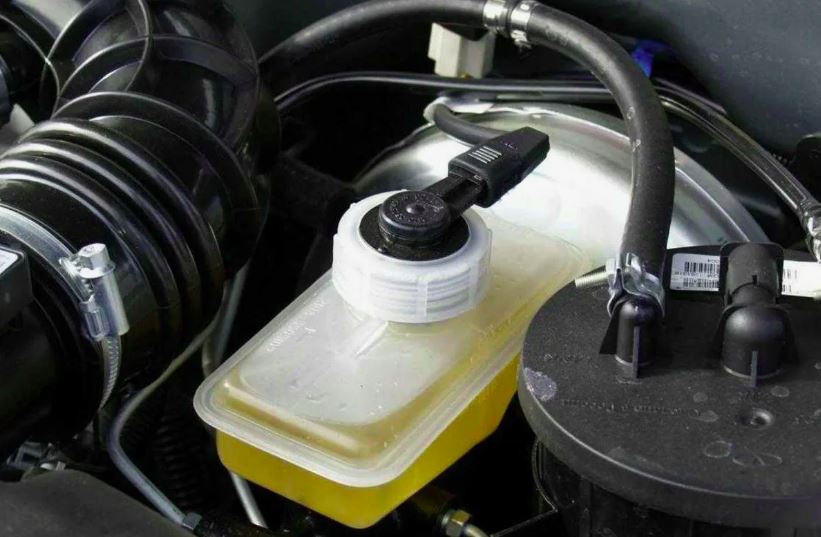
How Choosing Right Anti-Wear Additive about Automotive Industry
In the competitive landscape of the automotive industry, maintaining the longevity and efficiency of vehicle components is paramount. One of the critical factors contributing to this is the use of anti-wear additives in lubricants. Selecting the right anti-wear additive for your specific application needs can significantly enhance performance, reduce wear and tear, and prolong the lifespan of automotive parts. Here we will delves into the intricacies of anti-wear additives, their importance, and how to choose the best one for your automotive needs.
Understanding Anti-Wear Additives
Anti-wear additives are chemical compounds added to lubricants to form a protective layer on metal surfaces, reducing friction and wear. These additives are crucial in environments where metal-to-metal contact occurs, such as in engines, gearboxes, and hydraulic systems.
Types of Anti-Wear Additives and Application in Detail
To delve deeper into the world of anti-wear additives, let’s explore some of the most common types and their specific advantages and applications.
Zinc Dialkyldithiophosphate (ZDDP)
ZDDP has been a staple in the automotive industry for decades due to its excellent anti-wear properties and cost-effectiveness. It forms a protective film on metal surfaces, which helps to minimize friction and wear.
Applications:
- Engine oils
- Hydraulic fluids
- Gear oils
Advantages:
- Provides excellent protection against wear and oxidation
- Cost-effective and widely available
- Compatible with most lubricant formulations
Challenges:
- Can contribute to phosphorus emissions, which are a concern for catalytic converters in modern engines
- Over time, it can lead to sludge formation if not properly balanced in the formulation
Phosphorus-Based Additives
Phosphorus-based additives are known for their robust anti-wear properties, making them ideal for high-performance lubricants. They work by forming a phosphate film on metal surfaces, reducing wear and enhancing durability.
Applications:
- High-performance engine oils
- Transmission fluids
- Industrial lubricants
Advantages:
- Excellent anti-wear protection
- Enhances lubricant stability and longevity
- Suitable for high-temperature applications
Challenges:
- Similar to ZDDP, phosphorus emissions can be problematic for emission control systems
- May require precise formulation to avoid negative interactions with other additives
Sulfur-Based Additives
Sulfur-based additives are primarily used for their extreme pressure (EP) performance. They are essential in applications where heavy loads and high pressures are common, such as in gear oils and industrial machinery.
Applications:
- Gear oils
- Industrial lubricants
- Metalworking fluids
Advantages:
- Superior EP performance
- Effective at high loads and pressures
- Enhances the lifespan of gears and bearings
Challenges:
- Can be corrosive to certain metals if not properly formulated
- Requires careful handling and precise dosage
Organic Molybdenum Compounds
Organic molybdenum compounds are increasingly popular in modern lubricants due to their ability to reduce friction and wear, especially in high-temperature environments. They form a protective molybdenum disulfide (MoS2) layer on metal surfaces.
Applications:
- High-performance engine oils
- Transmission fluids
- Specialty lubricants
Advantages:
- Excellent friction reduction
- High thermal stability
- Suitable for high-temperature applications
Challenges:
- More expensive than traditional additives like ZDDP
- Requires precise formulation to ensure compatibility and effectiveness
How to Optimize the Use of Anti-Wear Additives

Optimizing the use of anti-wear additives involves more than just selecting the right type. Here are some best practices to ensure you get the most out of your additives:
Regular Monitoring and Analysis
Regularly monitor the performance of your lubricants through oil analysis. This helps in detecting any issues early and ensures that the anti-wear additives are performing as expected. Look for signs of wear, contamination, and additive depletion.
Proper Formulation
Work with lubricant manufacturers to ensure that the anti-wear additives are properly formulated into the base oil. The right balance of additives is crucial for optimal performance. Avoid over-dosing or under-dosing, as both can lead to suboptimal results.
Tailored Solutions
Every application is unique. Tailor your lubricant formulations to the specific needs of your application. Consider factors like operating temperature, load, and environment to select the most suitable anti-wear additive.
Compliance with Standards
Ensure that your lubricants comply with industry standards and regulations. This not only guarantees performance but also ensures environmental and safety compliance. Stay updated with the latest standards and make necessary adjustments to your formulations.
Training and Education
Educate your maintenance and engineering teams about the importance of anti-wear additives and how to use them effectively. Proper handling and application can significantly enhance the performance and lifespan of your lubricants and equipment.
The Role of Anti-Wear Additives in Sustainable Automotive Practices
In an era where sustainability is a key focus, anti-wear additives play a crucial role in promoting environmentally friendly practices in the automotive industry. Here’s how they contribute to sustainability:
Reduced Resource Consumption
By minimizing wear and extending the lifespan of automotive components, anti-wear additives reduce the need for frequent replacements. This conserves resources and reduces waste, contributing to more sustainable automotive practices.
Improved Fuel Efficiency
Anti-wear additives enhance engine performance by reducing friction, leading to better fuel efficiency. Improved fuel economy not only saves costs but also reduces the environmental impact by lowering greenhouse gas emissions.
Compatibility with Renewable Lubricants
Many modern anti-wear additives are designed to be compatible with renewable and biodegradable lubricants. This alignment with environmentally friendly lubricants supports the industry’s shift towards sustainable products.
Lower Emissions
By ensuring optimal engine performance and reducing friction, anti-wear additives help in maintaining lower emissions. This is crucial in meeting stringent emission standards and contributing to cleaner air quality.
Choosing the Right Anti-Wear Additive
Selecting the appropriate anti-wear additive for your specific application needs involves understanding the operational conditions, compatibility, and performance requirements. Here’s a comprehensive guide to help you make an informed decision:
1. Identify the Application
Different applications have varying requirements. For instance, engine oils, gear oils, and hydraulic fluids all require different types of anti-wear additives. Identify the specific application and the operating conditions to choose the right additive.
2. Consider the Operating Environment
The operating environment plays a crucial role in determining the type of anti-wear additive needed. High-temperature environments may require additives with thermal stability, while high-pressure applications may need additives with excellent EP performance.
3. Evaluate Compatibility
Ensure that the anti-wear additive is compatible with the base oil and other additives in the formulation. Incompatibility can lead to issues such as additive depletion, sludge formation, and reduced performance.
4. Performance Requirements
Consider the performance requirements of your application. High-performance engines may require advanced additives like organic molybdenum compounds, while standard engines might perform well with ZDDP.
5. Regulatory Compliance
Ensure that the chosen additive meets the regulatory standards and specifications for your region. Compliance with emission and environmental regulations is crucial in the automotive industry.
Final Thoughts
Choosing the right anti-wear additive for your specific application needs is critical in the automotive industry. It involves understanding the operational conditions, compatibility, and performance requirements of your application. By selecting the appropriate additive, you can enhance engine performance, prolong component lifespan, and improve fuel efficiency.
As the industry continues to evolve, staying updated with the latest trends and advancements in anti-wear additives will ensure that you remain at the forefront of technology and innovation. Whether you are dealing with high-performance engines or standard automotive applications, the right anti-wear additive can make a significant difference in the efficiency and longevity of your
FAQs

Radiator Stop Leak UAE: Quick Fix for Vehicle Cooling System Leaks
Radiator Stop Leak UAE: Quick Fix for Vehicle Cooling System Leaks Discover More Introduction: The Unforgiving UAE Climate and Your Vehicle’s Lifeline The United Arab Emirates’ automotive landscape is defined by extremes. Ambient temperatures that regularly surpass 45°C (113°F), coupled with intense urban congestion and long, high-speed desert drives, create a perfect storm of thermal stress for every vehicle. In this environment, your engine cooling system is not merely a subsystem; it is the single most critical component preventing catastrophic engine failure.
What Type of Transmission Oil in UAE Does My Car Need? Your Complete Guide
What Type of Transmission Oil in UAE Does My Car Need? Your Complete Guide Discover More Navigating the vast, sun-baked highways of the United Arab Emirates—from the dynamic urban sprawls of Dubai and Abu Dhabi to the majestic desert dunes and the tranquil mountain passes of the Hajar range—places extraordinary mechanical and thermal stress on every component of your vehicle. While conscientious drivers often prioritize engine oil changes, the vital lifeblood safeguarding the transmission, the complex heart of your car’s

Guide to UAE Turbine Oil Selection Application & Management for Industrial Facilities
Guide to UAE Turbine Oil Selection, Application, and Management for Industrial Facilities Discover More In the hyper-competitive industrial landscape of the United Arab Emirates, where operational excellence directly translates to economic advantage, turbine lubrication represents a critical nexus of reliability engineering and strategic asset management. This comprehensive guide, developed with technical insights from Rumanza Lubricants, provides an unprecedented deep dive into the science, selection criteria, and life-cycle management of turbine oils specifically engineered for the extreme operating conditions of the

Synthetic vs. Mineral Hydraulic Oil in UAE : Which is Best for Your Operation?
Synthetic vs. Mineral Hydraulic Oil in UAE : Which is Best for Your Operation? Discover More Across the dynamic landscape of the United Arab Emirates—from the megaprojects of Dubai Marina to the intricate conveyor systems of Jebel Ali Port, from the massive hydraulic shovels in Al Dhafra quarries to the precision automated lines in Abu Dhabi’s industrial cities—the silent, powerful force of hydraulics is indispensable. These systems convert fluid power into monumental force and precise motion. At the core of

What is a Pour Point Depressant? | Benefits, Uses & How It Works Mechanism
What is a Pour Point Depressant? | Benefits, Uses & How It Works Mechanism Discover More In the intricate world of lubricant formulation, few additives play as critical yet understated a role in cold-weather operability as Pour Point Depressants (PPDs). These specialized chemical compounds are the linchpin that prevents machinery from seizing up when temperatures plummet. This in-depth guide goes beyond the basics, exploring the sophisticated chemistry, detailed mechanism, nuanced benefits, and practical considerations of PPDs. We will also examine the

Guide to Gasoline Engine Oils for UAE’s Extreme Climate: Engineering Peak Performance
Gasoline Engine Oils for UAE’s Extreme Climate: Engineering Peak Performance Discover More In the heart of the Arabian Peninsula, the United Arab Emirates stands as a testament to human ambition, with its engineering marvels and endless highways. Yet, this environment of soaring achievement is also one of the most punishing on Earth for machinery. For your vehicle—whether a nimble city sedan, a powerful family SUV, or a high-performance sports car—the UAE’s climate is a relentless adversary. The choice of engine

What are Polyol Ester Oils & Lubricants – Properties & Applications
What are Polyol Ester Oils & Lubricants – Properties & Applications Discover More In the intricate world of industrial machinery, automotive engines, and advanced refrigeration systems, the choice of lubricant is not merely a maintenance task—it’s a critical engineering decision. While conventional mineral oils have served us for over a century, the demands of modern technology require fluids that can perform under extreme pressure, temperature, and environmental stress. This is where synthetic lubricants, specifically Polyol Ester oils, come to the forefront.
Guide to Choosing the Right Lithium Complex Grease in UAE
Guide to Choosing the Right Lithium Complex Grease in UAE for Unbeatable Performance Discover More In the heart of a region defined by its ambition and extreme climate, the machinery that builds and powers the UAE operates under immense pressure. From the towering cranes sculpting Dubai’s skyline to the massive haul trucks in Abu Dhabi’s industrial zones and the relentless conveyor systems in Jebel Ali Port, every moving part is a critical link in the chain of progress. Protecting these
Lithium Grease UAE – Buy Multi-Purpose Lubricant Grease
Lithium Grease UAE – Buy Multi-Purpose Lubricant Grease Discover More In the relentless engine of the United Arab Emirates’ economy—where monumental construction, non-stop logistics, and a climate of extreme heat and abrasive sand are the norm—the battle against friction and corrosion is perpetual. The integrity of a construction crane’s slewing ring, the smooth operation of a delivery fleet’s wheel bearings, and the silent efficiency of a hotel’s HVAC system all hinge on a single, critical decision: the choice of lubricant.