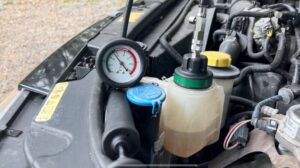
Pour Point Depressants: Enhancing Lubricant Performance
What Are Pour Point Depressants?
Pour Point Depressants (PPDs) are specialized chemical additives used in lubricating oils, fuels, and various industrial fluids to lower their pour point—the lowest temperature at which the fluid remains pourable. As temperatures drop, waxes present in oils start to crystallize and solidify, leading to increased viscosity and potential gelling. This solidification can prevent the oil from flowing, posing a significant risk to the equipment and machinery relying on the lubricant for smooth operation.
PPDs work by inhibiting the formation and growth of these wax crystals, thereby maintaining the fluidity of the oil even in extremely cold conditions. This capability is essential in industries that operate in harsh environments, such as the automotive, marine, and aviation sectors, where machinery must perform reliably regardless of temperature fluctuations.
2. How Do Pour Point Depressants Work?
Crystal Modification Process
Pour point depressants modify the wax crystals by attaching to their surfaces as they form. By doing so, PPDs prevent the crystals from growing large enough to interact with each other and form a solid mass. Instead, the wax remains in a dispersed, fine state, which does not significantly affect the oil’s viscosity. This action is crucial in maintaining the fluidity of the oil and ensuring that it can continue to lubricate moving parts effectively, even in freezing temperatures.
Viscosity Control and Temperature Stability
The presence of PPDs also helps control the viscosity of the oil, which is a measure of its resistance to flow. By preventing the formation of large wax crystals, PPDs maintain the oil’s viscosity within a desirable range, allowing it to flow freely and reach critical components that need lubrication. This is particularly important for ensuring the smooth operation of engines and machinery in cold weather conditions.
3. Applications of Pour Point Depressants
Pour point depressants find application across a wide range of industries, each with specific requirements that necessitate the use of these additives. Below are some of the primary industries where PPDs are indispensable:
a) Automotive Industry
In the automotive industry, the performance and longevity of engines, transmissions, and gear systems heavily depend on the quality of lubricants used. Vehicles often operate in diverse temperature conditions, ranging from the extreme heat of summer to the sub-zero temperatures of winter. Pour point depressants are critical in engine oils, transmission fluids, and gear oils, ensuring that these lubricants remain fluid and effective, even in freezing conditions.
Cold starts can be particularly challenging for engines, as the oil tends to thicken when temperatures drop. PPDs help maintain the oil’s viscosity, ensuring it can circulate quickly upon startup, providing immediate protection to engine components.
b) Marine Industry
The marine industry, with its exposure to cold and harsh environments, also relies heavily on pour point depressants. Ships and other marine vessels often navigate through polar regions where temperatures can plummet to extreme lows. In such conditions, the lubricants used in engines, gear systems, and other critical machinery must remain fluid to prevent mechanical failures.
PPDs in marine oils prevent the solidification of wax, ensuring that the oil flows smoothly through the machinery, reducing wear and tear, and enhancing the longevity of the equipment.
c) Aviation Industry
Aircraft operate at altitudes where temperatures can drop drastically, especially during long-haul flights. The aviation industry requires lubricants that can perform reliably in these extreme conditions. Pour point depressants are used in aviation lubricants and hydraulic fluids to maintain fluidity at low temperatures, ensuring the safety and efficiency of flight operations.
The ability of PPDs to keep fluids operational in cold conditions is crucial for the proper functioning of hydraulic systems, landing gears, and other essential components of an aircraft.
d) Industrial Machinery
In industrial settings, especially in outdoor or cold-weather operations, pour point depressants play a vital role. Heavy machinery used in construction, mining, and other industries often operates in environments where temperatures can drop significantly. In such cases, PPDs in lubricants ensure that the machinery operates smoothly without the risk of oil gelling or solidification.
PPDs also help reduce the energy required to start machines in cold conditions, leading to increased operational efficiency and reduced wear on components.
4. Types of Pour Point Depressants

Several types of pour point depressants are available, each with unique properties suited to different applications and types of oils. The most commonly used PPDs include:
a) Polymethacrylates (PMAs)
Polymethacrylates are versatile and widely used pour point depressants, particularly in automotive lubricants. They are effective in a broad range of temperatures and are known for their ability to reduce the pour point of oils significantly. PMAs work by co-crystallizing with wax molecules, preventing them from growing large enough to hinder the oil’s flow.
b) Styrene Esters
Styrene esters are commonly used in industrial and gear oils. These PPDs are particularly effective in reducing pour points in oils with high paraffin content, where wax crystallization is a significant concern. Styrene esters offer excellent low-temperature performance and are often preferred in applications where thermal stability is critical.
c) Alkylated Naphthalene
Alkylated naphthalene pour point depressants are used in specialized lubricants, particularly in the aviation and aerospace industries, where a high degree of temperature stability is required. These PPDs offer exceptional low-temperature flow properties and are suitable for use in extreme conditions.
d) Olefins Copolymers
Olefins copolymers are highly effective in controlling the formation of wax crystals. They are widely used in both fuels and lubricants, providing excellent pour point depression and viscosity improvement. These PPDs are particularly useful in applications where both low-temperature performance and high-temperature stability are required.
5. Industry Trends and Innovations
As the demand for high-performance lubricants and fuels grows, the pour point depressant market is experiencing significant innovation. Several key trends and developments are shaping the future of PPDs:
a) Eco-Friendly Additives
With the global shift towards sustainability, there is an increasing focus on developing environmentally friendly pour point depressants. These additives are designed to be biodegradable, non-toxic, and have minimal environmental impact. The move towards greener PPDs aligns with stricter environmental regulations and the growing demand for sustainable products in various industries.
b) Nano-Technology Integration
Nanotechnology is being integrated into pour point depressants to enhance their efficiency. Nano-sized additives can interact with wax crystals at a more precise level, leading to better performance at lower dosages. This technology not only improves the effectiveness of PPDs but also reduces the overall cost of using these additives.
c) Customized Solutions
The lubricant and oil industries are increasingly demanding customized solutions tailored to specific applications. Manufacturers are responding by offering pour point depressants that are optimized for particular types of oils and operating conditions. This trend towards customization ensures that the PPDs used are perfectly suited to the unique requirements of the end-user, resulting in better overall performance.
6. Challenges in Using Pour Point Depressants
Despite their numerous benefits, the use of pour point depressants also comes with certain challenges. These challenges need to be carefully managed to ensure the optimal performance of the additives:
a) Compatibility Issues
Not all pour point depressants are compatible with every type of oil. Incompatibility can lead to reduced effectiveness or even adverse reactions, such as sludge formation or loss of fluid properties. It is crucial to select the right PPD for the specific oil type and application to avoid these issues.
b) Cost Considerations
High-quality pour point depressants can be expensive, and their cost-effectiveness needs to be evaluated in the context of the specific application and operating conditions. While PPDs can provide significant benefits, their use must be justified by the value they add in terms of improved performance and protection.
c) Regulatory Compliance
As environmental regulations become stricter, manufacturers must ensure that their pour point depressants comply with the latest standards. This is particularly important concerning the biodegradability and toxicity of the additives. Non-compliance can lead to penalties and restricted market access, making it essential for manufacturers to stay updated with regulatory changes.
7. The Future of Pour Point Depressants
The future of pour point depressants is poised for continued innovation and growth. As industries demand higher performance and greater sustainability, PPDs will evolve to meet these challenges. Key areas of development include:
a) Bio-Based Pour Point Depressants
One of the most promising developments is the creation of bio-based pour point depressants. These additives are derived from renewable sources, making them more environmentally friendly. As sustainability becomes a key focus across industries, the demand for bio-based PPDs is expected to grow.
b) Molecular Engineering
Advances in molecular engineering are allowing for the development of pour point depressants that are tailored at the molecular level for specific applications. This approach enables the creation of highly efficient PPDs that offer superior performance with minimal environmental impact.
c) Enhanced Performance
Research is ongoing to improve the effectiveness of pour point depressants, with a focus on increasing their efficiency while reducing the required dosage. This will make PPDs more cost-effective and allow for their use in a broader range of applications.
Final Thoughts
Pour point depressants are a vital component of modern lubrication and fuel technologies. Their ability to maintain fluidity in cold conditions ensures the reliable operation of machinery across various industries, from automotive and marine to aviation and industrial applications. As technology advances, PPDs will continue to evolve, offering even greater performance and sustainability.
The future of pour point depressants looks promising, with innovations such as bio-based additives, nanotechnology, and customized solutions leading the way. By addressing the challenges associated with their use and embracing the latest trends, the industry can look forward to a new era of efficient, eco-friendly pour point depressants that meet the demands of an increasingly complex world.
FAQs

Radiator Stop Leak UAE: Quick Fix for Vehicle Cooling System Leaks
Radiator Stop Leak UAE: Quick Fix for Vehicle Cooling System Leaks Discover More Introduction: The Unforgiving UAE Climate and Your Vehicle’s Lifeline The United Arab Emirates’ automotive landscape is defined by extremes. Ambient temperatures that regularly surpass 45°C (113°F), coupled with intense urban congestion and long, high-speed desert drives, create a perfect storm of thermal stress for every vehicle. In this environment, your engine cooling system is not merely a subsystem; it is the single most critical component preventing catastrophic engine failure.
What Type of Transmission Oil in UAE Does My Car Need? Your Complete Guide
What Type of Transmission Oil in UAE Does My Car Need? Your Complete Guide Discover More Navigating the vast, sun-baked highways of the United Arab Emirates—from the dynamic urban sprawls of Dubai and Abu Dhabi to the majestic desert dunes and the tranquil mountain passes of the Hajar range—places extraordinary mechanical and thermal stress on every component of your vehicle. While conscientious drivers often prioritize engine oil changes, the vital lifeblood safeguarding the transmission, the complex heart of your car’s

Guide to UAE Turbine Oil Selection Application & Management for Industrial Facilities
Guide to UAE Turbine Oil Selection, Application, and Management for Industrial Facilities Discover More In the hyper-competitive industrial landscape of the United Arab Emirates, where operational excellence directly translates to economic advantage, turbine lubrication represents a critical nexus of reliability engineering and strategic asset management. This comprehensive guide, developed with technical insights from Rumanza Lubricants, provides an unprecedented deep dive into the science, selection criteria, and life-cycle management of turbine oils specifically engineered for the extreme operating conditions of the
Synthetic vs. Mineral Hydraulic Oil in UAE : Which is Best for Your Operation?
Synthetic vs. Mineral Hydraulic Oil in UAE : Which is Best for Your Operation? Discover More Across the dynamic landscape of the United Arab Emirates—from the megaprojects of Dubai Marina to the intricate conveyor systems of Jebel Ali Port, from the massive hydraulic shovels in Al Dhafra quarries to the precision automated lines in Abu Dhabi’s industrial cities—the silent, powerful force of hydraulics is indispensable. These systems convert fluid power into monumental force and precise motion. At the core of
What is a Pour Point Depressant? | Benefits, Uses & How It Works Mechanism
What is a Pour Point Depressant? | Benefits, Uses & How It Works Mechanism Discover More In the intricate world of lubricant formulation, few additives play as critical yet understated a role in cold-weather operability as Pour Point Depressants (PPDs). These specialized chemical compounds are the linchpin that prevents machinery from seizing up when temperatures plummet. This in-depth guide goes beyond the basics, exploring the sophisticated chemistry, detailed mechanism, nuanced benefits, and practical considerations of PPDs. We will also examine the

Guide to Gasoline Engine Oils for UAE’s Extreme Climate: Engineering Peak Performance
Gasoline Engine Oils for UAE’s Extreme Climate: Engineering Peak Performance Discover More In the heart of the Arabian Peninsula, the United Arab Emirates stands as a testament to human ambition, with its engineering marvels and endless highways. Yet, this environment of soaring achievement is also one of the most punishing on Earth for machinery. For your vehicle—whether a nimble city sedan, a powerful family SUV, or a high-performance sports car—the UAE’s climate is a relentless adversary. The choice of engine
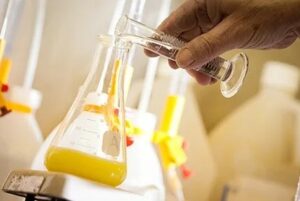
What are Polyol Ester Oils & Lubricants – Properties & Applications
What are Polyol Ester Oils & Lubricants – Properties & Applications Discover More In the intricate world of industrial machinery, automotive engines, and advanced refrigeration systems, the choice of lubricant is not merely a maintenance task—it’s a critical engineering decision. While conventional mineral oils have served us for over a century, the demands of modern technology require fluids that can perform under extreme pressure, temperature, and environmental stress. This is where synthetic lubricants, specifically Polyol Ester oils, come to the forefront.
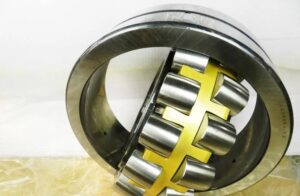
Guide to Choosing the Right Lithium Complex Grease in UAE
Guide to Choosing the Right Lithium Complex Grease in UAE for Unbeatable Performance Discover More In the heart of a region defined by its ambition and extreme climate, the machinery that builds and powers the UAE operates under immense pressure. From the towering cranes sculpting Dubai’s skyline to the massive haul trucks in Abu Dhabi’s industrial zones and the relentless conveyor systems in Jebel Ali Port, every moving part is a critical link in the chain of progress. Protecting these