
Why Neat Cutting Oils Are Essential for Modern Machining

In the realm of modern machining, achieving precision, efficiency, and longevity in tooling and equipment is paramount. Neat cutting oils, also known as straight oils, play a crucial role in enhancing these aspects of machining processes. This comprehensive guide explores why neat cutting oils are indispensable in today’s machining environment.

Understanding Neat Cutting Oils

Neat cutting oils are non-water-soluble oils designed specifically for use in metalworking and machining processes. Unlike soluble oils that mix with water, neat cutting oils remain in a pure, undiluted form. These oils offer a variety of benefits, including superior lubrication, cooling, and protection for both the tool and the workpiece.

Key Benefits of Neat Cutting Oils

1. Enhanced Lubrication

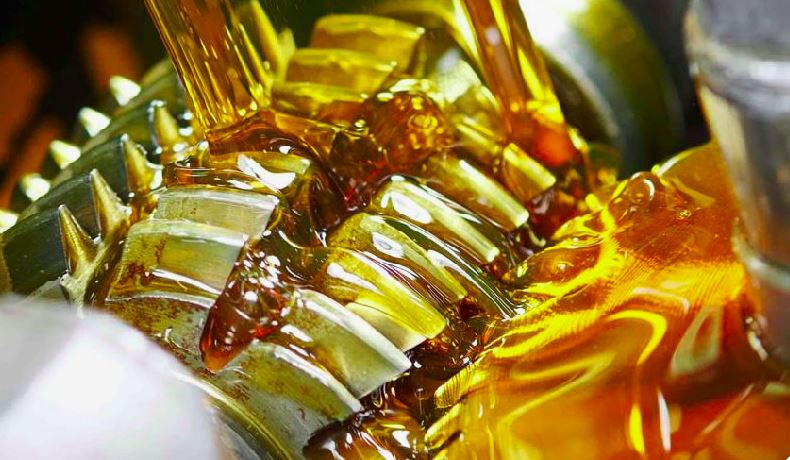
One of the primary advantages of neat cutting oils is their exceptional lubrication properties. These oils create a thin, consistent film between the cutting tool and the workpiece, significantly reducing friction. This minimizes tool wear and extends tool life, leading to improved machining efficiency.

2. Superior Cooling Capabilities

Machining processes generate substantial heat, which can adversely affect the quality of the workpiece and the lifespan of the cutting tool. Neat cutting oils have high thermal conductivity, allowing them to efficiently dissipate heat away from the cutting zone. This cooling effect helps maintain dimensional accuracy and surface finish, crucial for high-precision machining.

3. Improved Surface Finish

Achieving a high-quality surface finish is a critical requirement in modern machining. Neat cutting oils help in producing smooth, defect-free surfaces by reducing the occurrence of tool chatter and vibrations. This results in a superior finish that meets stringent quality standards.

4. Protection Against Corrosion

Metalworking operations expose tools and workpieces to various environmental factors, including moisture and contaminants. Neat cutting oils provide a protective layer that guards against rust and corrosion. This protective film ensures that both the tool and the workpiece remain in optimal condition, even after prolonged use.

5. Reduced Heat Generation

By minimizing friction and efficiently conducting heat away from the cutting zone, neat cutting oils contribute to lower heat generation. This reduction in heat helps prevent thermal distortion of the workpiece and maintains the integrity of the machining process.

Applications of Neat Cutting Oils

Neat cutting oils are versatile and can be used across a wide range of machining operations, including:

  • Turning: Neat cutting oils are highly effective in turning operations, where they aid in achieving smooth cuts and extending tool life.
  • Milling: In milling processes, these oils help in managing the heat generated and enhancing the overall performance of the milling tools.
  • Drilling: The cooling and lubrication properties of neat cutting oils are particularly beneficial in drilling operations, where they reduce friction and prevent tool wear.
  • Grinding: During grinding, neat cutting oils assist in maintaining the accuracy and finish of the workpiece by reducing heat and providing lubrication.

Choosing the Right Neat Cutting Oil

Why Neat Cutting Oils Are Essential for Modern Machining

Selecting the appropriate neat cutting oil for specific machining needs involves considering several factors:

  • Viscosity: The viscosity of the cutting oil affects its ability to provide lubrication and cooling. It is essential to choose an oil with the right viscosity for the intended machining operation.
  • Additives: Neat cutting oils can be formulated with various additives to enhance specific properties, such as extreme pressure (EP) additives for heavy-duty machining or anti-foam additives to prevent foaming.
  • Compatibility: Ensure that the cutting oil is compatible with the materials being machined and the equipment used.

Environmental and Safety Considerations

While neat cutting oils offer numerous benefits, it is important to address environmental and safety concerns associated with their use:

  • Disposal: Proper disposal of used cutting oils is crucial to minimize environmental impact. Follow local regulations and guidelines for the disposal of hazardous materials.
  • Health and Safety: Handling neat cutting oils requires adherence to safety protocols, including the use of personal protective equipment (PPE) to prevent skin contact and inhalation of fumes.

Impact on Machining Efficiency and Cost

The use of neat cutting oils directly affects machining efficiency and cost. Here’s how:

1. Increased Tool Life

By providing superior lubrication and cooling, neat cutting oils help extend the life of cutting tools. This reduces the frequency of tool changes and the associated downtime, leading to increased overall productivity. The extended tool life also contributes to lower operational costs.

2. Reduced Machining Time

Efficient cooling and lubrication help in reducing the time required for machining operations. Neat cutting oils minimize the friction and heat that can slow down the machining process. This results in faster cycle times and improved throughput.

3. Lower Maintenance Costs

Maintaining a clean and efficient machining environment reduces the need for frequent maintenance. Neat cutting oils help in keeping the machinery and equipment in good condition, leading to lower maintenance costs and reduced risk of unexpected breakdowns.

Best Practices for Using Neat Cutting Oils

To maximize the benefits of neat cutting oils, consider implementing the following best practices:

1. Regular Monitoring and Maintenance

Regularly monitor the condition of the cutting oil to ensure its effectiveness. Check for contamination, viscosity changes, and any signs of degradation. Regular maintenance of the oil and the machining equipment helps in maintaining optimal performance.

2. Proper Storage

Store neat cutting oils in a cool, dry place to prevent contamination and degradation. Use appropriate containers and ensure that the storage conditions comply with safety regulations.

3. Safe Handling Procedures

Follow recommended safety procedures when handling neat cutting oils. Use protective equipment such as gloves and goggles, and ensure proper ventilation in the workspace to minimize exposure to fumes.

4. Training and Awareness

Train operators and maintenance personnel on the proper use and handling of neat cutting oils. Awareness of best practices and safety protocols contributes to a safer and more efficient machining environment.

Future Trends and Innovations

Looking ahead, several trends and innovations are likely to shape the future of neat cutting oils and their role in machining:

1. Smart Cutting Fluids

The integration of smart technologies into cutting fluids is an emerging trend. These fluids could incorporate sensors and real-time monitoring systems to optimize performance and adapt to changing machining conditions.

2. Custom Formulations

Customized neat cutting oils tailored to specific machining applications and materials will become more prevalent. Advanced formulations designed for niche applications will offer targeted benefits and enhanced performance.

3. Sustainable Solutions

Sustainability will continue to drive the development of cutting oils. The focus will be on creating products with minimal environmental impact, improved recyclability, and reduced carbon footprint.

Final Thoughts

Neat cutting oils remain a fundamental component of modern machining, providing unparalleled lubrication, cooling, and protection. Their ability to enhance machining efficiency, extend tool life, and improve surface quality makes them indispensable in achieving high precision and productivity. As technology advances, the continuous improvement of neat cutting oils will play a crucial role in meeting the evolving demands of the manufacturing industry.

FAQs

Neat cutting oils enhance machining performance by providing superior lubrication, reducing friction, and cooling the cutting zone. This results in extended tool life, improved surface finish, reduced heat generation, and overall better machining efficiency.
Neat cutting oils are beneficial for various machining operations, including turning, milling, drilling, and grinding. They help in achieving smooth cuts, managing heat, and maintaining the precision and quality of the workpiece.
Selecting the right neat cutting oil involves considering factors such as viscosity, additive technology, and compatibility with the materials being machined. Consult the oil manufacturer’s specifications and match the product to your specific machining requirements.
Neat cutting oils should be stored in a cool, dry place to prevent contamination and degradation. Use appropriate containers and ensure that storage conditions comply with safety regulations.
Extend the life of neat cutting oil by regularly monitoring its condition for contamination and viscosity changes. Perform routine maintenance on the oil and machining equipment, and follow recommended best practices for usage.
Radiator Stop Leak UAE

Radiator Stop Leak UAE: Quick Fix for Vehicle Cooling System Leaks

Radiator Stop Leak UAE: Quick Fix for Vehicle Cooling System Leaks Discover More Introduction: The Unforgiving UAE Climate and Your Vehicle’s Lifeline The United Arab Emirates’ automotive landscape is defined by extremes. Ambient temperatures that regularly surpass 45°C (113°F), coupled with intense urban congestion and long, high-speed desert drives, create a perfect storm of thermal stress for every vehicle. In this environment, your engine cooling system is not merely a subsystem; it is the single most critical component preventing catastrophic engine failure.
Read More »
Transmission Oil in UAE

What Type of Transmission Oil in UAE Does My Car Need? Your Complete Guide

What Type of Transmission Oil in UAE Does My Car Need? Your Complete Guide Discover More Navigating the vast, sun-baked highways of the United Arab Emirates—from the dynamic urban sprawls of Dubai and Abu Dhabi to the majestic desert dunes and the tranquil mountain passes of the Hajar range—places extraordinary mechanical and thermal stress on every component of your vehicle. While conscientious drivers often prioritize engine oil changes, the vital lifeblood safeguarding the transmission, the complex heart of your car’s

Read More »
UAE Turbine Oil

Guide to UAE Turbine Oil Selection Application & Management for Industrial Facilities

Guide to UAE Turbine Oil Selection, Application, and Management for Industrial Facilities Discover More In the hyper-competitive industrial landscape of the United Arab Emirates, where operational excellence directly translates to economic advantage, turbine lubrication represents a critical nexus of reliability engineering and strategic asset management. This comprehensive guide, developed with technical insights from Rumanza Lubricants, provides an unprecedented deep dive into the science, selection criteria, and life-cycle management of turbine oils specifically engineered for the extreme operating conditions of the

Read More »
Hyderolic Oil in UAE

Synthetic vs. Mineral Hydraulic Oil in UAE : Which is Best for Your Operation?

Synthetic vs. Mineral Hydraulic Oil in UAE : Which is Best for Your Operation? Discover More Across the dynamic landscape of the United Arab Emirates—from the megaprojects of Dubai Marina to the intricate conveyor systems of Jebel Ali Port, from the massive hydraulic shovels in Al Dhafra quarries to the precision automated lines in Abu Dhabi’s industrial cities—the silent, powerful force of hydraulics is indispensable. These systems convert fluid power into monumental force and precise motion. At the core of

Read More »
Pour Point Depressant

What is a Pour Point Depressant? | Benefits, Uses & How It Works Mechanism

What is a Pour Point Depressant? | Benefits, Uses & How It Works Mechanism Discover More In the intricate world of lubricant formulation, few additives play as critical yet understated a role in cold-weather operability as Pour Point Depressants (PPDs). These specialized chemical compounds are the linchpin that prevents machinery from seizing up when temperatures plummet. This in-depth guide goes beyond the basics, exploring the sophisticated chemistry, detailed mechanism, nuanced benefits, and practical considerations of PPDs. We will also examine the

Read More »
Gasoline Engine Oils for UAE

Guide to Gasoline Engine Oils for UAE’s Extreme Climate: Engineering Peak Performance

Gasoline Engine Oils for UAE’s Extreme Climate: Engineering Peak Performance Discover More In the heart of the Arabian Peninsula, the United Arab Emirates stands as a testament to human ambition, with its engineering marvels and endless highways. Yet, this environment of soaring achievement is also one of the most punishing on Earth for machinery. For your vehicle—whether a nimble city sedan, a powerful family SUV, or a high-performance sports car—the UAE’s climate is a relentless adversary. The choice of engine

Read More »
Polyol Ester Oils

What are Polyol Ester Oils & Lubricants – Properties & Applications

What are Polyol Ester Oils & Lubricants – Properties & Applications Discover More In the intricate world of industrial machinery, automotive engines, and advanced refrigeration systems, the choice of lubricant is not merely a maintenance task—it’s a critical engineering decision. While conventional mineral oils have served us for over a century, the demands of modern technology require fluids that can perform under extreme pressure, temperature, and environmental stress. This is where synthetic lubricants, specifically Polyol Ester oils, come to the forefront.

Read More »