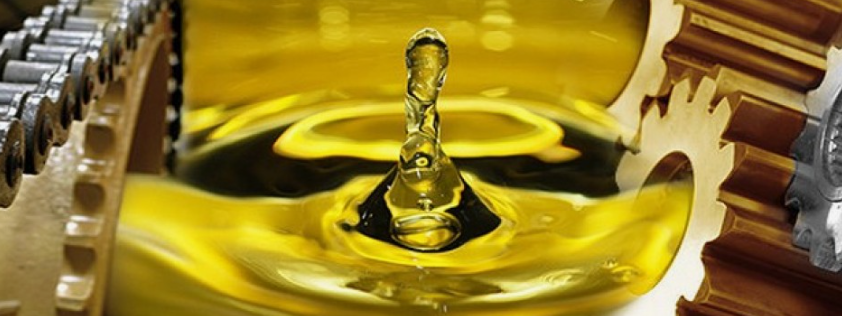
Polyisobutylene oil Lubricants: Enhancing Performance and Efficiency
It is therefore no surprise that in the recent years, full radiance has been experienced for poly isobutylene as it is increasingly being applied within the lubricant industry to enhance performance and achieve better efficiencies. PIB happens to be a versatile polymer used as a necessary ingredient in many lubricating applications – be it from automotive engine oils to industrial lubricants. Its ability to improve viscosity, reduce friction and provide stability makes it an invaluable component in enhancing the efficiency of the lubricant.
What is Polyisobutylene?
Polyisobutylene lubricant is a synthetic rubber, and it comes under the category of a polymer which is derived from the polymerization process of isobutylene. Its molecular weight content varies from low to high which enables it to be designed for specific purposes. Due to its peculiar molecular configuration, PIB appears to be a highly viscous as well as flexible compound with resistance to oxidation, making it ideally suited for incorporation into lubricant formulations.
The Role of Polyisobutylene in Lubricants
Viscosity Variation
Poly isobutylene is mostly utilized as an additive in lubricants because of the characteristic of viscosity variation. It prevents the lubricant from being too much thick or thin under changing temperature conditions. Working as a viscosity index improver, PIB enables lubricants to flow well in low temperatures and stability in high temperatures. This leads to uniform lubrication with a subsequent minor tear that causes protection of the affected parts.
Friction Variation
Is a lubricant that plays a very essential role in friction reduction between moving parts. Its molecular structure enables it to leave a protective film on metal surfaces, thereby its use to maximize contact between metal and minimize wear and tear. This prolongs equipment life and efficiency.
Anti-Foaming Agent
It may be a serious issue with lubricants and results in low efficiency in lubrication. its functions well as an anti-foaming agent as it prevents air bubbles from formation, thus keeping the lubricant on its prime and its efficacy maintained.
Compatibility with other Seals and prevention of leakages into oil systems
Polyisobutylene gasoline additive is very compatible with the different seal materials. That is why it is utilized in different lubricants as it prevents oil leakage, which eliminates the usage of a good lubricant in places that require high performance sealing.
Corrosion Protection
Applications of Polyisobutylene in Lubricants
Polyisobutylene uses Automobile Lubricants
Polyisobutene uses finds extensive application in automotive lubricants, mainly for engine oils, transmission fluids, and gear oils. These formulate higher viscosity; improve economy in fuel; and ensure reduced wear of the engines, making the engine to run more smoothly.
polyisobutylene uses Industrial Lubricants
In industrial applications, poly isobutylene is applied in lubrication of compressors, hydraulic systems and machinery. It diminishes friction as well as wearing, hence reduces stress conditions and cost of maintenance.
Polyisobutylene uses In Greases
Another essential component in grease formulation is polyisobutylene. It adds its tackiness and cohesion, rendering the lubricant satisfactory performance to most the numerous applications involving long-lasting lubrication such as bearings and joints.
Adhesives and Tackifiers
In other applications, poly isobutylene has been formulated as a tackifier in lubricants. This also makes them tacky for lubricants. Meaning they stick, hold in place in extreme conditions, such as high temperatures or heavy loads.
Two-Stroke Engine Oils
Poly isobutylene is used in two-stroke engine oils, since it provides smoke-reducing capacity thereby enhancing lubricity to protect the wear of the engine’s components.
Polyisobutylene Applications in Lubricants

Better Viscosity Control
Its has good viscosity control. Lubricants incorporating this polymer will ensure optimal performance within a very broad temperature range. It is very useful for extreme-temperature fluctuation applications, such as those in the automotive engines and heavy industry.
Better Oxidation Stability
It has a very high resistance to oxidation, preventing the lubricant from degrading under elevated temperatures and pressure. This leads to a longer life lubricant and, therefore, less frequent change of oil.
Excellent Anti-Wear Protection
The molecular structure of poly isobutylene allows it to form a protective film on metal surfaces as well as reduce wear and tear brought about by friction. The lifecycle of equipment will be longer and require less maintenance.
Less Environmental Impact
A non-toxic and biodegradable and, therefore, an environmentally friendly lubricant with an environmentally responsive formulation. The polymer within the lubricant reduces harmful emissions while encouraging sustainability.
Economically Viable
With the ability to improve the efficiency and life of lubricants, poly isobutylene has proven also to be a somewhat cost-effective product for various different industries. It cuts down on the number of oil changes often required in a plant or machine, saves on upkeep costs, and stretches the life out of equipment and machinery.
Challenges and Limitations of Polyisobutylene in Lubricants
Although poly isobutylene enjoys a host of advantages, there are couple of disadvantages associated with use in lubricants:
Poor Solubility
These shows poor solubility in some base oils, thereby impairing its overall performance in some lubricant composition. It is sometimes blended with some other additives to obtain desired properties.
Temperature Sensitivity
While poly isobutylene provides good viscosity improvement, it does not operate well in conditions of excessive temperature. This makes it inappropriate for employment in high-temperature lubricants on all occasions.
Combination problems
Sometimes fails to interact well with other additives being used to formulate a lubricant and requires much attention and testing before its use to ensure optimum performance.
Recent Innovations in Polyisobutylene Properties
High Molecular Weight (HMW PIB)
Concerning polymer technology, the technology gave rise to high molecular weight. High Molecular-Weight PIB provides better performance in lubricants. It’s an improvement in terms of viscosity modification and friction reduction as well as better wear protection compared to low molecular weight PIB. As such, it is best suited for demanding applications.
Bio-Based
Bio-based poly isobutylene has only recently entered the spotlight of attention, largely in recent years as awareness for sustainability grows. Used as an alternative sourced from renewable resources, this bio-based PIB provides similar performance advantages with less environmental impact.
Dispersant Additives
These are dispersant additives improved the efficiency of lubricants even more; the additives enhance lubricants to disperse contaminants and prevent sludge formation thus ensuring clean and efficient operation.
Future Trends and the Role of Polyisobutylene in Lubricants
Since polyisobutylene (pib) is still under research and development to upgrade its performance as well as the possibilities for its application, promising future perspectives are in store for it in lubricants. As efficiency, sustainability, and cost-effectiveness are being emphasized in more industries, They will likely be part of the future evolution of lubricants.
Potential Future Trends May Include
More use in electric vehicle lubricants Lubricants are likely to advance significantly as electric vehicles spread. As it is going to increase viscosity, decrease friction and improve efficiency, it’s one of the promising candidates in electric vehicle lubricants.
- More thrust towards Sustainability: Bio-based poly isobutylene and other sustainable alternatives are likely to find more significance in the lubricant industry due to this growing trend toward eco-friendly solutions.
- Better Compatibility with Synthetic Lubricants: The future for PIB use within synthetic lubricants will be bright when synthetic lubricants become more prevalent.
Final Thoughts
Poly isobutylene has turned out to be a more important additive that engenders lubricating product performance, efficiency, and service life. Its contribution to modifying viscosity, reducing friction, and eliminating wear makes it suitable for an enormous scope of uses, from automotive to industrial lubricants. With new technological developments still proceeding in the trend of the industry, the role of poly isobutylene becomes very important.
FAQs

Radiator Stop Leak UAE: Quick Fix for Vehicle Cooling System Leaks
Radiator Stop Leak UAE: Quick Fix for Vehicle Cooling System Leaks Discover More Introduction: The Unforgiving UAE Climate and Your Vehicle’s Lifeline The United Arab Emirates’ automotive landscape is defined by extremes. Ambient temperatures that regularly surpass 45°C (113°F), coupled with intense urban congestion and long, high-speed desert drives, create a perfect storm of thermal stress for every vehicle. In this environment, your engine cooling system is not merely a subsystem; it is the single most critical component preventing catastrophic engine failure.
What Type of Transmission Oil in UAE Does My Car Need? Your Complete Guide
What Type of Transmission Oil in UAE Does My Car Need? Your Complete Guide Discover More Navigating the vast, sun-baked highways of the United Arab Emirates—from the dynamic urban sprawls of Dubai and Abu Dhabi to the majestic desert dunes and the tranquil mountain passes of the Hajar range—places extraordinary mechanical and thermal stress on every component of your vehicle. While conscientious drivers often prioritize engine oil changes, the vital lifeblood safeguarding the transmission, the complex heart of your car’s

Guide to UAE Turbine Oil Selection Application & Management for Industrial Facilities
Guide to UAE Turbine Oil Selection, Application, and Management for Industrial Facilities Discover More In the hyper-competitive industrial landscape of the United Arab Emirates, where operational excellence directly translates to economic advantage, turbine lubrication represents a critical nexus of reliability engineering and strategic asset management. This comprehensive guide, developed with technical insights from Rumanza Lubricants, provides an unprecedented deep dive into the science, selection criteria, and life-cycle management of turbine oils specifically engineered for the extreme operating conditions of the

Synthetic vs. Mineral Hydraulic Oil in UAE : Which is Best for Your Operation?
Synthetic vs. Mineral Hydraulic Oil in UAE : Which is Best for Your Operation? Discover More Across the dynamic landscape of the United Arab Emirates—from the megaprojects of Dubai Marina to the intricate conveyor systems of Jebel Ali Port, from the massive hydraulic shovels in Al Dhafra quarries to the precision automated lines in Abu Dhabi’s industrial cities—the silent, powerful force of hydraulics is indispensable. These systems convert fluid power into monumental force and precise motion. At the core of

What is a Pour Point Depressant? | Benefits, Uses & How It Works Mechanism
What is a Pour Point Depressant? | Benefits, Uses & How It Works Mechanism Discover More In the intricate world of lubricant formulation, few additives play as critical yet understated a role in cold-weather operability as Pour Point Depressants (PPDs). These specialized chemical compounds are the linchpin that prevents machinery from seizing up when temperatures plummet. This in-depth guide goes beyond the basics, exploring the sophisticated chemistry, detailed mechanism, nuanced benefits, and practical considerations of PPDs. We will also examine the

Guide to Gasoline Engine Oils for UAE’s Extreme Climate: Engineering Peak Performance
Gasoline Engine Oils for UAE’s Extreme Climate: Engineering Peak Performance Discover More In the heart of the Arabian Peninsula, the United Arab Emirates stands as a testament to human ambition, with its engineering marvels and endless highways. Yet, this environment of soaring achievement is also one of the most punishing on Earth for machinery. For your vehicle—whether a nimble city sedan, a powerful family SUV, or a high-performance sports car—the UAE’s climate is a relentless adversary. The choice of engine
What are Polyol Ester Oils & Lubricants – Properties & Applications
What are Polyol Ester Oils & Lubricants – Properties & Applications Discover More In the intricate world of industrial machinery, automotive engines, and advanced refrigeration systems, the choice of lubricant is not merely a maintenance task—it’s a critical engineering decision. While conventional mineral oils have served us for over a century, the demands of modern technology require fluids that can perform under extreme pressure, temperature, and environmental stress. This is where synthetic lubricants, specifically Polyol Ester oils, come to the forefront.
Guide to Choosing the Right Lithium Complex Grease in UAE
Guide to Choosing the Right Lithium Complex Grease in UAE for Unbeatable Performance Discover More In the heart of a region defined by its ambition and extreme climate, the machinery that builds and powers the UAE operates under immense pressure. From the towering cranes sculpting Dubai’s skyline to the massive haul trucks in Abu Dhabi’s industrial zones and the relentless conveyor systems in Jebel Ali Port, every moving part is a critical link in the chain of progress. Protecting these