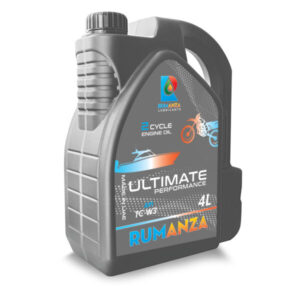
Choosing the Right Rumanza 2 Stroke TC-W3 Oil for Your Needs
Understanding TC-W3 Certification: Why It’s Crucial for Your Engine
The TC-W3 standard, established by the National Marine Manufacturers Association (NMMA), is the highest performance rating for 2-stroke marine oils. But what does this certification actually mean for your engine?
Key Performance Tests for TC-W3 Certification
To earn TC-W3 approval, oils must pass rigorous testing, including:
Lubricity Test – Measures protection against piston scuffing and ring wear.
Detergency Test – Evaluates ability to prevent carbon deposits and sludge.
Rust & Corrosion Test – Ensures protection in humid/saltwater environments.
Smoke & Emissions Test – Confirms low pollution output for environmental compliance.
Why Rumanza TC-W3 Oil Stands Out:
Superior film strength to prevent metal-to-metal contact.
Advanced detergent additives to keep pistons and rings clean.
Low-ash formulation to reduce spark plug fouling.
TC-W3 vs. Other Standards (TC-WII, JASO, API)
TC-WII (Older Standard) – Lacks the advanced detergency and rust protection of TC-W3.
JASO-FB/FC (Motorcycle Oils) – Not optimized for marine use; may fail in water-cooled engines.
API-TC (General 2-Stroke Oil) – No specific marine protection; risk of corrosion.
Bottom Line: If your engine requires TC-W3, using a non-certified oil can lead to premature wear, carbon buildup, or even engine seizure.
Rumanza’s TC-W3 Oil Lineup: Which One is Right for You?
Rumanza offers three primary formulations, each designed for different engine types and operating conditions.
A. Mineral-Based Rumanza TC-W3 Oil
Best for: Older 2-stroke engines, low-RPM applications, budget-conscious users.
Technical Breakdown:
Base Oil: Refined petroleum with basic additives.
Viscosity: Stable across moderate temperatures.
Additives: Standard detergents and anti-wear agents.
Pros:
✔ Cost-effective
✔ Good lubrication for standard engines
Cons:
✖ More smoke and deposits than synthetics
✖ Less stable in extreme temperatures
Ideal Applications:
Vintage outboard motors
Small garden tools (weed trimmers, chainsaws)
B. Semi-Synthetic Rumanza TC-W3 Oil
Best for: Mixed-use engines (marine + recreational), moderate performance demands.
Technical Breakdown:
Base Oil: Blend of mineral and synthetic hydrocarbons.
Viscosity: Improved cold-start performance.
Additives: Enhanced detergents, anti-oxidants, and corrosion inhibitors.
Pros:
✔ Better cleanliness than mineral oil
✔ Reduced smoke and deposits
✔ Good value for performance
Cons:
✖ Slightly more expensive than pure mineral oil
Ideal Applications:
Mid-range outboard motors
Dirt bikes and ATVs
Snowmobiles
C. Full Synthetic Rumanza TC-W3 Oil
Best for: High-performance engines, extreme conditions, racing.
Technical Breakdown:
Base Oil: 100% synthetic hydrocarbons (PAO or ester-based).
Viscosity: Ultra-stable at high RPMs and temperatures.
Additives: Premium anti-wear (ZDDP), advanced detergents, and water-repellent agents.
Pros:
✔ Maximum engine protection
✔ Minimal carbon buildup
✔ Excellent cold-weather flow
Cons:
✖ Highest cost (but extends engine life)
Ideal Applications:
High-performance marine engines (e.g., racing boats)
Competition motorcycles
Turbocharged 2-stroke engines
How to Choose the Best Rumanza Oil for Your Engine
Step 1: Check Your Engine Manual
Look for TC-W3 compliance requirement.
Verify the recommended oil type (mineral, semi-synthetic, or full synthetic).
Step 2: Consider Your Operating Conditions
| Condition | Best Rumanza Oil Choice |
|---|---|
| Saltwater Use | Full Synthetic (best corrosion resistance) |
| Cold Weather | Full or Semi-Synthetic (better flow) |
| High RPM / Racing | Full Synthetic (best heat resistance) |
| Older / Low-Compression Engines | Mineral (cost-effective) |
Step 3: Mixing Ratios – Getting It Right
Most engines use 50:1 (fuel to oil) but check your manual.
Too much oil = Excessive smoke, spark plug fouling.
Too little oil = Engine seizure, piston damage.
Pro Tip: Use a mixing bottle for accuracy.
Advanced Considerations: Additives, Viscosity, and Environmental Impact
A. Additive Packages in Rumanza Oils
Anti-Wear Additives (ZDDP) – Protects piston rings and bearings.
Detergents – Prevent carbon deposits.
Dispersants – Keep contaminants suspended in oil.
Corrosion Inhibitors – Essential for marine engines.
B. Viscosity & Temperature Stability
Mineral oils thicken in cold weather.
Synthetics maintain flow in extreme temps.
C. Environmental & Regulatory Compliance
Low-ash formulas reduce pollution.
Biodegradable options available for eco-sensitive areas.
5. Common Mistakes to Avoid
❌ Using Automotive Oil in 2-Stroke Engines (Lacks proper additives)
❌ Ignoring Mix Ratios (Leads to engine damage)
❌ Using Old/Contaminated Oil (Loses lubricity over time)
Final Recommendation: Which Rumanza TC-W3 Oil Should You Buy?
| Engine Type | Recommended Rumanza Oil |
|---|---|
| Older Marine Engines | Mineral TC-W3 |
| Recreational (ATVs, Dirt Bikes) | Semi-Synthetic TC-W3 |
| High-Performance / Racing | Full Synthetic TC-W3 |
| Saltwater / Extreme Conditions | Full Synthetic TC-W3 |
Final Thoughts
Choosing the right Rumanza 2-stroke TC-W3 oil ensures peak performance, reduced maintenance, and longer engine life. By considering engine type, operating conditions, and oil formulation, you can make an informed decision that maximizes reliability.
Always follow manufacturer guidelines, use proper mixing ratios, and prioritize quality lubrication. Your engine will thank you!
FAQs

Radiator Stop Leak UAE: Quick Fix for Vehicle Cooling System Leaks
Radiator Stop Leak UAE: Quick Fix for Vehicle Cooling System Leaks Discover More Introduction: The Unforgiving UAE Climate and Your Vehicle’s Lifeline The United Arab Emirates’ automotive landscape is defined by extremes. Ambient temperatures that regularly surpass 45°C (113°F), coupled with intense urban congestion and long, high-speed desert drives, create a perfect storm of thermal stress for every vehicle. In this environment, your engine cooling system is not merely a subsystem; it is the single most critical component preventing catastrophic engine failure.
What Type of Transmission Oil in UAE Does My Car Need? Your Complete Guide
What Type of Transmission Oil in UAE Does My Car Need? Your Complete Guide Discover More Navigating the vast, sun-baked highways of the United Arab Emirates—from the dynamic urban sprawls of Dubai and Abu Dhabi to the majestic desert dunes and the tranquil mountain passes of the Hajar range—places extraordinary mechanical and thermal stress on every component of your vehicle. While conscientious drivers often prioritize engine oil changes, the vital lifeblood safeguarding the transmission, the complex heart of your car’s

Guide to UAE Turbine Oil Selection Application & Management for Industrial Facilities
Guide to UAE Turbine Oil Selection, Application, and Management for Industrial Facilities Discover More In the hyper-competitive industrial landscape of the United Arab Emirates, where operational excellence directly translates to economic advantage, turbine lubrication represents a critical nexus of reliability engineering and strategic asset management. This comprehensive guide, developed with technical insights from Rumanza Lubricants, provides an unprecedented deep dive into the science, selection criteria, and life-cycle management of turbine oils specifically engineered for the extreme operating conditions of the

Synthetic vs. Mineral Hydraulic Oil in UAE : Which is Best for Your Operation?
Synthetic vs. Mineral Hydraulic Oil in UAE : Which is Best for Your Operation? Discover More Across the dynamic landscape of the United Arab Emirates—from the megaprojects of Dubai Marina to the intricate conveyor systems of Jebel Ali Port, from the massive hydraulic shovels in Al Dhafra quarries to the precision automated lines in Abu Dhabi’s industrial cities—the silent, powerful force of hydraulics is indispensable. These systems convert fluid power into monumental force and precise motion. At the core of

What is a Pour Point Depressant? | Benefits, Uses & How It Works Mechanism
What is a Pour Point Depressant? | Benefits, Uses & How It Works Mechanism Discover More In the intricate world of lubricant formulation, few additives play as critical yet understated a role in cold-weather operability as Pour Point Depressants (PPDs). These specialized chemical compounds are the linchpin that prevents machinery from seizing up when temperatures plummet. This in-depth guide goes beyond the basics, exploring the sophisticated chemistry, detailed mechanism, nuanced benefits, and practical considerations of PPDs. We will also examine the

Guide to Gasoline Engine Oils for UAE’s Extreme Climate: Engineering Peak Performance
Gasoline Engine Oils for UAE’s Extreme Climate: Engineering Peak Performance Discover More In the heart of the Arabian Peninsula, the United Arab Emirates stands as a testament to human ambition, with its engineering marvels and endless highways. Yet, this environment of soaring achievement is also one of the most punishing on Earth for machinery. For your vehicle—whether a nimble city sedan, a powerful family SUV, or a high-performance sports car—the UAE’s climate is a relentless adversary. The choice of engine

What are Polyol Ester Oils & Lubricants – Properties & Applications
What are Polyol Ester Oils & Lubricants – Properties & Applications Discover More In the intricate world of industrial machinery, automotive engines, and advanced refrigeration systems, the choice of lubricant is not merely a maintenance task—it’s a critical engineering decision. While conventional mineral oils have served us for over a century, the demands of modern technology require fluids that can perform under extreme pressure, temperature, and environmental stress. This is where synthetic lubricants, specifically Polyol Ester oils, come to the forefront.