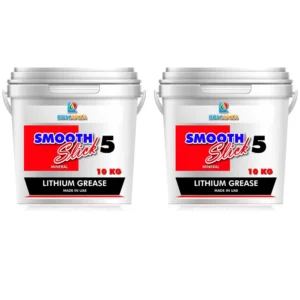

Grease Oil Guide: Types, Applications, Uses, and Benefits

Grease oil is one of the most versatile and essential lubricants used across industries. Its unique semi-solid consistency, combined with its ability to adhere to surfaces, makes it indispensable for reducing friction, preventing wear, and extending the life of machinery. This comprehensive guide will explore the types of grease oil, their applications, uses, and benefits, while also delving into the latest advancements in grease technology and best practices for selection and maintenance.

What is Grease Oil?

Grease oil is a semi-solid lubricant made up of three primary components: Base Oil: The primary lubricating agent, which can be mineral oil, synthetic oil, or vegetable oil. The base oil determines the grease’s viscosity and lubrication properties. Thickener: A substance that gives grease its semi-solid consistency. Common thickeners include lithium, calcium, polyurea, and aluminum complex. Additives: Chemicals added to enhance performance, such as anti-oxidants, anti-wear agents, rust inhibitors, and extreme pressure (EP) additives. Unlike liquid oils, grease oil is designed to stay in place, making it ideal for applications where continuous lubrication is required but reapplication is difficult.

Types of Grease Oil

Understanding the different types of grease oil is crucial for selecting the right product for your specific needs. Here’s an in-depth look at the most common types:

1. Lithium-Based Grease

  • Properties: Lithium-based grease is known for its excellent water resistance, good thermal stability, and versatility. It can withstand moderate to high temperatures and is suitable for a wide range of applications.

  • Applications: Widely used in automotive chassis, industrial machinery, and household appliances. Lithium complex greases are particularly popular for their enhanced performance in high-temperature and high-load conditions.

2. Calcium-Based Grease

  • Properties: Calcium-based grease offers superior water resistance and adhesion, making it ideal for wet or humid environments. It also has good mechanical stability and anti-corrosion properties.
  • Applications: Commonly used in marine equipment, agricultural machinery, and food processing plants. Calcium sulfonate grease, a subtype, is highly valued for its extreme pressure (EP) and anti-rust capabilities.

3. Polyurea Grease

  • Properties: Polyurea grease is known for its high thermal stability, oxidation resistance, and long service life. It is also non-conductive, making it suitable for electric motor bearings.

  • Applications: Ideal for sealed-for-life applications, high-speed machinery, and electric motor bearings. Its ability to resist oxidation and maintain performance over time makes it a cost-effective choice for many industries.

4. Silicone Grease

  • Properties: Silicone grease has a wide temperature range, chemical inertness, and compatibility with plastics and rubber. It is also water-resistant and non-conductive.

  • Applications: Used in O-rings, gaskets, rubber components, and electrical connectors. It is also popular in applications requiring non-reactive lubricants, such as medical devices and laboratory equipment.

5. Aluminum Complex Grease

  • Properties: Aluminum complex grease offers excellent extreme pressure (EP) properties, corrosion resistance, and thermal stability. It is also highly adhesive, making it suitable for heavy-duty applications.

  • Applications: Commonly used in steel mills, mining equipment, and heavy-duty industrial machinery. Its ability to withstand high loads and harsh environments makes it a preferred choice for demanding applications.

6. Bentonite Grease

  • Properties: Bentonite grease, made from clay thickeners, has a high dropping point and excellent thermal stability. It does not melt at high temperatures, making it ideal for extreme heat conditions.

  • Applications: Used in ovens, kilns, and high-temperature industrial processes. It is also suitable for applications where traditional grease would break down due to heat.

Applications of Grease Oil

Grease oil is used in a wide range of industries due to its versatility and effectiveness. Here’s a detailed look at its applications:

1. Automotive Industry

  • Uses: Lubricating wheel bearings, chassis components, universal joints, and suspension systems.

  • Benefits: Reduces friction, prevents corrosion, and extends the lifespan of vehicle components. High-performance greases also improve fuel efficiency by reducing energy loss due to friction.

2. Industrial Machinery

  • Uses: Lubricating gears, bearings, chains, and other moving parts in manufacturing plants and factories.

  • Benefits: Enhances operational efficiency, reduces downtime, and minimizes wear and tear on equipment.

3. Marine Industry

  • Uses: Protecting equipment from saltwater corrosion, lubricating winches, cables, and deck machinery.

  • Benefits: Ensures reliable performance in harsh marine environments and extends the life of marine equipment.

4. Aerospace Industry

  • Uses: Lubricating aircraft landing gear, actuators, control systems, and other critical components.

  • Benefits: Withstands extreme temperatures and pressures, ensuring the safety and reliability of aircraft systems.

5. Food Processing Industry

  • Uses: Lubricating equipment in food production lines, such as mixers, conveyors, and packaging machines.

  • Benefits: Safe for incidental food contact and compliant with health regulations, ensuring the safety and quality of food products.

Uses of Grease Oil

Grease oil serves multiple purposes across various sectors. Here are some common uses:

  1. Reducing Friction: Minimizes wear and tear between moving parts, improving efficiency and longevity.

  2. Preventing Corrosion: Forms a protective barrier against moisture and contaminants, reducing the risk of rust and corrosion.

  3. Sealing Out Contaminants: Keeps dirt, dust, and debris away from critical components, maintaining cleanliness and performance.

  4. Dampening Noise: Reduces operational noise in machinery, creating a quieter working environment.

  5. Extending Equipment Life: Enhances the durability and performance of mechanical systems, reducing maintenance costs.

Benefits of Grease Oil

The benefits of grease oil make it a preferred choice for lubrication in many industries. Here are the key advantages:

  1. Long-Lasting Lubrication: Grease oil adheres to surfaces, providing continuous lubrication over extended periods.

  2. Versatility: Suitable for a wide range of temperatures, pressures, and environments.

  3. Cost-Effectiveness: Reduces maintenance costs by minimizing equipment wear and downtime.

  4. Environmental Resistance: Performs well in wet, dusty, or corrosive conditions.

  5. Enhanced Safety: Reduces the risk of mechanical failures and accidents, ensuring safe and reliable operations.

Latest Trends in Grease Oil Technology

The grease oil industry is constantly evolving to meet the demands of modern machinery and environmental regulations. Here are some latest trends:

  1. Bio-Based Greases: Made from renewable resources, these greases are eco-friendly and biodegradable, reducing environmental impact.

  2. High-Performance Synthetic Greases: Designed for extreme conditions, such as high temperatures and heavy loads, offering superior performance and longevity.

  3. Smart Greases: Embedded with sensors to monitor lubrication levels and equipment health in real-time, enabling predictive maintenance.

  4. Nanotechnology: Incorporates nanoparticles to enhance lubrication properties and reduce friction at the molecular level, improving efficiency and performance.

How to Choose the Right Grease Oil

Selecting the appropriate grease oil depends on several factors:

  1. Operating Conditions: Consider temperature, pressure, and environmental factors.

  2. Equipment Requirements: Check the manufacturer’s recommendations for compatibility and performance.

  3. Compatibility: Ensure the grease is compatible with other lubricants and materials used in your equipment.

  4. Performance Additives: Look for additives that address specific challenges, such as extreme pressure or corrosion resistance.

Maintenance Tips for Grease Oil

Proper maintenance is essential to maximize the benefits of grease oil. Here are some tips:

  1. Regular Reapplication: Follow the manufacturer’s guidelines for reapplication intervals.

  2. Clean Equipment: Remove old grease and contaminants before applying new grease.

  3. Monitor Performance: Check for signs of wear, noise, or overheating, which may indicate inadequate lubrication.

  4. Store Properly: Keep grease in a cool, dry place to prevent degradation.

Final Thoughts

Grease oil is a vital component in maintaining the efficiency and longevity of machinery across industries. By understanding the types, applications, uses, and benefits of grease oil, you can make informed decisions to optimize your equipment’s performance. Stay updated with the latest advancements in grease technology to ensure your operations remain efficient, cost-effective, and environmentally friendly. Whether you’re in the automotive, industrial, marine, or aerospace sector, choosing the right grease oil is essential for achieving peak performance and reliability. With this guide, you’re now equipped with the knowledge to navigate the world of grease oil confidently.

FAQs

Mixing greases with different thickeners or base oils can reduce performance and cause compatibility issues. Always consult the manufacturer’s guidelines before mixing.

The reapplication interval depends on the operating conditions and equipment type. Follow the manufacturer’s recommendations or monitor equipment performance for signs of wear.
Synthetic greases, such as polyurea or aluminum complex greases, are ideal for high-temperature applications due to their thermal stability.
Most grease oils have a shelf life of 1-2 years when stored properly in a cool, dry place. Check the manufacturer’s label for specific details.
Signs include increased noise, overheating, or visible wear on moving parts. Regular maintenance schedules can also help determine when grease is needed.
Best CNG Engine Oil in UAE for Cars

Best CNG Engine Oil in UAE for Cars – Protect Your CNG Engine

Best CNG Engine Oil in UAE for Cars – Protect Your CNG Engine Discover More The automotive landscape in the UAE is undergoing a quiet revolution. As fuel prices fluctuate and environmental consciousness grows, more and more drivers are making the intelligent switch to Compressed Natural Gas (CNG). CNG-powered cars offer significant cost savings on fuel and produce fewer emissions, making them an economically and ecologically sound choice. However, this transition comes with a critical responsibility: understanding that a CNG

Read More »
Calcium Sulphonate Grease UAE

Calcium Sulphonate Grease UAE | High-Temperature Grease

Calcium Sulphonate Grease UAE | High-Temperature Grease Discover More Introduction: The Unforgiving Demands of UAE Industry The United Arab Emirates stands as a global titan of industry and infrastructure. From the sprawling metallurgical plants in Mussafah and the massive port operations of Jebel Ali to the relentless pace of construction shaping Dubai’s skyline and the vast logistics hubs of Al Ain, the machinery that powers this nation operates under extreme duress. Soaring ambient temperatures that regularly exceed 45°C, pervasive dust

Read More »
rubber process oil

What is Rubber Process Oil? | Guide to Applications, Benefits, and Selection

What is Rubber Process Oil? | Guide to Applications, Benefits, and Selection Discover More In the sophisticated ecosystem of rubber manufacturing, raw polymers are the canvas, but rubber process oil is the essential medium that brings the masterpiece to life. It is the critical component that transforms rigid, unworkable raw materials into the versatile, durable, and high-performance rubber products that define modern industry and daily convenience. For specialists dedicated to chemical innovation and precision, such as the team at Rumanza Lubricants, the science

Read More »
UAE Lubricants manufacturers

Which UAE Lubricants manufacturers is Best for High-Mileage Engines?

Which UAE Lubricants manufacturers is Best for High-Mileage Engines? Discover More The sprawling deserts and bustling metropolises of the United Arab Emirates present a uniquely demanding environment for vehicles, pushing engine lubrication technology to its absolute limits. From the scorching summer heat that can cause conventional oils to thin out and lose protective properties, to the endless stop-start traffic of cities like Dubai and Abu Dhabi that promotes sludge and acidic buildup, our cars endure a severe service regimen unlike

Read More »
What Vehicles Use Kerasene

What Vehicles Use Kerasene? A Comprehensive Guide

What Vehicles Use Kerasene? A Comprehensive Guide to Fueling Beyond Gasoline Discover More When we think of vehicle fuel, gasoline and diesel immediately come to mind. They are the lifeblood of our daily commutes, the power behind the trucks that deliver our goods, and the standard by which we measure automotive progress. But venture beyond the everyday, into the realms of high-altitude aviation, rugged agricultural machinery, and groundbreaking space exploration, and you’ll discover a different, equally vital fuel that operates

Read More »
Antioxidant Additives in UAE

How To Chose Antioxidant Additives in UAE | Industrial Grade Chemicals?

How To Chose Antioxidant Additives in UAE | Industrial Grade Chemicals? Discover More In the heart of a rapidly industrializing region, the United Arab Emirates stands as a beacon of manufacturing, logistics, and heavy industry. From the sprawling automotive workshops of Dubai to the massive petrochemical complexes in Ruwais, the performance and longevity of machinery are paramount. At the core of this operational excellence lies a critical, yet often overlooked, component: industrial lubricants and fluids. These lifeblood substances are constantly

Read More »
Viscosity Index Improvers UAE

Viscosity Index Improvers UAE – Improve Lubricant Performance

Viscosity Index Improvers UAE – Improve Lubricant Performance Discover More In the heart of the United Arab Emirates, where ambition is matched only by the scale of its infrastructure, the machinery that builds and powers the nation faces a relentless adversary: the climate. The combination of extreme heat, temperature volatility, abrasive dust, and intense UV radiation creates a perfect storm of conditions that relentlessly attack the lifeblood of all mechanical systems—the lubricant. For maintenance managers, plant operators, and fleet owners,

Read More »
Compressor Oils UAE

Compressor Oils UAE | Lubricants for Air Compressors

Compressor Oils UAE | Lubricants for Air Compressors Discover More In the relentless engine of the UAE’s economy, where ambition is matched only by the scale of its construction and industry, air compressors are the indispensable workhorses. They are the silent force driving the pneumatic tools that build our skylines, the automated machinery in our factories, the climate control systems in our buildings, and even the processes in oil and gas refineries. Yet, within these critical machines, a component often

Read More »