Guide to Choosing Automotive Engine Oil UAE For Vehicle

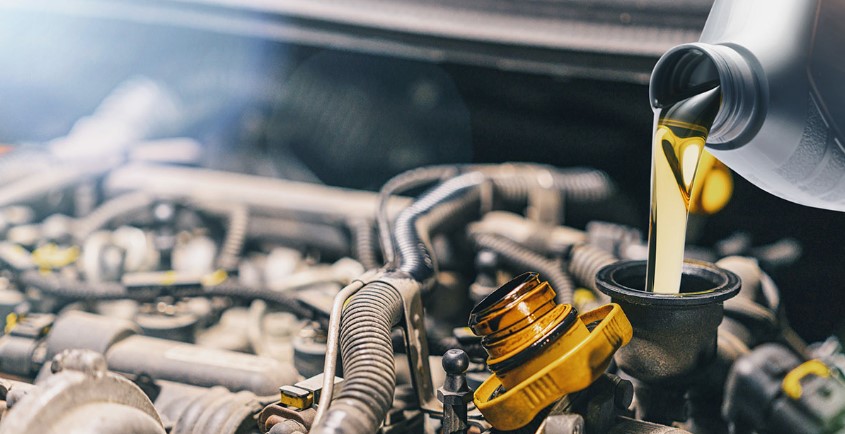
Selecting the right engine oil is crucial for ensuring the longevity and performance of your vehicle. With various types of engine oils available in the market, each tailored to specific engine types and driving conditions, understanding what suits your vehicle can seem challenging. This comprehensive guide will help you navigate through the maze of automotive engine oils and make an informed decision.

Ensuring the health and longevity of your vehicle starts with using the right engine oil. This guide simplifies the process and explores the essential factors and products to consider when choosing automotive engine oil, including specific recommendations like 2-stroke oil, ATF, CNG engine oil, CVTs, diesel engine oil, passenger car motor oil, gear oil, and hydraulic oil.

Understanding the Importance of Engine Oil

Engine oil plays a crucial role in your vehicle’s operation. Its primary functions include:

  • Lubrication: Reducing friction between moving parts.

  • Cooling: Preventing overheating by dissipating heat.

  • Cleaning: Removing contaminants and preventing sludge formation.

  • Sealing: Enhancing sealing properties in engines.

  • Protection: Safeguarding against rust and corrosion.

Selecting the right oil ensures your engine performs efficiently and minimizes wear and tear, ultimately extending its lifespan.

Key Factors to Consider When Choosing Engine Oil

1. Viscosity Grade

The viscosity grade, such as SAE 10W-40, indicates how thick or thin the oil is at different temperatures. Always consult your vehicle’s owner’s manual to select the correct grade for optimal performance.

2. Oil Type

There are three main types of engine oils:

  • Mineral Oil: Derived from refining crude oil, suitable for older engines or low-mileage vehicles.

  • Synthetic Oil: Engineered for high performance, offering better temperature resilience and engine protection.

  • Semi-Synthetic Oil: A blend of mineral and synthetic oils, balancing cost and performance.

3. Additives

Oil additives enhance performance by preventing sludge, reducing friction, and combating wear. Look for oils enriched with detergents, dispersants, and anti-oxidants.

4. Driving Conditions

Consider your driving habits and climate. For instance:

  • High-performance engines may need synthetic oils.

  • Extreme heat or cold requires oils with specific properties to maintain stability.

Exploring Different Types of Automotive Engine Oils

Automotive Engine Oil

1. 2-Stroke Oil

Two-stroke oil is formulated for engines commonly found in motorcycles, scooters, and chainsaws. This oil burns along with fuel, requiring low ash formation to minimize deposits. Key benefits include:

Benefits:

  • Enhanced lubrication for small, high-RPM engines.

  • Reduced exhaust smoke emissions.

  • Cleaner operation, preventing carbon buildup.

2. Automatic Transmission Fluid (ATF)

ATF is essential for vehicles with automatic transmissions.

Benefits:

  • Lubricates the transmission system.

  • Facilitates smooth gear shifts.

  • Protects against wear and high operating temperatures.

3. CNG Engine Oil

CNG Engine oil is designed for vehicles running on compressed natural gas (CNG), this oil has specialized properties:

Benefits:

  • High oxidation stability to handle higher combustion temperatures.

  • Minimization of carbon deposits and engine wear.

4. Continuously Variable Transmissions (CVTs) Oil

CVT oils cater to vehicles with continuously variable transmissions. Their unique formulation:

Benefits:

  • Ensures frictional characteristics for optimal belt and pulley performance.

  • Protects components from wear, even under high stress.

5. Diesel Engine Oil

Diesel engine Oil demand robust oil due to their high compression and temperatures. Diesel engine oil features:

Benefits:

  • Superior detergency to combat soot and deposits.

  • Enhanced thermal and oxidation stability.

6. Passenger Car Motor Oil (PCMO)

Passenger car Motor oil is Designed for gasoline engines, PCMO offers:

Benefits:

  • Better fuel economy.

  • Optimal protection against wear and tear in modern vehicles.

  • Compatibility with a wide range of passenger cars.

7. Gear Oil

Gear oil is essential for the smooth operation of a vehicle’s manual transmission and differential systems. 

Benefits:

  • Prevents wear under high pressure and extreme conditions.

  • Protects gears from corrosion.

  • Reduces noise and vibration.

8. Hydraulic Oil

Hydraulic oil is primarily used in systems like brakes and steering in vehicles.

Benefits:

  • Providing seamless power transmission.

  • Maintaining stability under varying temperature and pressure conditions.

  • Protecting components from wear and rust.

Also Read More: Rumanza Automotive oil

Matching Oil to Your Vehicle

To select the perfect oil, keep these pointers in mind:

  • Consult Your Manual: Manufacturer recommendations should always guide your choice.

  • Assess Engine Age and Mileage: Older engines may require thicker oils, while newer engines benefit from lightweight synthetics.

  • Recognize Manufacturer Standards: Look for certifications like API (American Petroleum Institute) or ACEA (European Automobile Manufacturers’ Association) to ensure quality and compatibility.

How to Select the Best Engine Oil for Your Vehicle

1. Check Your Vehicle’s Manual

Your car’s owner manual specifies the recommended oil type and grade for optimal performance. Follow these guidelines to avoid damage and ensure the engine’s efficiency.

2. Understand Oil Viscosity Ratings

Viscosity refers to the oil’s resistance to flow. A typical rating, such as 5W-30, indicates the oil’s performance in different temperatures. Ensure that the oil’s viscosity matches your vehicle’s requirements.

3. Consider Your Driving Conditions

Frequent stop-and-go traffic, long highway drives, or extreme temperatures can affect your engine oil’s performance. For instance:

  • City Driving: Choose oils with superior anti-wear properties.

  • Extreme Climates: Opt for oils designed for high or low temperatures.

4. Synthetic vs. Conventional Oils

  • Synthetic Oils: Provide superior performance, especially in extreme conditions.

  • Conventional Oils: Suitable for older or less demanding engines.

Applications of Automotive Oils

Smooth Engine Functionality

Proper lubrication reduces friction and wear on engine components, ensuring long-term reliability.

Improved Fuel Economy

High-quality oils minimize energy loss caused by friction, translating into better fuel efficiency.

Enhanced Durability

Modern oils contain additives that prevent oxidation, rust, and corrosion, extending engine and component life.

Tips for Maintaining Engine Oil

  • Regular Oil Changes: Follow the manufacturer’s recommended intervals.

  • Monitor Oil Levels: Check and top up oil regularly to avoid engine damage.

  • Inspect Oil Quality: Look for signs of contamination or thickening.

  • Use Quality Products: Always select trusted brands and certified oils.

Final Thoughts

Choosing the right engine oil is an essential step in maintaining your vehicle’s performance and reliability. Whether you’re selecting 2-stroke oil for your bike, ATF for your car’s transmission, or hydraulic oil for brake systems, understanding the specific requirements and benefits ensures the best choice. Trust leading brands and adhere to manufacturer guidelines to protect your engine and maximize its potential.

FAQs

Engine oil reduces friction between engine components, prevents overheating, and ensures smooth engine operation.
The frequency of oil changes depends on your vehicle type, driving habits, and the oil type used. Typically, it’s every 5,000 to 10,000 kilometers or as recommended by the manufacturer.
Using the wrong oil can lead to poor engine performance, increased wear and tear, and potential long-term damage to the engine.
Synthetic oil offers better performance in extreme temperatures, longer intervals between oil changes, and superior engine protection. However, it’s more expensive than conventional oil.
While mixing oils won’t immediately damage your engine, it’s not recommended as it can compromise the oil’s performance and effectiveness.
Radiator Stop Leak UAE

Radiator Stop Leak UAE: Quick Fix for Vehicle Cooling System Leaks

Radiator Stop Leak UAE: Quick Fix for Vehicle Cooling System Leaks Discover More Introduction: The Unforgiving UAE Climate and Your Vehicle’s Lifeline The United Arab Emirates’ automotive landscape is defined by extremes. Ambient temperatures that regularly surpass 45°C (113°F), coupled with intense urban congestion and long, high-speed desert drives, create a perfect storm of thermal stress for every vehicle. In this environment, your engine cooling system is not merely a subsystem; it is the single most critical component preventing catastrophic engine failure.
Read More »
Transmission Oil in UAE

What Type of Transmission Oil in UAE Does My Car Need? Your Complete Guide

What Type of Transmission Oil in UAE Does My Car Need? Your Complete Guide Discover More Navigating the vast, sun-baked highways of the United Arab Emirates—from the dynamic urban sprawls of Dubai and Abu Dhabi to the majestic desert dunes and the tranquil mountain passes of the Hajar range—places extraordinary mechanical and thermal stress on every component of your vehicle. While conscientious drivers often prioritize engine oil changes, the vital lifeblood safeguarding the transmission, the complex heart of your car’s

Read More »
UAE Turbine Oil

Guide to UAE Turbine Oil Selection Application & Management for Industrial Facilities

Guide to UAE Turbine Oil Selection, Application, and Management for Industrial Facilities Discover More In the hyper-competitive industrial landscape of the United Arab Emirates, where operational excellence directly translates to economic advantage, turbine lubrication represents a critical nexus of reliability engineering and strategic asset management. This comprehensive guide, developed with technical insights from Rumanza Lubricants, provides an unprecedented deep dive into the science, selection criteria, and life-cycle management of turbine oils specifically engineered for the extreme operating conditions of the

Read More »
Hyderolic Oil in UAE

Synthetic vs. Mineral Hydraulic Oil in UAE : Which is Best for Your Operation?

Synthetic vs. Mineral Hydraulic Oil in UAE : Which is Best for Your Operation? Discover More Across the dynamic landscape of the United Arab Emirates—from the megaprojects of Dubai Marina to the intricate conveyor systems of Jebel Ali Port, from the massive hydraulic shovels in Al Dhafra quarries to the precision automated lines in Abu Dhabi’s industrial cities—the silent, powerful force of hydraulics is indispensable. These systems convert fluid power into monumental force and precise motion. At the core of

Read More »
Pour Point Depressant

What is a Pour Point Depressant? | Benefits, Uses & How It Works Mechanism

What is a Pour Point Depressant? | Benefits, Uses & How It Works Mechanism Discover More In the intricate world of lubricant formulation, few additives play as critical yet understated a role in cold-weather operability as Pour Point Depressants (PPDs). These specialized chemical compounds are the linchpin that prevents machinery from seizing up when temperatures plummet. This in-depth guide goes beyond the basics, exploring the sophisticated chemistry, detailed mechanism, nuanced benefits, and practical considerations of PPDs. We will also examine the

Read More »
Gasoline Engine Oils for UAE

Guide to Gasoline Engine Oils for UAE’s Extreme Climate: Engineering Peak Performance

Gasoline Engine Oils for UAE’s Extreme Climate: Engineering Peak Performance Discover More In the heart of the Arabian Peninsula, the United Arab Emirates stands as a testament to human ambition, with its engineering marvels and endless highways. Yet, this environment of soaring achievement is also one of the most punishing on Earth for machinery. For your vehicle—whether a nimble city sedan, a powerful family SUV, or a high-performance sports car—the UAE’s climate is a relentless adversary. The choice of engine

Read More »
Polyol Ester Oils

What are Polyol Ester Oils & Lubricants – Properties & Applications

What are Polyol Ester Oils & Lubricants – Properties & Applications Discover More In the intricate world of industrial machinery, automotive engines, and advanced refrigeration systems, the choice of lubricant is not merely a maintenance task—it’s a critical engineering decision. While conventional mineral oils have served us for over a century, the demands of modern technology require fluids that can perform under extreme pressure, temperature, and environmental stress. This is where synthetic lubricants, specifically Polyol Ester oils, come to the forefront.

Read More »
Lithium Complex Grease UAE

Guide to Choosing the Right Lithium Complex Grease in UAE

Guide to Choosing the Right Lithium Complex Grease in UAE for Unbeatable Performance Discover More In the heart of a region defined by its ambition and extreme climate, the machinery that builds and powers the UAE operates under immense pressure. From the towering cranes sculpting Dubai’s skyline to the massive haul trucks in Abu Dhabi’s industrial zones and the relentless conveyor systems in Jebel Ali Port, every moving part is a critical link in the chain of progress. Protecting these

Read More »