Guide to UAE Turbine Oil Selection, Application, and Management for Industrial Facilities

In the hyper-competitive industrial landscape of the United Arab Emirates, where operational excellence directly translates to economic advantage, turbine lubrication represents a critical nexus of reliability engineering and strategic asset management. This comprehensive guide, developed with technical insights from Rumanza Lubricants, provides an unprecedented deep dive into the science, selection criteria, and life-cycle management of turbine oils specifically engineered for the extreme operating conditions of the GCC region. We move beyond basic specifications to explore the molecular chemistry, failure mechanisms, and data-driven management strategies that separate adequate performance from world-class reliability.

The Critical Role of Turbine Oil in UAE Infrastructure

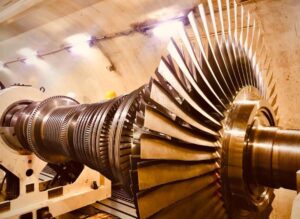
Turbines are the kinetic hearts of the UAE’s critical infrastructure, powering electricity grids, propelling desalination plants, and driving massive industrial compressors. In an environment where ambient temperatures routinely exceed 45°C (113°F) and humidity can soar above 90%, the lubricant is not merely an ancillary fluid; it is a primary functional component of the turbine system itself.

The Multifunctional Mandate of Turbine Oil:

  1. Hydrodynamic Lubrication: Creating and maintaining a fluid film in journal bearings to prevent metal-to-metal contact under extreme loads and speeds.

  2. Heat Transfer: Acting as a coolant, transporting significant thermal loads (often 60-70% of bearing friction heat) to the oil cooler. In UAE summers, the delta-T between the oil and ambient air is reduced, challenging cooling system efficiency.

  3. Corrosion Protection: Forming a protective monolayer on ferrous and non-ferrous surfaces to combat the highly corrosive combination of oxygen, water (from high humidity), and heat.

  4. Power Transmission: Serving as the hydraulic fluid for governor and control systems, requiring precise viscosity and rapid air release properties.

  5. Contaminant Transport: Carrying wear particles and sludge precursors to filters and sumps for removal.

The Molecular Science: Base Oils and Additive Chemistry

Base Oil Types: A Comparative Analysis

The foundation of any turbine oil is its base stock, comprising 95-99% of the final formulation. The choice here dictates fundamental performance limits.


Base Oil Group (API Classification)Key CharacteristicsPros for UAE ApplicationsCons for UAE Applications
Group I (Solvent Refined)Contains significant sulfur and aromatics. Moderate VI (~95-105).Low cost. Good solubility for additives.Poor oxidation stability at high temps. High volatility. Generally not recommended for modern turbines.
Group II (Hydroprocessed)Saturated hydrocarbons >90%. Low sulfur/aromatics. VI ~100-115.Good oxidation stability. Cost-effective for many applications.May have limited response to antioxidants. Can exhibit poorer air release than Group I.
Group III (Severely Hydrocracked)Very high saturates (>99%). High VI (115-130+).Excellent oxidation stability and low volatility. “Synthetic-like” performance. Widely used.Higher cost than Group II. Can be less polar, affecting certain additive solubility.
Group IV (PAO – Polyalphaolefin)True synthetic, uniform molecules.Superior high/low temp performance. Exceptional oxidation life (2-4x mineral). Very high VI (130-150). Low volatility.Highest initial cost. May require ester co-base for seal swell and additive solubility.
Group V (Esters, etc.)Synthetic esters, PAGs.Best-in-class thermal/oxidative stability. Excellent lubricity and natural detergency. Biodegradable options.Can be hygroscopic (absorb water). Potential for hydrolysis. Incompatible with some seal materials.

For the UAE Context: The relentless thermal stress makes the extended oxidation life of Group III+ and Group IV (PAO) bases a compelling economic proposition, despite higher upfront cost. Their superior viscosity-temperature relationship (higher VI) ensures reliable film strength during peak summer loads and faster startups in winter.

The Additive Package: A Precision Engineered System

The additive package (1-5%) is a carefully balanced cocktail where synergy and antagonism must be managed. Key components include:

  • Primary Antioxidants (Radical Scavengers e.g., hindered phenols): Donate hydrogen atoms to stop oxidation chain reactions. They are consumed in service.

  • Secondary Antioxidants (Peroxide Decomposers e.g., aromatic amines): Decompose hydroperoxides into stable products. They provide a “second line of defense.”

  • Rust & Corrosion Inhibitors (Polar surfactants): Form a protective monolayer on metal surfaces, displacing water. Critical for combating UAE’s humid, saline air.

  • Metal Deactivators: Form a passive layer on copper and other catalytic metal surfaces, dramatically slowing metal-catalyzed oxidation.

  • Antifoam Agents (Silicone polymers): Reduce surface tension to break foam bubbles. Over-treatment can harm air release.

  • Demulsifiers: Promote rapid and clean separation of water—a non-negotiable property for coastal and humid plants.

Additive Depletion Dynamics: In UAE conditions, antioxidant depletion is accelerated. Advanced monitoring like RULER tracks this depletion curve, allowing for predictive change-outs before the oil’s oxidative “cliff edge.”

Selection Matrix: Navigating OEM Specs and UAE Realities

Selection is a multi-constraint optimization problem. The following table provides a decision framework:


Selection CriteriaStandard/Minimum RequirementEnhanced/Preferred for UAERationale & Technical Justification
Viscosity Grade (ISO VG)As per OEM manual (Typically VG 32 or 46).Consider a higher VI oil within the grade.Maintains proper film thickness at high bearing temperatures (which can be 70°C+ above ambient).
Oxidation Stability (TOST ASTM D943)2000+ hours to 2.0 TAN.5000+ hours (for synthetics, 10,000+).Directly correlates to service life. UAE thermal stress cuts TOST life in half vs. temperate climates.
Water Separation (ASTM D1401)< 30 minutes to 3ml emulsion.< 5 minutes to 3ml emulsion.Rapid separation prevents water-induced hydrolysis and hydrogen embrittlement of components.
Air Release (ASTM D3427)< 5-10 minutes at 50°C.< 3-5 minutes at 50°C.Faster air release ensures precise, responsive hydraulic control in governor systems.
Varnish Potential (MPC ASTM D7843)MPC < 20-30 (new oil).MPC < 10 (new oil). Low varnish-forming tendency.Varnish is the #1 cause of unscheduled turbine trips in hot operations. Proactive selection is key.
Cleanliness (ISO 4406)ISO 18/16/13 or cleaner as shipped.ISO 15/13/10 or cleaner as shipped.Ultra-clean oil extends filter life, reduces wear, and is a hallmark of superior manufacturing.
Foam Tendency (ASTM D892)Seq I-III within limits.Performance significantly better than limits.Robust foam resistance prevents cavitation and poor heat transfer in turbulent reservoirs.

The OEM vs. Reality Balance: While OEM specs are the absolute baseline, the unique “UAE Multiplier Effect” (Heat + Humidity + Continuous Operation) necessitates selecting oils that exceed minimum specifications, particularly in oxidation life and water separation.

Application & Commissioning: The Make-or-Break Phase

Improper handling can ruin a premium oil before it ever reaches operating temperature.

Pre-Commissioning Checklist:

  1. Flushing Protocol: Use a dedicated high-fluidity flush oil, not the service oil. Target cleanliness of ISO 17/15/12 or better before draining. Circulate with high turbulence and pulse flushing if possible.

  2. First Fill Procedure: Use a filter cart (3µm absolute or finer) during transfer from the drum/tote to the reservoir. Never pour directly.

  3. Baseline Oil Analysis: Before start-up, take a sample from the reservoir for a full analysis. This creates the “DNA fingerprint” for future comparison.

  4. System Verification: Check and set all thermostats, bypass valves, and filter differential pressure indicators. Ensure desiccant breathers are installed on all air vents.

Advanced Oil Condition Management & Analysis

Building a Predictive Maintenance Program:

1. Routine Testing (Every 3-6 Months):

  • Viscosity @ 40°C: A 10% change indicates contamination, oxidation, or wrong oil addition.

  • Acid Number (AN): A steady, linear rise is normal. A sudden increase signals accelerated oxidation.

  • FTIR Spectroscopy: Identifies oxidation products (carboxylic acids, esters), nitration, and additive depletion patterns.

  • Elemental Spectroscopy (ICP): Tracks wear metals (Fe, Cu, Sn), contaminant metals (Si – dirt, Na – coolant), and additive elements (Ca, Zn, P).

2. Advanced & Predictive Tests (Annually or on Alarm):

  • RULER (ASTM D6971): Quantifies remaining useful antioxidant life. Schedule change-out when <25%.

  • Membrane Patch Colorimetry (MPC): The best predictor of varnish. Action should be taken if the in-service MPC value rises above 35.

  • PQ Index / Ferrous Density: Measures the concentration of ferrous wear particles, especially large ones missed by ICP.

  • Analytical Ferrography: For root-cause analysis of abnormal wear, visually identifying particle type (cutting, fatigue, rubbing).

Contamination Control Hierarchy:

  1. Exclusion: Seals, desiccant breathers (with saturation indicators), proper storage.

  2. Removal: Continuous bypass filtration (targeting ISO 14/12/9 or better). For water, use headspace dehydration or centrifugal coalescers.

  3. Monitoring: Particle counters, in-line moisture sensors.

End of Life: The Data-Driven Change-Out Decision

Abandon calendar-based changes. The following matrix guides the decision, prioritizing the most critical failures:


ParameterAlarm Level 1 (Investigate/Correct)Alarm Level 2 (Plan Change-Out)Alarm Level 3 (Immediate Drain)Primary Risk
Viscosity±7% from new oil±10% from new oil±15% from new oilWear or Hydraulic Failure
Acid Number0.3-0.5 increase>0.5 above new oil & risingExceeds OEM limitCorrosion, Varnish
Water Content>500 ppm (saturation)>1000 ppm>2000 ppm with poor demulsibilityRust, Hydrogen Embrittlement
RULER< 50% remaining< 25% remaining< 10% remainingCatastrophic Oxidation
MPC Value> 25> 40> 50Varnish Deposits, Valve Sticking
Particle Count2 codes above target3 codes above targetSevere contaminationAbrasive Wear

Total Cost of Ownership (TCO): The Economic Justification

The lowest-priced oil often carries the highest TCO. Consider all cost drivers:

  • Oil Purchase Price: Initial cost.

  • Change-Out Labor & Disposal: More frequent drains increase cost and environmental liability.

  • Filter Consumption: Poorly stable oil generates more acids and insolubles, plugging filters.

  • Energy Efficiency: High VI synthetics can reduce churning losses.

  • Downtime Cost: The dominant factor. A single unplanned turbine trip due to varnish can cost hundreds of thousands in lost production.

  • Major Component Wear: Bearing and shaft damage from poor lubrication runs into millions.

A premium synthetic (PAO-based) oil from a trusted supplier like Rumanza Lubricants, with 3x the oxidation life and superior varnish control, typically demonstrates a 20-40% lower TCO over a 5-year period compared to a standard mineral oil in UAE service, when all factors are accounted for.

Conclusion: A Paradigm Shift from Commodity to Strategic Asset

Turbine oil management in the UAE’s industrial facilities demands a paradigm shift—from viewing lubricants as a maintenance commodity to recognizing them as a critical, performance-defining system component. This requires:

  • Expertise: Understanding the molecular science and failure modes.

  • Experience: Applying lessons from local failures and successes.

  • Authoritativeness: Making decisions grounded in OEM data and advanced oil analysis.

  • Trustworthiness: Building a program on consistent, high-quality products and transparent data.

By adopting this deep, technical, and proactive approach—partnering with experts like Rumanza Lubricants who formulate for the region’s extremes—facility managers can transform their lubrication program into a powerhouse of reliability, achieving unparalleled operational availability and optimized lifetime asset value in the heart of the demanding Gulf environment.

FAQs

The UAE’s extreme heat, humidity, and dust accelerate oil degradation. Standard oils can fail quickly, leading to varnish, corrosion, and unplanned shutdowns. Oils must be selected for superior oxidation stability and water separation.

Change oil based on condition, not just a schedule. Use oil analysis to monitor key indicators like antioxidant level (RULER), acidity (AN), and varnish potential (MPC). Change it when data shows the oil is exhausted.

Thermal oxidation is the primary enemy. High temperatures break down the oil, forming sludge and varnish that can stick valves, plug filters, and cause sudden, expensive failures.
Varnish is a hard, lacquer-like deposit from oxidized oil. It causes control valves to stick and overheats bearings. Prevent it by selecting low-varnish-potential oils, maintaining low operating temperatures, and using specialized varnish removal filters.
Control the three key killers: heat, water, and contamination. Use offline filtration, install desiccant breathers, maintain proper oil cooler operation, and follow strict handling procedures to keep oil clean and dry.
UAE Turbine Oil

Guide to UAE Turbine Oil Selection Application & Management for Industrial Facilities

Guide to UAE Turbine Oil Selection, Application, and Management for Industrial Facilities Discover More In the hyper-competitive industrial landscape of the United Arab Emirates, where operational excellence directly translates to economic advantage, turbine lubrication represents a critical nexus of reliability engineering and strategic asset management. This comprehensive guide, developed with technical insights from Rumanza Lubricants, provides an unprecedented deep dive into the science, selection criteria, and life-cycle management of turbine oils specifically engineered for the extreme operating conditions of the

Read More »
Hyderolic Oil in UAE

Synthetic vs. Mineral Hydraulic Oil in UAE : Which is Best for Your Operation?

Synthetic vs. Mineral Hydraulic Oil in UAE : Which is Best for Your Operation? Discover More Across the dynamic landscape of the United Arab Emirates—from the megaprojects of Dubai Marina to the intricate conveyor systems of Jebel Ali Port, from the massive hydraulic shovels in Al Dhafra quarries to the precision automated lines in Abu Dhabi’s industrial cities—the silent, powerful force of hydraulics is indispensable. These systems convert fluid power into monumental force and precise motion. At the core of

Read More »
Pour Point Depressant

What is a Pour Point Depressant? | Benefits, Uses & How It Works Mechanism

What is a Pour Point Depressant? | Benefits, Uses & How It Works Mechanism Discover More In the intricate world of lubricant formulation, few additives play as critical yet understated a role in cold-weather operability as Pour Point Depressants (PPDs). These specialized chemical compounds are the linchpin that prevents machinery from seizing up when temperatures plummet. This in-depth guide goes beyond the basics, exploring the sophisticated chemistry, detailed mechanism, nuanced benefits, and practical considerations of PPDs. We will also examine the

Read More »
Gasoline Engine Oils for UAE

Guide to Gasoline Engine Oils for UAE’s Extreme Climate: Engineering Peak Performance

Gasoline Engine Oils for UAE’s Extreme Climate: Engineering Peak Performance Discover More In the heart of the Arabian Peninsula, the United Arab Emirates stands as a testament to human ambition, with its engineering marvels and endless highways. Yet, this environment of soaring achievement is also one of the most punishing on Earth for machinery. For your vehicle—whether a nimble city sedan, a powerful family SUV, or a high-performance sports car—the UAE’s climate is a relentless adversary. The choice of engine

Read More »
Polyol Ester Oils

What are Polyol Ester Oils & Lubricants – Properties & Applications

What are Polyol Ester Oils & Lubricants – Properties & Applications Discover More In the intricate world of industrial machinery, automotive engines, and advanced refrigeration systems, the choice of lubricant is not merely a maintenance task—it’s a critical engineering decision. While conventional mineral oils have served us for over a century, the demands of modern technology require fluids that can perform under extreme pressure, temperature, and environmental stress. This is where synthetic lubricants, specifically Polyol Ester oils, come to the forefront.
Read More »
Lithium Complex Grease UAE

Guide to Choosing the Right Lithium Complex Grease in UAE

Guide to Choosing the Right Lithium Complex Grease in UAE for Unbeatable Performance Discover More In the heart of a region defined by its ambition and extreme climate, the machinery that builds and powers the UAE operates under immense pressure. From the towering cranes sculpting Dubai’s skyline to the massive haul trucks in Abu Dhabi’s industrial zones and the relentless conveyor systems in Jebel Ali Port, every moving part is a critical link in the chain of progress. Protecting these

Read More »
Lithium Grease UAE

Lithium Grease UAE – Buy Multi-Purpose Lubricant Grease

Lithium Grease UAE – Buy Multi-Purpose Lubricant Grease Discover More In the relentless engine of the United Arab Emirates’ economy—where monumental construction, non-stop logistics, and a climate of extreme heat and abrasive sand are the norm—the battle against friction and corrosion is perpetual. The integrity of a construction crane’s slewing ring, the smooth operation of a delivery fleet’s wheel bearings, and the silent efficiency of a hotel’s HVAC system all hinge on a single, critical decision: the choice of lubricant.

Read More »
Best CNG Engine Oil in UAE for Cars

Best CNG Engine Oil in UAE for Cars – Protect Your CNG Engine

Best CNG Engine Oil in UAE for Cars – Protect Your CNG Engine Discover More The automotive landscape in the UAE is undergoing a quiet revolution. As fuel prices fluctuate and environmental consciousness grows, more and more drivers are making the intelligent switch to Compressed Natural Gas (CNG). CNG-powered cars offer significant cost savings on fuel and produce fewer emissions, making them an economically and ecologically sound choice. However, this transition comes with a critical responsibility: understanding that a CNG

Read More »
Calcium Sulphonate Grease UAE

Calcium Sulphonate Grease UAE | High-Temperature Grease

Calcium Sulphonate Grease UAE | High-Temperature Grease Discover More Introduction: The Unforgiving Demands of UAE Industry The United Arab Emirates stands as a global titan of industry and infrastructure. From the sprawling metallurgical plants in Mussafah and the massive port operations of Jebel Ali to the relentless pace of construction shaping Dubai’s skyline and the vast logistics hubs of Al Ain, the machinery that powers this nation operates under extreme duress. Soaring ambient temperatures that regularly exceed 45°C, pervasive dust

Read More »