
How to Choose the Best Engine Oil for Your Car
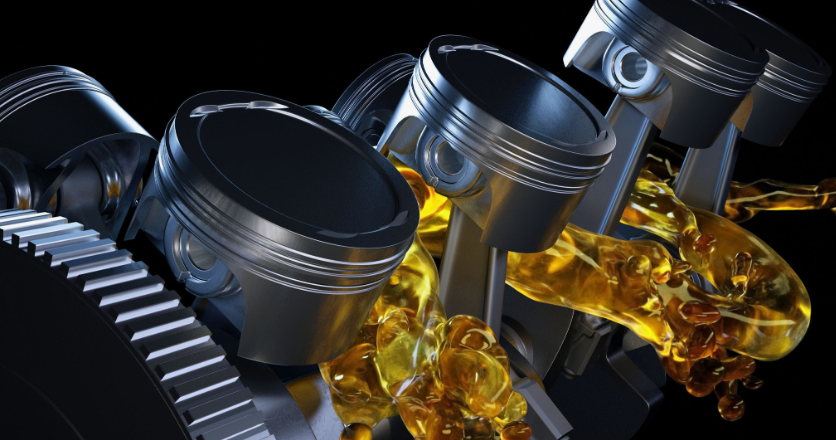
Choosing the right engine oil for your vehicle is critical for optimal performance, engine longevity, and fuel efficiency. The process might seem overwhelming with various brands, types, and grades on the market, especially as the automotive engine oil market grows with specialized options. Understanding key factors like engine type, oil grade, and manufacturer recommendations will help you make an informed decision. Here’s a guide to selecting the best engine oil, whether you’re considering automotive diesel oil or other options.
Understand Your Vehicle’s Needs
Different Types of Engine Oil
The automotive engine oil market offers a range of oil types, each designed for particular driving conditions and engine requirements. Here’s a breakdown of common types:
- Conventional Oil: This is the most basic type, ideal for standard driving conditions. It’s suitable for older, low-mileage engines and provides adequate lubrication.
- Synthetic Oil: Known for superior performance and protection, synthetic oils are engineered for high performance, fuel efficiency, and extreme temperatures.
- Synthetic Blend Oil: This type combines the best of both worlds by mixing synthetic and conventional oils. It’s often recommended for heavier loads or towing.
- High-Mileage Oil: Designed for vehicles with over 75,000 miles, high-mileage oil contains additives that reduce leaks and oil burn-off, extending engine life.
Understanding these options will help you make a choice tailored to your vehicle’s specific needs and your driving habits.
Engine Oil Viscosity Ratings
Viscosity is the measure of an oil’s thickness or resistance to flow. This is indicated by a grade like 5W-30. The first number (5W) represents the oil’s viscosity at cold temperatures, while the second number (30) represents its viscosity at high temperatures. Here’s a quick guide:
- Lower “W” ratings (e.g., 0W or 5W) are better for cold climates as they flow more easily during engine startup.
- Higher ratings (e.g., 10W or 20W) are ideal for warmer climates or high-performance engines.
Check your car’s manual to find the recommended viscosity rating, as using the wrong viscosity can impact performance and fuel efficiency.
Consider the Viscosity Grade
Importance of Oil Additives
Oil Standards: API and ACEA Ratings

Engine oils are rated by standards such as the American Petroleum Institute (API) and the European Automobile Manufacturers’ Association (ACEA). These ratings help ensure oil meets specific performance standards.
- API: Look for “API” followed by a letter rating like “SN” or “SM,” which indicates the oil’s quality level.
- ACEA: ACEA standards are primarily used in Europe and are relevant if you own a European vehicle.
Synthetic vs. Conventional Oils
Choosing Between Automotive Diesel Oil and Gasoline Oil
How to Know if the 2-Stroke Transmission Oil is Low?
Signs of low transmission oil in a 2-stroke engine oil include noisy operation, difficulty in shifting gears, and a noticeable decrease in engine performance. Regularly check the oil level and top it up if necessary to avoid running the engine on low oil, which can cause severe damage.
Check for Additives That Enhance Performance
Additives engine oil can help improve performance by reducing wear, cleaning engine deposits, and managing viscosity. Common additives include:
Detergents: Help clean and remove deposits from engine components.
Anti-Wear Agents: Form a protective layer on engine parts to reduce friction and wear.
Viscosity Improvers: Help maintain oil consistency across various temperatures.
Knowing the additives in your oil can help you choose one that will protect and extend the life of your engine.
The Role of Automotive Oil Manufacturers
Reputable automotive oil manufacturers play a significant role in delivering high-quality products that meet industry standards. Top manufacturers invest in research and development to produce oils optimized for modern engines. They often introduce new formulations to address emerging needs in the automotive market, such as fuel efficiency and emissions reduction. Sticking to well-known brands can give you peace of mind regarding quality and performance.
Analyze Your Driving Conditions
Consult with a Professional
Final Thoughts
FAQs

Radiator Stop Leak UAE: Quick Fix for Vehicle Cooling System Leaks
Radiator Stop Leak UAE: Quick Fix for Vehicle Cooling System Leaks Discover More Introduction: The Unforgiving UAE Climate and Your Vehicle’s Lifeline The United Arab Emirates’ automotive landscape is defined by extremes. Ambient temperatures that regularly surpass 45°C (113°F), coupled with intense urban congestion and long, high-speed desert drives, create a perfect storm of thermal stress for every vehicle. In this environment, your engine cooling system is not merely a subsystem; it is the single most critical component preventing catastrophic engine failure.

What Type of Transmission Oil in UAE Does My Car Need? Your Complete Guide
What Type of Transmission Oil in UAE Does My Car Need? Your Complete Guide Discover More Navigating the vast, sun-baked highways of the United Arab Emirates—from the dynamic urban sprawls of Dubai and Abu Dhabi to the majestic desert dunes and the tranquil mountain passes of the Hajar range—places extraordinary mechanical and thermal stress on every component of your vehicle. While conscientious drivers often prioritize engine oil changes, the vital lifeblood safeguarding the transmission, the complex heart of your car’s

Guide to UAE Turbine Oil Selection Application & Management for Industrial Facilities
Guide to UAE Turbine Oil Selection, Application, and Management for Industrial Facilities Discover More In the hyper-competitive industrial landscape of the United Arab Emirates, where operational excellence directly translates to economic advantage, turbine lubrication represents a critical nexus of reliability engineering and strategic asset management. This comprehensive guide, developed with technical insights from Rumanza Lubricants, provides an unprecedented deep dive into the science, selection criteria, and life-cycle management of turbine oils specifically engineered for the extreme operating conditions of the

Synthetic vs. Mineral Hydraulic Oil in UAE : Which is Best for Your Operation?
Synthetic vs. Mineral Hydraulic Oil in UAE : Which is Best for Your Operation? Discover More Across the dynamic landscape of the United Arab Emirates—from the megaprojects of Dubai Marina to the intricate conveyor systems of Jebel Ali Port, from the massive hydraulic shovels in Al Dhafra quarries to the precision automated lines in Abu Dhabi’s industrial cities—the silent, powerful force of hydraulics is indispensable. These systems convert fluid power into monumental force and precise motion. At the core of

What is a Pour Point Depressant? | Benefits, Uses & How It Works Mechanism
What is a Pour Point Depressant? | Benefits, Uses & How It Works Mechanism Discover More In the intricate world of lubricant formulation, few additives play as critical yet understated a role in cold-weather operability as Pour Point Depressants (PPDs). These specialized chemical compounds are the linchpin that prevents machinery from seizing up when temperatures plummet. This in-depth guide goes beyond the basics, exploring the sophisticated chemistry, detailed mechanism, nuanced benefits, and practical considerations of PPDs. We will also examine the