Marine Oil Guide: Types, Benefits, and Applications
What is Marine Oil?
Marine engine oils refers to a range of lubricants specifically designed for use in maritime engines and machinery. These oils are formulated to lubricate moving engine parts, reduce friction, prevent wear, and protect against corrosion, which is particularly critical in saltwater environments. Marine oils also play a pivotal role in cooling engine components, removing contaminants, and maintaining the efficiency of various mechanical systems. They are designed to perform under the harsh conditions that boats, ships, and offshore platforms encounter on a regular basis.
which oil is used in ships?Marine engine oils vary based on the type of engine or system they are designed for, the specific operating conditions, and the desired performance characteristics. Below, we’ll delve into the primary types of marine oils, their benefits, and practical applications.
Types of Marine Oil & Applications For Marine Oil
1. Marine Diesel Oil (MDO)
Marine Diesel Oil is used primarily in large vessels, cargo ships, tankers, and container ships. It is a type of distillate fuel with low sulfur content and provides a high level of performance even in the toughest marine conditions. MDO is typically used in engines that require higher power outputs and those operating at high speeds.
Key Features:
- Combines distillate and residual fuels for improved efficiency.
- Contains additives to protect against corrosion and prevent sediment formation.
- Suitable for high-speed marine engines.
Benefits:
- Improved combustion efficiency, leading to enhanced power generation.
- Lower sulfur content results in reduced emissions and a cleaner engine.
- Longer operational life of the engine components due to superior lubrication.
Applications:
- Used in commercial shipping, large cargo vessels, and passenger ships, particularly for long-distance journeys and high-power engine needs.
2. Marine Two-Stroke Oil (2T)
Two-stroke marine engines are often used in smaller boats, personal watercraft, and outboard motors. Marine Two-Stroke Oil is designed to mix with fuel to provide lubrication to the engine’s moving parts. This oil is essential for reducing friction, cleaning the engine, and preventing excessive carbon buildup.
Key Features:
- Mixed with the fuel before combustion to provide lubrication.
- Highly effective in reducing carbon deposits in the exhaust system and engine parts.
- Helps to prevent engine knock by ensuring proper lubrication in the combustion chamber.
Benefits:
- Reduces exhaust smoke and minimizes carbon buildup.
- Enhances engine longevity by preventing wear and tear.
- Keeps engines running smoothly in both fresh and saltwater environments.
Applications:
- Perfect for smaller recreational boats, jet skis, outboard motors, and personal watercraft.
3. Marine Four-Stroke Oil (4T)
Four-stroke marine oils are designed for larger, more powerful marine engines. Unlike two-stroke engines, these engines use separate lubrication systems where the oil and fuel do not mix. Four-stroke oils are critical for maintaining engine performance, reducing wear, and extending the engine’s service life.
Key Features:
- High viscosity for efficient lubrication and superior performance under high stress.
- Provides clean engine operation by reducing carbon deposits.
- Designed to meet specific engine manufacturer requirements.
Benefits:
- Better fuel efficiency due to clean and efficient engine operation.
- Reduces engine wear, ensuring prolonged engine life.
- Works well in high-load and high-temperature environments, common in larger vessels.
Applications:
- Used in larger recreational vessels, yachts, and commercial ships with four-stroke engines.
4. Marine Gear Oil
Marine Gear Oil is used to lubricate gear systems on boats and ships, ensuring the smooth operation of transmissions, stern drives, and outboard motor lower units. This oil is specifically formulated to handle extreme pressure conditions and prevent rusting or corrosion, especially in saltwater environments.
Key Features:
- Formulated to provide extreme pressure resistance to gear systems.
- Specially designed to protect against rust and corrosion caused by exposure to seawater.
- Highly viscous to ensure that gears are properly lubricated under heavy loads.
Benefits:
- Enhances gear performance and reduces the chances of transmission failure.
- Prevents rust and corrosion in gearboxes, even when submerged in saltwater.
- Increases the lifespan of marine gears and ensures better power transmission.
Applications:
- Used in outboard motors, sterndrives, and the gear systems of larger vessels, including fishing boats and cargo ships.
5. Marine Hydraulic Oil
Marine hydraulic oils are used to lubricate hydraulic systems, such as steering mechanisms, cranes, and other critical machinery on vessels. These oils ensure that hydraulic systems work effectively, even under extreme conditions of pressure, temperature, and water exposure.
Key Features:
- Designed to operate in hydraulic systems under various pressures and temperatures.
- Enhances anti-wear protection to ensure smooth functioning of hydraulic machinery.
- Superior water separation properties to prevent oil contamination.
Benefits:
- Extends the service life of hydraulic systems by preventing wear.
- Maintains system pressure, ensuring precise control of steering, cranes, and other operations.
- Reduces the risk of contamination by water and other debris.
Applications:
- Used in steering systems, lifting equipment, cranes, and hydraulic machinery aboard ships, offshore rigs, and yachts.
6. Marine Lubricants
Types of marine lubricants are used to protect various internal components of oil marine engines, such as pistons, cylinders, and bearings. These lubricants are essential for reducing friction and ensuring efficient engine operation. Marine lubricants are available in different formulations, each catering to specific engine requirements.
Key Features:
- Available in both liquid and semi-liquid forms, providing various types of lubrication.
- Helps to maintain the engine clean by removing carbon deposits and preventing sludge buildup.
- Protects internal components from corrosion, especially in humid and salty conditions.
Benefits:
- Reduces internal friction, helping to optimize engine efficiency and fuel consumption.
- Prevents corrosion, particularly in areas exposed to seawater.
- Reduces wear and tear on key engine components, extending their lifespan.
Applications:
- Used in engines, pumps, compressors, and all critical machinery aboard vessels.
Benefits of Marine oil uses
In all types of marine lubricants high-quality marine oil OR Boat Oil offer a host of benefits that directly influence the performance, reliability, and longevity of marine engines. Here are some key advantages marine oil uses:
1. Enhanced Engine Protection
Marine engines operate in some of the harshest environments, where exposure to saltwater, high humidity, and extreme temperatures is common. High-quality marine oils contain specific additives that form protective layers around critical engine parts, reducing friction, preventing rust, and safeguarding components against the corrosive effects of saltwater.
2. Improved Fuel Efficiency
Marine oils are designed to reduce engine friction, allowing components to move smoothly. This reduction in friction means the engine uses less energy to operate, which improves fuel efficiency. As a result, vessels consume less fuel, reduce operational costs, and minimize their environmental impact.
3. Longer Engine Life
Using the appropriate marine oil can extend the operational life of your engine. Marine oils help prevent common engine issues like overheating, excessive wear, and carbon buildup. Regular maintenance and oil changes also help maintain the oil’s optimal performance, ensuring your engine stays healthy for longer.
4. Reduced Emissions
Marine oils designed with eco-friendly additives can help reduce harmful emissions from vessels. By improving combustion efficiency and reducing carbon deposits, marine oils contribute to lower exhaust emissions, which is crucial in meeting modern environmental standards.
5. Improved Performance
Marine oils ensure that engines run at their peak performance by reducing friction, controlling temperatures, and preventing harmful deposits. This results in a more responsive engine, capable of generating higher power output with smoother operation. Consistent performance is especially critical for vessels operating under demanding conditions.
Choosing the Right Marine Oil for Your Vessel
The process of selecting the based on marine fuel oil properties and marine grade oil for your boat lubricants depends on various factors, or marine diesel engine oils and marine engine lubrication including the engine type, operational environment, and the manufacturer’s recommendations. Here are some practical tips to guide your ship lubricants selection:
1. Consider Engine Type and Size
Different engine types require different oils. Two-stroke and four-stroke engines have specific oil needs, and it’s essential to match the oil type to the engine’s requirements. Larger vessels with high-power engines will often require higher viscosity oils, while smaller engines may need more lightweight oils for optimal lubrication.
2. Operating Conditions and Temperature Range
If your vessel operates in extreme temperatures or in highly humid and salty environments, you need an oil that is designed to withstand such conditions. Oils with enhanced anti-corrosion properties and thermal stability are essential for vessels operating in these environments.
3. Quality Standards
Ensure the marine oil you select meets international standards and regulations, such as those from the International Maritime Organization (IMO) and the American Petroleum Institute (API). Oils meeting these standards have undergone rigorous testing and are proven to offer reliable performance in demanding marine conditions.
4. Regular Maintenance and Oil Change
Always follow the oil change intervals recommended by the engine manufacturer. Over time, marine oils degrade due to exposure to heat, contaminants, and water. Regular oil changes ensure that your engine continues to benefit from optimal lubrication and protection.
Final Thoughts
Marine engine lubricants oils play an essential role in ensuring the reliability, efficiency, and longevity of marine engines and machinery. From Marine Diesel Oil or marine diesel engine oils and Two-Stroke Oils to Hydraulic and Gear Oils, choosing the right oil can make a world of difference in the performance of your vessel. Regular maintenance, proper oil selection, and timely oil changes help protect your engine, reduce fuel consumption, extend its life, and minimize emissions.
Whether you are navigating through the open seas or enjoying leisurely boating, using high-quality marine oil will keep your vessel operating smoothly, ensuring safe and efficient journeys on the water for years to come.
FAQs
Marine Lubricants are high-performance oils and greases engineered to protect ship machinery from friction, corrosion, and extreme conditions. They ensure smooth operation of engines, gears, hydraulic systems, and deck equipment while meeting strict maritime regulations. Key benefits include reduced wear, heat dissipation, rust prevention, and improved fuel efficiency—extending machinery life in harsh marine environments.
Marine Gas Oil (MGO) is a high-quality, low-sulfur diesel fuel specifically designed for marine vessels. It is a distillate fuel, lighter and cleaner-burning than heavy fuel oil (HFO), making it compliant with strict environmental regulations like IMO 2020.
MGO is a clean diesel fuel used in ships for:
Main & auxiliary engines (especially in emission-controlled zones)
Emergency generators (backup power)
Smaller vessels & yachts (where cleaner fuel is required)
Port operations (to meet strict air pollution rules)
Marine Diesel Oil (MDO) is a mixture of distillate and residual fuels, designed for higher power engines and vessels operating at high speeds. Marine Gas Oil (MGO), on the other hand, is a distillate fuel with lower sulfur content and is often used in ships with smaller engines or for vessels operating in emission-controlled areas. MDO is typically used in larger commercial vessels, while MGO is favored for its cleaner emissions and use in both small and large vessels.
No, car engine oil is not recommended for use in marine engines. Marine engines operate under different conditions, including constant exposure to saltwater, extreme pressures, and temperatures. Marine oils are specifically formulated to handle these stresses, provide better protection against corrosion, and reduce friction. Using car engine oil may compromise engine performance and longevity.
The frequency of oil changes depends on the engine type, usage, and manufacturer’s recommendations. Typically, it’s recommended to change the oil every 50-100 hours of engine operation, or at least once per season, whichever comes first. For high-performance or heavy-duty engines, more frequent oil changes may be necessary to maintain optimal engine health.
Yes, marine two-stroke oils are specifically designed to be mixed with gasoline in certain ratios. However, it’s essential to follow the manufacturer’s recommended mixing ratio to avoid engine damage. Typically, the mix ratio ranges from 50:1 to 100:1, depending on the oil and engine specifications. Always use high-quality, purpose-made two-stroke oil for better engine performance.
Corrosion resistance is critical in marine oils because boats and vessels are constantly exposed to saltwater, which accelerates rust and corrosion on engine parts. Marine oils with corrosion inhibitors help protect critical components like pistons, bearings, and cylinders from rust and corrosion, ensuring longer engine life and maintaining optimal performance in harsh environments.

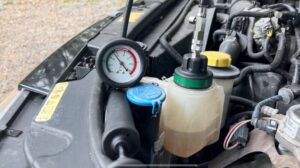
Radiator Stop Leak UAE: Quick Fix for Vehicle Cooling System Leaks
Radiator Stop Leak UAE: Quick Fix for Vehicle Cooling System Leaks Discover More Introduction: The Unforgiving UAE Climate and Your Vehicle’s Lifeline The United Arab Emirates’ automotive landscape is defined by extremes. Ambient temperatures that regularly surpass 45°C (113°F), coupled with intense urban congestion and long, high-speed desert drives, create a perfect storm of thermal stress for every vehicle. In this environment, your engine cooling system is not merely a subsystem; it is the single most critical component preventing catastrophic engine failure.
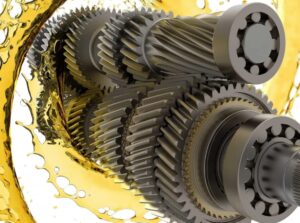

What Type of Transmission Oil in UAE Does My Car Need? Your Complete Guide
What Type of Transmission Oil in UAE Does My Car Need? Your Complete Guide Discover More Navigating the vast, sun-baked highways of the United Arab Emirates—from the dynamic urban sprawls of Dubai and Abu Dhabi to the majestic desert dunes and the tranquil mountain passes of the Hajar range—places extraordinary mechanical and thermal stress on every component of your vehicle. While conscientious drivers often prioritize engine oil changes, the vital lifeblood safeguarding the transmission, the complex heart of your car’s

Guide to UAE Turbine Oil Selection Application & Management for Industrial Facilities
Guide to UAE Turbine Oil Selection, Application, and Management for Industrial Facilities Discover More In the hyper-competitive industrial landscape of the United Arab Emirates, where operational excellence directly translates to economic advantage, turbine lubrication represents a critical nexus of reliability engineering and strategic asset management. This comprehensive guide, developed with technical insights from Rumanza Lubricants, provides an unprecedented deep dive into the science, selection criteria, and life-cycle management of turbine oils specifically engineered for the extreme operating conditions of the

Synthetic vs. Mineral Hydraulic Oil in UAE : Which is Best for Your Operation?
Synthetic vs. Mineral Hydraulic Oil in UAE : Which is Best for Your Operation? Discover More Across the dynamic landscape of the United Arab Emirates—from the megaprojects of Dubai Marina to the intricate conveyor systems of Jebel Ali Port, from the massive hydraulic shovels in Al Dhafra quarries to the precision automated lines in Abu Dhabi’s industrial cities—the silent, powerful force of hydraulics is indispensable. These systems convert fluid power into monumental force and precise motion. At the core of

What is a Pour Point Depressant? | Benefits, Uses & How It Works Mechanism
What is a Pour Point Depressant? | Benefits, Uses & How It Works Mechanism Discover More In the intricate world of lubricant formulation, few additives play as critical yet understated a role in cold-weather operability as Pour Point Depressants (PPDs). These specialized chemical compounds are the linchpin that prevents machinery from seizing up when temperatures plummet. This in-depth guide goes beyond the basics, exploring the sophisticated chemistry, detailed mechanism, nuanced benefits, and practical considerations of PPDs. We will also examine the

Guide to Gasoline Engine Oils for UAE’s Extreme Climate: Engineering Peak Performance
Gasoline Engine Oils for UAE’s Extreme Climate: Engineering Peak Performance Discover More In the heart of the Arabian Peninsula, the United Arab Emirates stands as a testament to human ambition, with its engineering marvels and endless highways. Yet, this environment of soaring achievement is also one of the most punishing on Earth for machinery. For your vehicle—whether a nimble city sedan, a powerful family SUV, or a high-performance sports car—the UAE’s climate is a relentless adversary. The choice of engine

What are Polyol Ester Oils & Lubricants – Properties & Applications
What are Polyol Ester Oils & Lubricants – Properties & Applications Discover More In the intricate world of industrial machinery, automotive engines, and advanced refrigeration systems, the choice of lubricant is not merely a maintenance task—it’s a critical engineering decision. While conventional mineral oils have served us for over a century, the demands of modern technology require fluids that can perform under extreme pressure, temperature, and environmental stress. This is where synthetic lubricants, specifically Polyol Ester oils, come to the forefront.

Guide to Choosing the Right Lithium Complex Grease in UAE
Guide to Choosing the Right Lithium Complex Grease in UAE for Unbeatable Performance Discover More In the heart of a region defined by its ambition and extreme climate, the machinery that builds and powers the UAE operates under immense pressure. From the towering cranes sculpting Dubai’s skyline to the massive haul trucks in Abu Dhabi’s industrial zones and the relentless conveyor systems in Jebel Ali Port, every moving part is a critical link in the chain of progress. Protecting these

Lithium Grease UAE – Buy Multi-Purpose Lubricant Grease
Lithium Grease UAE – Buy Multi-Purpose Lubricant Grease Discover More In the relentless engine of the United Arab Emirates’ economy—where monumental construction, non-stop logistics, and a climate of extreme heat and abrasive sand are the norm—the battle against friction and corrosion is perpetual. The integrity of a construction crane’s slewing ring, the smooth operation of a delivery fleet’s wheel bearings, and the silent efficiency of a hotel’s HVAC system all hinge on a single, critical decision: the choice of lubricant.