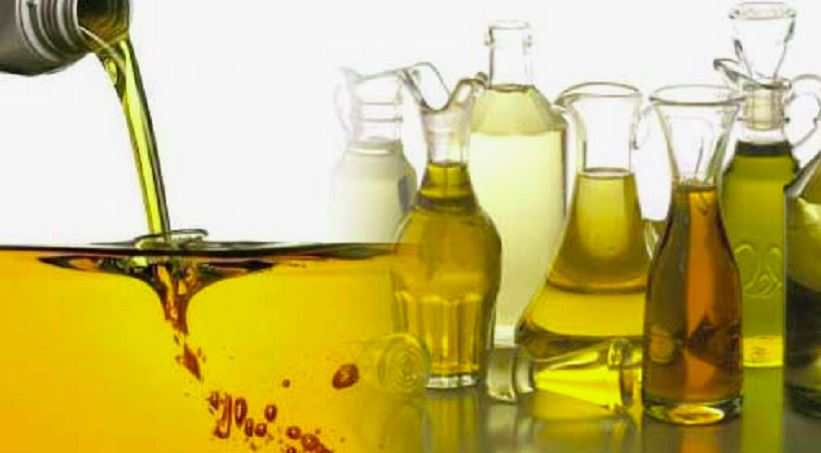

MHO Chemicals in Automotive Oils: A Comprehensive Guide

Automotive oils are crucial for maintaining the health and efficiency of vehicle engines. Among the various additives and components that enhance oil performance, MHO chemicals are gaining attention for their potential benefits. This article delves into the role of MHO chemicals in automotive oils, exploring their benefits, applications, and the science behind their effectiveness.

What are MHO Chemicals?

MHO stands for Mixed Hydrocarbon Oil, chemicals are a group of compounds that are increasingly being incorporated into automotive oils. These chemicals are known for their ability to improve oil performance and protect engine components. MHO chemicals are characterized by their stability and ability to interact with other components in the oil to enhance its properties.

Automotive Oil with MHO Chemicals: Ingredient Table

IngredientPurposeTypical Concentration
Mixed Hydrocarbon Oil (MHO)Primary additive to enhance lubrication, thermal stability, and protect against corrosion and rust0.5% – 3.0%
Base OilForms the primary component of the oil, providing lubrication and viscosity80% – 90%
Viscosity ModifiersAdjusts the oil’s viscosity to maintain performance at various temperatures1% – 5%
DetergentsHelps keep the engine clean by preventing sludge and deposit formation1% – 3%
DispersantsPrevents the formation of particulate matter and keeps contaminants suspended1% – 2%
Anti-Wear AgentsProvides additional protection to metal surfaces against wear and tear0.5% – 2%
Anti-OxidantsProtects the oil from oxidation and degradation over time0.1% – 1.0%
Corrosion InhibitorsProtects engine components from rust and corrosion0.1% – 0.5%
Foam InhibitorsReduces foam formation to ensure stable lubrication0.01% – 0.1%
Pour Point DepressantsImproves low-temperature flow properties of the oil0.1% – 0.5%
Fragrance/AdditivesEnhances the smell or appearance of the oil (optional)Variable

Ingredient Descriptions

  • Mixed Hydrocarbon Oil (MHO): The core chemical additive in this oil, known for its lubrication enhancement, thermal stability, and anti-corrosion properties.
  • Base Oil: The main component of the oil that provides the necessary lubrication and viscosity.
  • Viscosity Modifiers: Chemicals that adjust the oil’s viscosity to ensure optimal performance across a range of temperatures.
  • Detergents: Additives that keep the engine clean by preventing the formation of sludge and deposits.
  • Dispersants: Help to keep contaminants and particulate matter suspended in the oil, preventing engine damage.
  • Anti-Wear Agents: Additives that protect metal surfaces from wear and tear during engine operation.
  • Anti-Oxidants: Chemicals that prevent the oil from oxidizing and degrading over time.
  • Corrosion Inhibitors: Protect engine parts from rust and corrosion, especially in harsh conditions.
  • Foam Inhibitors: Reduce foam formation to ensure that the oil maintains proper lubrication.
  • Pour Point Depressants: Improve the oil’s flow properties at low temperatures to prevent thickening.
  • Fragrance/Additives: Optional components that may be added for specific purposes, such as improving the oil’s smell or appearance.

The Role of MHO Chemicals in Automotive Oil

MHO Chemicals

1. Enhancing Lubrication

One of the primary roles of MHO chemicals in automotive oil is to enhance lubrication. They help reduce friction between engine parts, which can lead to smoother engine operation and improved fuel efficiency. By forming a protective layer on metal surfaces, MHO chemicals minimize wear and tear, extending the life of the engine.

2. Improving Thermal Stability

Automotive engines operate at high temperatures, which can cause oil to break down and lose its effectiveness. MHO chemicals contribute to the thermal stability of the oil, allowing it to maintain its viscosity and protective properties even under extreme conditions. This helps prevent oil degradation and ensures consistent engine performance.

3. Reducing Corrosion and Rust

Corrosion and rust can significantly impact engine longevity and performance. MHO chemicals have anti-corrosive properties that help protect engine components from rust and corrosion. This is especially important in engines that are exposed to harsh operating conditions or environments.

4. Enhancing Oil Cleanliness

Maintaining oil cleanliness is essential for engine health. MHO chemicals can help keep the oil clean by preventing the formation of sludge and deposits. This ensures that the oil remains effective in lubricating and protecting engine components over time.

Benefits of Using Automotive Oil with MHO oil

1. Extended Engine Life

By reducing friction, wear, and corrosion, automotive oils containing MHO chemicals can significantly extend the life of an engine. The enhanced lubrication and protection provided by these chemicals help keep the engine running smoothly and efficiently for longer periods.

2. Improved Fuel Efficiency

Efficient lubrication and reduced friction contribute to better fuel efficiency. Engines that operate with oils containing MHO chemicals tend to consume less fuel, which can result in cost savings and reduced environmental impact.

3. Better Performance in Extreme Conditions

MHO chemicals enhance the oil’s ability to perform in extreme temperatures and conditions. Whether driving in extremely hot or cold climates, automotive oils with MHO chemicals can maintain their effectiveness, ensuring reliable engine performance.

4. Reduced Maintenance Costs

Engines that are well-protected by MHO-containing oils are less likely to suffer from premature wear and damage. This leads to fewer breakdowns and repairs, ultimately reducing maintenance costs for vehicle owners.

Key Considerations When Choosing Automotive Oil with MHO Chemicals

1. Oil Viscosity

When selecting automotive oil with MHO chemicals, it’s important to consider the oil’s viscosity. The viscosity of the oil should match the specifications recommended by the vehicle manufacturer. This ensures that the oil provides adequate lubrication and protection under various operating conditions.

2. Compatibility with Engine Type

Different engines have different requirements, and not all automotive oils with MHO chemicals are suitable for every engine type. It’s crucial to choose an oil that is compatible with your vehicle’s engine to ensure optimal performance and protection.

3. Oil Change Intervals

Regular oil changes are essential for maintaining engine health. Even though automotive oils with MHO chemicals offer enhanced performance and protection, following the recommended oil change intervals is still necessary to ensure the engine remains in top condition.

4. Brand and Quality

The quality of automotive oil can vary between brands. It’s advisable to choose reputable brands that are known for producing high-quality oils with MHO chemicals. This ensures that you are getting a product that meets industry standards and provides the benefits claimed.

The Science Behind MHO Chemicals in Automotive Oils

1. Chemical Structure and Properties

MHO chemicals are characterized by their unique chemical structure, which contributes to their effectiveness in automotive oils. These chemicals typically consist of metal hydroxides and oxides, which interact with the oil to improve its properties.

2. Interaction with Other Additives

In automotive oils, MHO chemicals work in conjunction with other additives to enhance overall performance. They may interact with detergents, dispersants, and anti-wear agents to provide a comprehensive solution for engine protection and performance.

3. Impact on Oil Performance

The presence of MHO chemicals in automotive oil can impact various performance aspects, including lubrication, thermal stability, and cleanliness. Their ability to maintain oil properties under different conditions makes them a valuable addition to modern automotive oils.

Final Thoughts

MHO chemicals play a significant role in enhancing the performance and protection offered by automotive oils. By improving lubrication, thermal stability, and cleanliness, these chemicals contribute to extended engine life, better fuel efficiency, and reduced maintenance costs. When choosing automotive oil, considering the presence of MHO chemicals and their benefits can help ensure optimal engine performance and longevity. As automotive technology continues to evolve, the role of MHO chemicals in automotive oils is likely to become even more prominent, offering further advancements in engine care and efficiency.

FAQs

MHO stands for Mixed Hydrocarbon Oil, chemicals are a group of compounds that are increasingly being incorporated into automotive oils. These chemicals are known for their ability to improve oil performance and protect engine components. MHO chemicals are characterized by their stability and ability to interact with other components in the oil to enhance its properties.

MHO chemicals, or Metal Hydroxide Oxides, are used primarily in automotive oils and other lubricants. Their main uses include enhancing lubrication by reducing friction, improving thermal stability to maintain oil performance at high temperatures, protecting against corrosion and rust, and maintaining oil cleanliness to prevent sludge and deposit formation.

In chemistry, MHO stands for Metal Hydroxide Oxide. This refers to a type of compound consisting of metal ions combined with hydroxide and oxide ions, often used in various applications, including as additives in lubricants.

Mixed hydrocarbon oil, which typically consists of a blend of different hydrocarbon compounds, is used in various applications including as a base oil in automotive and industrial lubricants. It helps in providing lubrication, reducing friction, and protecting engine components. Mixed hydrocarbon oils can also be used as solvents or in chemical processes due to their varied properties.

The purpose of chemical water treatment is to improve water quality and make it safe for its intended use. This process involves adding chemicals to remove impurities, such as microorganisms, sediments, and pollutants. It helps in:

  • Disinfection: Killing or inactivating harmful bacteria and viruses.
  • Flocculation and Coagulation: Removing suspended particles and sediments.
  • pH Adjustment: Balancing the acidity or alkalinity of water.
  • Corrosion Control: Preventing damage to pipes and infrastructure.
  • Softening: Reducing water hardness by removing calcium and magnesium ions.

Chemical water treatment is essential for ensuring that water meets safety standards for drinking, industrial use, and other applications.

Radiator Stop Leak UAE

Radiator Stop Leak UAE: Quick Fix for Vehicle Cooling System Leaks

Radiator Stop Leak UAE: Quick Fix for Vehicle Cooling System Leaks Discover More Introduction: The Unforgiving UAE Climate and Your Vehicle’s Lifeline The United Arab Emirates’ automotive landscape is defined by extremes. Ambient temperatures that regularly surpass 45°C (113°F), coupled with intense urban congestion and long, high-speed desert drives, create a perfect storm of thermal stress for every vehicle. In this environment, your engine cooling system is not merely a subsystem; it is the single most critical component preventing catastrophic engine failure.
Read More »
Transmission Oil in UAE

What Type of Transmission Oil in UAE Does My Car Need? Your Complete Guide

What Type of Transmission Oil in UAE Does My Car Need? Your Complete Guide Discover More Navigating the vast, sun-baked highways of the United Arab Emirates—from the dynamic urban sprawls of Dubai and Abu Dhabi to the majestic desert dunes and the tranquil mountain passes of the Hajar range—places extraordinary mechanical and thermal stress on every component of your vehicle. While conscientious drivers often prioritize engine oil changes, the vital lifeblood safeguarding the transmission, the complex heart of your car’s

Read More »
UAE Turbine Oil

Guide to UAE Turbine Oil Selection Application & Management for Industrial Facilities

Guide to UAE Turbine Oil Selection, Application, and Management for Industrial Facilities Discover More In the hyper-competitive industrial landscape of the United Arab Emirates, where operational excellence directly translates to economic advantage, turbine lubrication represents a critical nexus of reliability engineering and strategic asset management. This comprehensive guide, developed with technical insights from Rumanza Lubricants, provides an unprecedented deep dive into the science, selection criteria, and life-cycle management of turbine oils specifically engineered for the extreme operating conditions of the

Read More »
Hyderolic Oil in UAE

Synthetic vs. Mineral Hydraulic Oil in UAE : Which is Best for Your Operation?

Synthetic vs. Mineral Hydraulic Oil in UAE : Which is Best for Your Operation? Discover More Across the dynamic landscape of the United Arab Emirates—from the megaprojects of Dubai Marina to the intricate conveyor systems of Jebel Ali Port, from the massive hydraulic shovels in Al Dhafra quarries to the precision automated lines in Abu Dhabi’s industrial cities—the silent, powerful force of hydraulics is indispensable. These systems convert fluid power into monumental force and precise motion. At the core of

Read More »
Pour Point Depressant

What is a Pour Point Depressant? | Benefits, Uses & How It Works Mechanism

What is a Pour Point Depressant? | Benefits, Uses & How It Works Mechanism Discover More In the intricate world of lubricant formulation, few additives play as critical yet understated a role in cold-weather operability as Pour Point Depressants (PPDs). These specialized chemical compounds are the linchpin that prevents machinery from seizing up when temperatures plummet. This in-depth guide goes beyond the basics, exploring the sophisticated chemistry, detailed mechanism, nuanced benefits, and practical considerations of PPDs. We will also examine the

Read More »
Gasoline Engine Oils for UAE

Guide to Gasoline Engine Oils for UAE’s Extreme Climate: Engineering Peak Performance

Gasoline Engine Oils for UAE’s Extreme Climate: Engineering Peak Performance Discover More In the heart of the Arabian Peninsula, the United Arab Emirates stands as a testament to human ambition, with its engineering marvels and endless highways. Yet, this environment of soaring achievement is also one of the most punishing on Earth for machinery. For your vehicle—whether a nimble city sedan, a powerful family SUV, or a high-performance sports car—the UAE’s climate is a relentless adversary. The choice of engine

Read More »
Polyol Ester Oils

What are Polyol Ester Oils & Lubricants – Properties & Applications

What are Polyol Ester Oils & Lubricants – Properties & Applications Discover More In the intricate world of industrial machinery, automotive engines, and advanced refrigeration systems, the choice of lubricant is not merely a maintenance task—it’s a critical engineering decision. While conventional mineral oils have served us for over a century, the demands of modern technology require fluids that can perform under extreme pressure, temperature, and environmental stress. This is where synthetic lubricants, specifically Polyol Ester oils, come to the forefront.

Read More »