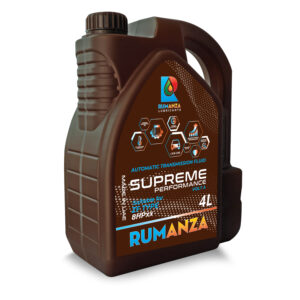
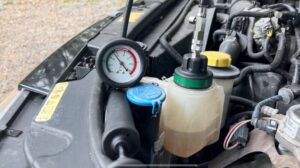
What is ATF Oil? Types of Transmission Fluid & When to Change It

Transmission fluid is one of the most critical yet often overlooked components in a vehicle’s maintenance routine. Whether you drive an automatic, manual, continuously variable transmission (CVT), or dual-clutch transmission (DCT) vehicle, the right transmission fluid ensures smooth operation, longevity, and peak performance.

What is Automatic Transmission Fluid (ATF)?

ATF oil meaning – Automatic Transmission Fluid (ATF) is a specialized lubricant designed to reduce friction, cool transmission components, and facilitate smooth gear shifts in automatic transmissions. Unlike engine oil, which primarily lubricates moving parts, ATF serves multiple functions:

  1. Hydraulic Fluid – Transfers power to engage gears via hydraulic pressure.

  2. Lubricant – Reduces wear on gears, bearings, and clutch plates.

  3. Coolant – Dissipates heat generated by friction.

  4. Corrosion Inhibitor – Protects metal components from rust and oxidation.

  5. Seal Conditioner – Keeps gaskets and seals flexible to prevent leaks.

How Does ATF Work?

In an automatic ATF transmission fluid, the torque converter and valve body rely on pressurized ATF to engage gears smoothly. When the fluid degrades, it loses its viscosity and hydraulic properties, leading to rough shifting, overheating, or transmission failure.

What Does Transmission Fluid Do?

what is atf oil used for;

ExplanationWhy It Matters
LubricationReduces friction between gears, bearings, and clutch plates.Prevents premature wear and overheating.
Heat DissipationAbsorbs and transfers heat away from transmission components.Prevents overheating, which can warp parts.
Hydraulic PressureEnables smooth gear shifts by pressurizing the valve body.Ensures seamless acceleration and deceleration.
Cleaning & ProtectionContains detergents to prevent sludge and varnish buildup.Extends transmission lifespan.
Seal ConditioningKeeps rubber seals and gaskets flexible.Prevents leaks and maintains pressure.

Without proper ATF transmission oil, your transmission can suffer from slipping gears, delayed shifts, or complete failure—leading to expensive repairs.

Types of Transmission Fluid (In-Depth Comparison)

Type of transmission fluid not all transmission fluids are the same. Different automatic transmission fluid types require specific formulations. Below is a detailed breakdown of the most common types:

1. Dexron/Mercon (Conventional ATF)

  • Developed by: General Motors (Dexron) & Ford (Mercon).

  • Used in: Older automatic transmissions.

  • Latest Versions: Dexron VI, Mercon V (improved thermal stability).

  • Pros:

    • Affordable and widely available.

    • Suitable for most older vehicles.

  • Cons:

    • Less stable at high temperatures compared to synthetic ATF.

    • Requires more frequent changes.

2. Synthetic ATF

  • Composition: Chemically engineered for superior performance.

  • Used in: High-performance, luxury, and heavy-duty vehicles.

  • Pros:

    • Better thermal stability and oxidation resistance.

    • Longer lifespan (up to 100,000 miles in some cases).

  • Cons:

    • More expensive than conventional ATF.

    • Not always compatible with older transmissions.

3. CVT Fluid (Continuously Variable Transmission Fluid)

  • Used in: CVT transmissions (e.g., Nissan, Honda, Toyota).

  • Key Feature: Provides friction modification for belt-and-pulley systems.

  • Pros:

    • Optimized for smooth, stepless gear transitions.

    • Reduces belt slippage.

  • Cons:

    • More expensive than conventional ATF.

    • Must use manufacturer-recommended fluid (e.g., Nissan NS-3, Honda HCF-2).

4. Dual-Clutch Transmission Fluid (DCTF)

  • Used in: Performance cars (e.g., Volkswagen DSG, Ford PowerShift).

  • Key Feature: Handles high clutch engagement pressure.

  • Pros:

    • Enhances shift speed and performance.

    • Better heat resistance.

  • Cons:

    • Expensive and requires specialized service.

5. Manual Transmission Fluid (MTF)

  • Used in: Manual transmissions (some use gear oil instead).

  • Key Feature: Thicker viscosity for gear protection.

  • Pros:

    • Better shear stability under heavy loads.

  • Cons:

    • Not interchangeable with ATF.

Automatic Transmission Oil Comparison Table: ATF Types

TypeBest ForProsConsChange Interval
Dexron/MerconOlder automaticsAffordable, widely availableLess heat-resistant30,000–60,000 miles
Synthetic ATFModern automatics, performance carsLonger lifespan, better heat resistanceExpensive60,000–100,000 miles
CVT FluidCVT transmissions (Nissan, Honda)Prevents belt slippageMust use OEM fluid60,000–90,000 miles
DCT FluidDual-clutch transmissions (VW, Ford)Faster shifts, high durabilityCostly, specialized service40,000–60,000 miles
Manual Transmission FluidManual transmissionsHigh shear stabilityNot for automatics50,000–100,000 miles

ATF Oil Uses - Signs That Your Transmission Fluid Needs Changing

Ignoring ATF maintenance can lead to transmission failure. Watch for these warning signs:

1. Discolored or Burnt Fluid

  • Fresh ATF: Red/pink, translucent.

  • Degraded ATF: Dark brown/black, burnt smell.

2. Slipping Gears

  • Engine revs but car doesn’t accelerate properly.

3. Rough or Delayed Shifting

  • Jerky movements when shifting gears.

4. Unusual Noises

  • Whining, grinding, or clunking sounds.

5. Transmission Overheating

  • Burning smell or warning lights.

6. Check Engine Light

  • Transmission-related error codes (e.g., P0700).

How Often Should You Change ATF?

Transmission TypeNormal DrivingSevere Conditions (Towing, Stop-and-Go)
Conventional ATF30,000–60,000 miles15,000–30,000 miles
Synthetic ATF60,000–100,000 miles30,000–50,000 miles
CVT Fluid60,000–90,000 miles40,000–60,000 miles
DCT Fluid40,000–60,000 miles30,000–50,000 miles

Note: Some manufacturers claim “lifetime” ATF, but experts recommend changing it every 60,000–100,000 miles for longevity.

Transmission Fluid Flush vs. Drain & Fill – Which is Better?

MethodProsCons
Drain & Fill– Less expensive
– Lower risk of dislodging debris
– Only replaces 30-50% of fluid
Flush (Machine Exchange)– Replaces 90-100% of old fluid
– Better for heavily contaminated systems
– More expensive
– Risk of damaging seals in older transmissions

Recommendation: ATF meaning car For high-mileage cars, drain & fill is safer. For newer vehicles, a flush can be beneficial.

Final Thoughts

Rumanza Automotive Transmission Fluid is vital for your vehicle’s performance and longevity. Choosing the right type, monitoring its condition, and changing it at recommended intervals can prevent costly repairs.

Key Takeaways:

✔ Use manufacturer-recommended ATF for optimal performance.
✔ Check fluid levels regularly (every oil change).
✔ Change ATF every 30,000–100,000 miles, depending on type and usage.
✔ Avoid ignoring warning signs like slipping gears or burnt smells.

By following these guidelines, you can extend your transmission’s lifespan and enjoy smoother, more reliable driving.

FAQs

ATF is a specialized hydraulic fluid that lubricates, cools, and facilitates smooth gear shifts in automatic transmissions. It also acts as a hydraulic medium to engage gears and prevent wear.

You can use ATF (Automatic Transmission Fluid) in some manual transmissions, but only if the manufacturer specifically recommends it. Certain modern manual gearboxes are designed with tighter tolerances and synchronizers that work well with ATF’s lower viscosity.However, many manual transmissions require manual transmission fluid or gear oil (like 75W-90) for proper lubrication and protection. Using the wrong fluid can lead to poor shifting, increased wear, or damage.
  • Conventional ATF: Every 30,000–60,000 miles.

  • Synthetic ATF: Every 60,000–100,000 miles.

  • CVT/DCT Fluid: Every 40,000–90,000 miles (check manufacturer guidelines).

ATF (Automatic Transmission Fluid) is the specialized hydraulic oil in cars with automatic transmissions. It serves four key roles: transmits power for gear shifts, lubricates internal parts, cools the system, and conditions seals. Using the correct type specified in your owner’s manual is critical—wrong ATF can cause shifting problems, overheating, or transmission damage.

No! Always use the manufacturer-recommended ATF type (e.g., Dexron VI, Mercon V, CVT-specific fluid). Using the wrong fluid can cause shifting problems or transmission damage.

Over time, ATF degrades, leading to:
✔ Slipping gears
✔ Overheating
✔ Hard shifts
✔ Complete transmission failure (costing thousands in repairs).

  1. Park on a level surface and warm up the engine.

  2. Locate the dipstick (usually near the engine).

  3. Pull it out, wipe clean, reinsert, and check the level & color.

    • Good fluid: Red/pink and clear.

    • Bad fluid: Dark brown/black with a burnt smell.

Radiator Stop Leak UAE

Radiator Stop Leak UAE: Quick Fix for Vehicle Cooling System Leaks

Radiator Stop Leak UAE: Quick Fix for Vehicle Cooling System Leaks Discover More Introduction: The Unforgiving UAE Climate and Your Vehicle’s Lifeline The United Arab Emirates’ automotive landscape is defined by extremes. Ambient temperatures that regularly surpass 45°C (113°F), coupled with intense urban congestion and long, high-speed desert drives, create a perfect storm of thermal stress for every vehicle. In this environment, your engine cooling system is not merely a subsystem; it is the single most critical component preventing catastrophic engine failure.
Read More »
Transmission Oil in UAE

What Type of Transmission Oil in UAE Does My Car Need? Your Complete Guide

What Type of Transmission Oil in UAE Does My Car Need? Your Complete Guide Discover More Navigating the vast, sun-baked highways of the United Arab Emirates—from the dynamic urban sprawls of Dubai and Abu Dhabi to the majestic desert dunes and the tranquil mountain passes of the Hajar range—places extraordinary mechanical and thermal stress on every component of your vehicle. While conscientious drivers often prioritize engine oil changes, the vital lifeblood safeguarding the transmission, the complex heart of your car’s

Read More »
UAE Turbine Oil

Guide to UAE Turbine Oil Selection Application & Management for Industrial Facilities

Guide to UAE Turbine Oil Selection, Application, and Management for Industrial Facilities Discover More In the hyper-competitive industrial landscape of the United Arab Emirates, where operational excellence directly translates to economic advantage, turbine lubrication represents a critical nexus of reliability engineering and strategic asset management. This comprehensive guide, developed with technical insights from Rumanza Lubricants, provides an unprecedented deep dive into the science, selection criteria, and life-cycle management of turbine oils specifically engineered for the extreme operating conditions of the

Read More »
Hyderolic Oil in UAE

Synthetic vs. Mineral Hydraulic Oil in UAE : Which is Best for Your Operation?

Synthetic vs. Mineral Hydraulic Oil in UAE : Which is Best for Your Operation? Discover More Across the dynamic landscape of the United Arab Emirates—from the megaprojects of Dubai Marina to the intricate conveyor systems of Jebel Ali Port, from the massive hydraulic shovels in Al Dhafra quarries to the precision automated lines in Abu Dhabi’s industrial cities—the silent, powerful force of hydraulics is indispensable. These systems convert fluid power into monumental force and precise motion. At the core of

Read More »
Pour Point Depressant

What is a Pour Point Depressant? | Benefits, Uses & How It Works Mechanism

What is a Pour Point Depressant? | Benefits, Uses & How It Works Mechanism Discover More In the intricate world of lubricant formulation, few additives play as critical yet understated a role in cold-weather operability as Pour Point Depressants (PPDs). These specialized chemical compounds are the linchpin that prevents machinery from seizing up when temperatures plummet. This in-depth guide goes beyond the basics, exploring the sophisticated chemistry, detailed mechanism, nuanced benefits, and practical considerations of PPDs. We will also examine the

Read More »
Gasoline Engine Oils for UAE

Guide to Gasoline Engine Oils for UAE’s Extreme Climate: Engineering Peak Performance

Gasoline Engine Oils for UAE’s Extreme Climate: Engineering Peak Performance Discover More In the heart of the Arabian Peninsula, the United Arab Emirates stands as a testament to human ambition, with its engineering marvels and endless highways. Yet, this environment of soaring achievement is also one of the most punishing on Earth for machinery. For your vehicle—whether a nimble city sedan, a powerful family SUV, or a high-performance sports car—the UAE’s climate is a relentless adversary. The choice of engine

Read More »
Polyol Ester Oils

What are Polyol Ester Oils & Lubricants – Properties & Applications

What are Polyol Ester Oils & Lubricants – Properties & Applications Discover More In the intricate world of industrial machinery, automotive engines, and advanced refrigeration systems, the choice of lubricant is not merely a maintenance task—it’s a critical engineering decision. While conventional mineral oils have served us for over a century, the demands of modern technology require fluids that can perform under extreme pressure, temperature, and environmental stress. This is where synthetic lubricants, specifically Polyol Ester oils, come to the forefront.
Read More »
Lithium Complex Grease UAE

Guide to Choosing the Right Lithium Complex Grease in UAE

Guide to Choosing the Right Lithium Complex Grease in UAE for Unbeatable Performance Discover More In the heart of a region defined by its ambition and extreme climate, the machinery that builds and powers the UAE operates under immense pressure. From the towering cranes sculpting Dubai’s skyline to the massive haul trucks in Abu Dhabi’s industrial zones and the relentless conveyor systems in Jebel Ali Port, every moving part is a critical link in the chain of progress. Protecting these

Read More »
Lithium Grease UAE

Lithium Grease UAE – Buy Multi-Purpose Lubricant Grease

Lithium Grease UAE – Buy Multi-Purpose Lubricant Grease Discover More In the relentless engine of the United Arab Emirates’ economy—where monumental construction, non-stop logistics, and a climate of extreme heat and abrasive sand are the norm—the battle against friction and corrosion is perpetual. The integrity of a construction crane’s slewing ring, the smooth operation of a delivery fleet’s wheel bearings, and the silent efficiency of a hotel’s HVAC system all hinge on a single, critical decision: the choice of lubricant.

Read More »