What is Sodium Grease? A Complete Guide
What is Sodium Grease?
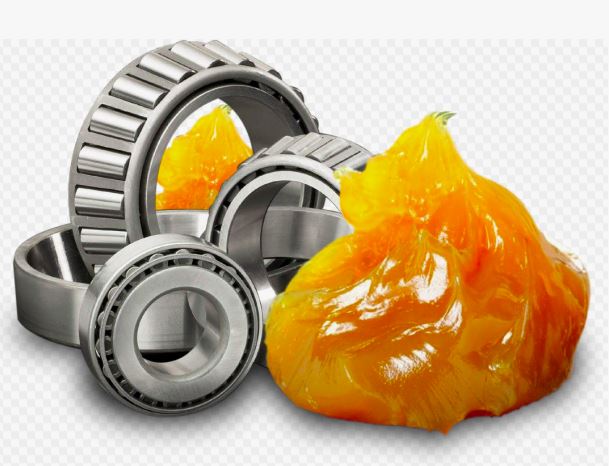
Sodium grease is a lubricating grease with sodium-based thickeners. It has many applications in various industries due to its water resistance and ability to function highly at high temperatures. Grease is applied to sliding and rolling bearings and it performs best under moderate to high temperature conditions. The shortcomings of this grease are its less good use where extreme pressure together with water washout is required.
Different Types Of Grease and Their Uses
CALCIUM GREASE
Calcium grease uses is one of the first greases that were produced for general application. Among many of its features, this all-purpose grease gives excellent water resistance, good corrosion protection, and excellent mechanical stability. However, this lubricant has to be applied only under low temperatures because high temperatures may change its structure. Currently, calcium grease and calcium complex grease find most of their usages in the marine, industrial, automotive, and agricultural fields.
LITHIUM GREASE
The multipurpose grease, lithium grease has durability, high viscosity, and stability. It is made for giving prolonged protection against oxidation, corrosion, extreme temperatures, and wear and tear. Lithium and lithium complex greases also have excellent lubrication properties that resist water, shock loads, and pressure. They can be used on everything from automotive to gardening, industrial and household, demanding metal-to-metal applications.
ALUMINIUM COMPLEX GREASE
Aluminium complex grease has several advantages-it has an extremely high service temperature, good resisting properties to water, anticorrosive and anti-rust, anti-oxidation capabilities and good shear stability. Boulders of aluminium complex greases are best suited to the food sector but have also been found to give the finest output as compared to the automobile, steel milling, construction and farming sectors.
BARIUM COMPLEX GREASE
Barium complex grease is an advanced grease highly known for its mechanical stability, high-temperature resistance, and ability to withstand heavy loads and high speeds, excellent water tolerance, great oxidation stability, and resistance to various chemicals. Primarily, barium complex grease is used in demanding applications that include very heavy loads, like in industrial, aeronautical, marine, and manufacturing applications.
BENTONE (CLAY) GREASE
Bentone grease is a clay-based lubricant designed using bentonite clay. Because of that, it sometimes calls non-melt lubricant, since there’s no known dropping point to such lubricant. Its main properties are resistance to temperature changes, great protection against wear and tear, excellent water tolerance, good mechanical or shear stability, and impressive adhesiveness. Bentone grease is the best for highly demanding applications and it is usually utilized in the steel, manufacturing, construction, mining, and ceramic industries.
POLYUREA LUBRICANT
Polyurea lubricant has gained great popularity due to exceptional features, like good resistance to water, excellent oxidation stability, prevent rusting and corrosion, durability, flexibility, mechanical stability along with high temperature performance. Polyurea lubricant is used in long-life applications and is widely used in different industries. It is thought to be necessary in the lubrication of steel plants and electric motors.
SODIUM GREASE
Sodium grease is made from the blending of soda soap with additives and base oils. Such a blend provides solid shear stability, high dropping point, excellent rust protection, and good lubrication but poor water resistance along with oxidation stability. Due to the drawbacks, The grease is now mainly utilized for lubrication purposes of rolling contact bearings. In addition to this, it is also widely blended with other greases in an attempt to develop grease of higher quality and value.
All the seven types of grease discussed can be termed as multipurpose (MP) greases, extreme pressure (EP) greases, marine greases, heavy-duty greases, specialty greases, automotive greases, industry greases, and so on, depending on exclusive characteristics of base oils, additives, and thickeners used in the process of manufacture.
Sodium Grease Applications: Properties, and Benefits
Sodium based grease are more preferred in industrial and automotive usages because of these peculiar properties. Good shear stability makes the grease suitable for usage in bearings under high speed and within moderate limits of temperature. Its applications can range from general machine lubrication to very specific applications such as construction or agricultural equipment usages. The chemical, however, provides excellent water resistance and corrosion-protection capabilities and reliable performance up to 150°C, making it a preferred choice for use with the equipment that ranges widely exposed to the whole scale of variable weather.
Sodium Grease vs. Lithium Grease: Key Differences
Though sodium and lithium greases are very widely used in industrial fields, they are obviously different. Sodium greases are better suited for applications requiring water resistance and heat resistance; however, they lack extreme pressure properties as in the case of lithium. Lithium grease, on the other hand, is more versatile and hence superior over a wide range of temperatures and load-bearing conditions. But again, These grease is frequently preferred for cost-effectiveness and ability to perform in high water rich environments.
How Sodium Grease Enhances Industrial Machinery Performance
This grease will immensely minimize friction as well as wear in industrial machines. Its ability to create a thin film on metal surfaces eradicates direct metal-to-metal contact and prolongs the lifespan of bearings and moving parts. Resistance to water washout is another feature that distinguishes sodium grease, mainly where equipment is exposed to moisture. Additionally, its thermal stability will ensure optimal lubrication even at higher temperatures, thus ensuring smooth and consistent operations.
Top Uses of Sodium Grease in Automotive Maintenance

This type of grease is the most commonly utilized in automotive products like wheel bearings, suspension systems, and water pumps. Its resistance to water makes it more applicable when parts are subject to occasional splashes and humid conditions. It also provides superior lubrication of sliding mechanisms, providing nonsqueak and long-life operation of moving parts in vehicles. Of course, it cannot be used in some applications requiring high loads; however, it is still a practical option for the everyday services of maintenance of vehicles.
Why Choose Sodium Grease for High-Temperature Applications?
Sodium grease is preferred at high temperature applications because it remains stable up to 150°C. Unlike other greases, it does not soften readily or break down easily due to heat, so its structure and lubricating qualities are maintained. Therefore, sodium is very suitable for applications involving constant elevated temperatures, such as electric motors, conveyor belts, and manufacturing equipment. For its part, choosing sodium grease guarantees steady performance in service and reduces overheating in critical parts.
The Role of Sodium Grease in Reducing Friction and Wear
Sodium grease works because it fills in and protects the parts by reducing friction and wear through a lubricating film formed between moving surfaces. This eliminates metal-to-metal contact, reduces the shear heat generated, and ensures that wear to parts is minimal. Protective barrier against contaminants: The grease shields against dust, water, and many other contaminants that cause abrasion or corrosion, thus extending the equipment’s life. Smooth motion: Effective lubrication of the bearings and gear mechanisms causes the friction and wear on parts to decrease, thereby improving efficiency and lowering the maintenance costs.
Understanding the Chemical Composition of Sodium Grease
Sodium in engine oil greases, which utilize sodium soaps from derived fatty acids to thicken mineral or synthetic oil, comprise a special composition that demonstrates the important property of having a significant resistance to water and is thermally stable. The fiber structure of sodium-based thickeners in grease allows it to be in place when operating. These grease is another type of ingredient whose chemical structure enables it to keep viscosity and protective characteristics even at different temperatures. Hence, it finds suitable industrial or automotive applications.
Sodium Grease: Maintenance Tips for Longer Equipment Life
Grease chemical structure proper maintenance of heavy equipment with the use of sodium grease will make the equipment live longer. Apply the grease evenly and in the correct amount to prevent excess buildup for better results. A check on contamination or degradation should also be conducted frequently, especially in high temperature applications. Na-grease should be stored in a cool dry place in order for the qualities when kept over time. Regular application following the manufacturer’s guidelines ensures proper running and lengthier machinery life.
Sodium Grease in Marine Applications: Advantages and Challenges
Sodium grease is very water-resistant and hence appropriate for use in marine environments. It is applied in numerous machine parts, like trailer boat trailers and winches, to act as a shield against corrosion caused by salt water. The grease stops the spread of moisture, which in turn prevents rust and corrosion of the metal surface. However, sodium grease should not be suggested for heavy-load applications, like where most marine engines often work. It provides excellent protection against water damage but its weaknesses in extreme pressure situations have to be taken into account.
How to Apply Sodium Grease for Optimal Results
Apply grease in such a manner to maximize lubrication efficiency: Clean the surfaces, that means free of old grease and contaminants. Grease application with the grease gun is accurate, so all moving parts must get an even coat. Apply just enough grease, since excessive grease will both overheat and attract dirt, which could end up damaging the bearing. Apply grease to bearings by pushing grease right into the bearing cavity directly, and follow the equipment manufacturer’s guidance on how much grease and its time schedule for reapplying the best results.
Sodium Grease Formulations: Choosing the Right Type for Your Needs
There are a variety of formulations for grease, and each type is designed to meet a specific requirement. For example, greases which contain blends of sodium-based corrosion inhibitor types suitable for outdoor equipment with frequent moisture exposures or heavier-duty machinery types made from higher viscosity oils. It is important to select the proper formulation of sodium grease based on a temperature range, moisture exposures, or load conditions. You’ll be able to identify what conditions your equipment is operating under, so you can pick a sodium grease that best delivers both good performance and protection.
Benefits of Using Sodium Grease in Heavy-Duty Equipment
Another benefit of sodium grease for heavy-duty equipment is providing improved lubrication, resistance to water, and elevated thermal stability. It would work well in general applications or where there might be bearing friction or gear and chain applications; thus it is a good candidate for agricultural and construction machinery. It would work very well in outdoor equipment in its chances of rain or moisture environments. Sodium grease could assist in an economy of maintenance since it does not have to be applied as often in heavy-duty applications.
Sodium Grease Compatibility with Different Materials
Sodium grease is generally non-reactive with many metals, thus making it an all-purpose industrial lubricant. There, however are aspects to consider, such as the material that the lubricant is intended to work on. It should not be used with plastics and certain types of rubber since it will degrade with time. Knowing the compatibility of materials helps to ensure that destructive pressure in seals and gaskets to other non-metal parts of equipment is avoided, which would translate into a longer lifespan for the equipment.
Safety Considerations When Handling Sodium Grease
Sodium grease handling requires adherence to all the precautions taken. In general, gloves and eye protective equipment should be worn when using the grease. It should not come into contact with skin directly. Proper ventilation should be maintained while this is applied in a closed room environment. Any spills should be absorbed using absorbent materials; they should then be disposed according to local regulation. Store the sodium grease away from the sources of heat and open flames in order to preserve the state of stability and safety during its application.
Final Thoughts
Sodium grease is a good, tough lubricant in many industrial and automotive applications because of its water-resistant properties and performance under moderate and high temperatures. Although it does not do well under extreme pressure circumstances, it works satisfactorily under moist environments and where temperature ranges are moving about: in this sense, it helps to protect against corrosion and wear. The low-cost and stability of sodium grease make it preferred for many applications. Understanding the special benefits and limitations of sodium grease assures its proper application, thus potentially extending the lifetime of the machinery or minimizing maintenance requirements.
FAQs
Grasa sódica (sodium grease) is a petroleum-based grease thickened with sodium soap. It is characterized by its high melting point and is suitable for lubricating high-temperature applications, such as wheel bearings in cars. However, it is not water-resistant.
Sodium soap grease is a petroleum-based grease thickened with sodium soap. It has a high melting point, making it excellent for high-temperature applications like wheel bearings. Its key drawback is that it is not water-resistant and can wash out easily.
Yes, sodium grease has good water-resistant properties, making it suitable for applications where equipment is exposed to moisture or occasional water splashes.
Petroleum-based greases are semi-solid lubricants made from mineral oil (the lubricant) thickened with soap. They are used to reduce friction and protect machinery components where liquid oils cannot stay in place.
Sodium grease can be used in marine applications due to its water resistance. However, it is not ideal for high-load marine engines, as it lacks extreme pressure properties.
Sodium grease should be applied evenly using a grease gun or by hand, ensuring that all moving parts are thoroughly coated. Avoid over-application to prevent buildup.
Sodium grease is compatible with most metals but may not be suitable for certain types of plastics or rubber, as it can cause degradation over time.
Yes, sodium grease is suitable for high-speed bearings due to its good shear stability, making it effective in reducing friction and wear in these applications.

Radiator Stop Leak UAE: Quick Fix for Vehicle Cooling System Leaks
Radiator Stop Leak UAE: Quick Fix for Vehicle Cooling System Leaks Discover More Introduction: The Unforgiving UAE Climate and Your Vehicle’s Lifeline The United Arab Emirates’ automotive landscape is defined by extremes. Ambient temperatures that regularly surpass 45°C (113°F), coupled with intense urban congestion and long, high-speed desert drives, create a perfect storm of thermal stress for every vehicle. In this environment, your engine cooling system is not merely a subsystem; it is the single most critical component preventing catastrophic engine failure.
What Type of Transmission Oil in UAE Does My Car Need? Your Complete Guide
What Type of Transmission Oil in UAE Does My Car Need? Your Complete Guide Discover More Navigating the vast, sun-baked highways of the United Arab Emirates—from the dynamic urban sprawls of Dubai and Abu Dhabi to the majestic desert dunes and the tranquil mountain passes of the Hajar range—places extraordinary mechanical and thermal stress on every component of your vehicle. While conscientious drivers often prioritize engine oil changes, the vital lifeblood safeguarding the transmission, the complex heart of your car’s

Guide to UAE Turbine Oil Selection Application & Management for Industrial Facilities
Guide to UAE Turbine Oil Selection, Application, and Management for Industrial Facilities Discover More In the hyper-competitive industrial landscape of the United Arab Emirates, where operational excellence directly translates to economic advantage, turbine lubrication represents a critical nexus of reliability engineering and strategic asset management. This comprehensive guide, developed with technical insights from Rumanza Lubricants, provides an unprecedented deep dive into the science, selection criteria, and life-cycle management of turbine oils specifically engineered for the extreme operating conditions of the

Synthetic vs. Mineral Hydraulic Oil in UAE : Which is Best for Your Operation?
Synthetic vs. Mineral Hydraulic Oil in UAE : Which is Best for Your Operation? Discover More Across the dynamic landscape of the United Arab Emirates—from the megaprojects of Dubai Marina to the intricate conveyor systems of Jebel Ali Port, from the massive hydraulic shovels in Al Dhafra quarries to the precision automated lines in Abu Dhabi’s industrial cities—the silent, powerful force of hydraulics is indispensable. These systems convert fluid power into monumental force and precise motion. At the core of

What is a Pour Point Depressant? | Benefits, Uses & How It Works Mechanism
What is a Pour Point Depressant? | Benefits, Uses & How It Works Mechanism Discover More In the intricate world of lubricant formulation, few additives play as critical yet understated a role in cold-weather operability as Pour Point Depressants (PPDs). These specialized chemical compounds are the linchpin that prevents machinery from seizing up when temperatures plummet. This in-depth guide goes beyond the basics, exploring the sophisticated chemistry, detailed mechanism, nuanced benefits, and practical considerations of PPDs. We will also examine the

Guide to Gasoline Engine Oils for UAE’s Extreme Climate: Engineering Peak Performance
Gasoline Engine Oils for UAE’s Extreme Climate: Engineering Peak Performance Discover More In the heart of the Arabian Peninsula, the United Arab Emirates stands as a testament to human ambition, with its engineering marvels and endless highways. Yet, this environment of soaring achievement is also one of the most punishing on Earth for machinery. For your vehicle—whether a nimble city sedan, a powerful family SUV, or a high-performance sports car—the UAE’s climate is a relentless adversary. The choice of engine

What are Polyol Ester Oils & Lubricants – Properties & Applications
What are Polyol Ester Oils & Lubricants – Properties & Applications Discover More In the intricate world of industrial machinery, automotive engines, and advanced refrigeration systems, the choice of lubricant is not merely a maintenance task—it’s a critical engineering decision. While conventional mineral oils have served us for over a century, the demands of modern technology require fluids that can perform under extreme pressure, temperature, and environmental stress. This is where synthetic lubricants, specifically Polyol Ester oils, come to the forefront.

Guide to Choosing the Right Lithium Complex Grease in UAE
Guide to Choosing the Right Lithium Complex Grease in UAE for Unbeatable Performance Discover More In the heart of a region defined by its ambition and extreme climate, the machinery that builds and powers the UAE operates under immense pressure. From the towering cranes sculpting Dubai’s skyline to the massive haul trucks in Abu Dhabi’s industrial zones and the relentless conveyor systems in Jebel Ali Port, every moving part is a critical link in the chain of progress. Protecting these
Lithium Grease UAE – Buy Multi-Purpose Lubricant Grease
Lithium Grease UAE – Buy Multi-Purpose Lubricant Grease Discover More In the relentless engine of the United Arab Emirates’ economy—where monumental construction, non-stop logistics, and a climate of extreme heat and abrasive sand are the norm—the battle against friction and corrosion is perpetual. The integrity of a construction crane’s slewing ring, the smooth operation of a delivery fleet’s wheel bearings, and the silent efficiency of a hotel’s HVAC system all hinge on a single, critical decision: the choice of lubricant.
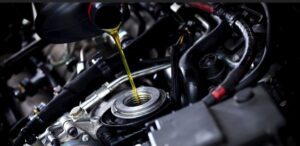
Best CNG Engine Oil in UAE for Cars – Protect Your CNG Engine
Best CNG Engine Oil in UAE for Cars – Protect Your CNG Engine Discover More The automotive landscape in the UAE is undergoing a quiet revolution. As fuel prices fluctuate and environmental consciousness grows, more and more drivers are making the intelligent switch to Compressed Natural Gas (CNG). CNG-powered cars offer significant cost savings on fuel and produce fewer emissions, making them an economically and ecologically sound choice. However, this transition comes with a critical responsibility: understanding that a CNG