
What is Transformer Oil? Types, Properties, Uses, and Comparisons

Transformer oil is a critical component in electrical power systems, ensuring the efficient and safe operation of transformers. It acts as both an insulator and a coolant, preventing electrical breakdowns and dissipating heat generated during transformer operation. In this detailed guide, we will explore what transformer oil is, its different types, key properties, applications, maintenance, and how to choose the best oil for your needs. We’ll also introduce Rumanza Transformer Oil, a premium brand known for its high-performance insulating oils.

What is Transformer Oil?

Transformer oil, also known as insulating oil, is a specially refined mineral or synthetic oil used in electrical transformers, circuit breakers, and other high-voltage equipment. It serves three primary functions:

  1. Electrical Insulation – Prevents short circuits and arcing by insulating live components.

  2. Cooling – Absorbs and dissipates heat generated by transformer windings.

  3. Protection – Shields internal parts from oxidation, moisture, and contaminants.

Transformer oils must meet strict industry standards (such as IEC 60296 and ASTM D3487) to ensure reliability in high-voltage environments.

Types of Transformer Oil

Transformer oils are classified into three main categories based on their composition:

A. Mineral-Based Transformer Oil

Derived from crude petroleum, mineral oil is the most widely used transformer oil due to its excellent dielectric properties and cost-effectiveness.

Subtypes of Mineral Oil:

  1. Paraffin-Based Oil

    • Advantages: High oxidation stability, longer lifespan.

    • Disadvantages: Forms sludge at low temperatures, less suitable for cold climates.

  2. Naphthene-Based Oil

    • Advantages: Better low-temperature performance, less sludge formation.

    • Disadvantages: Slightly lower oxidation stability than paraffin-based oils.

B. Synthetic Transformer Oil

Synthetic oils are engineered for superior thermal and chemical stability. They are often used in high-risk environments.

Types of Synthetic Oils:

  1. Silicone-Based Oil

    • Advantages: High flash point, non-flammable, long service life.

    • Disadvantages: Expensive, not biodegradable.

  2. Ester-Based Oil (Natural & Synthetic Esters)

    • Advantages: Biodegradable, excellent fire resistance, high thermal stability.

    • Disadvantages: Higher cost than mineral oils.

C. Bio-Based Transformer Oil (Natural Esters)

Made from vegetable oils (e.g., soybean, rapeseed), bio-based oils are environmentally friendly and increasingly used in green energy projects.

Advantages:

  • Eco-friendly – Biodegradable and non-toxic.

  • High fire resistance – Safer for indoor and sensitive installations.

  • Excellent thermal properties – Extends transformer lifespan.

Disadvantages:

  • Higher cost than conventional mineral oils.

  • Limited availability in some regions.

Key Properties of Transformer Oil

For optimal performance, transformer oil must meet specific electrical, thermal, chemical, and physical properties.

A. Electrical Properties

  1. Dielectric Strength – Measures insulation capability (should be >30 kV).

  2. Resistivity – High resistivity prevents current leakage.

  3. Dissipation Factor (Tan δ) – Indicates energy loss (lower values are better).

B. Thermal Properties

  1. Flash Point – Minimum ignition temperature (should be >140°C).

  2. Pour Point – Lowest temperature at which oil flows (important for cold climates).

  3. Thermal Conductivity – Determines cooling efficiency.

C. Chemical Properties

  1. Acidity (Neutralization Number) – Low acidity prevents corrosion.

  2. Oxidation Stability – Resistance to degradation over time.

  3. Interfacial Tension – Indicates oil degradation (higher values mean cleaner oil).

D. Physical Properties

  1. Viscosity – Affects flow and cooling (lower viscosity improves efficiency).

  2. Color & Clarity – Darkening indicates contamination or aging.

Uses of Transformer Oil

Transformer oil is essential in various electrical applications:

A. Power Transformers

  • Used in distribution and transmission transformers.

  • Ensures insulation and cooling under high loads.

B. Circuit Breakers & Switchgear

  • Prevents arcing in high-voltage electrical switches.

C. Capacitors & Voltage Regulators

  • Enhances insulation and heat dissipation.

D. Renewable Energy Systems

  • Used in wind turbines and solar power transformers.

E. Industrial Applications

  • Found in large motors, generators, and electric furnaces.

Maintenance & Testing of Transformer Oil

Regular testing ensures transformer oil remains effective and prolongs equipment life.

A. Common Tests

  1. Dielectric Strength Test – Checks insulation breakdown voltage.

  2. Dissolved Gas Analysis (DGA) – Detects internal faults like overheating.

  3. Moisture Content Test – Ensures oil dryness (should be <35 ppm).

  4. Acidity Test – Measures corrosive potential (should be <0.1 mg KOH/g).

B. Maintenance Tips

  • Filtration & Reconditioning – Removes sludge and impurities.

  • Replacement – Necessary if oil degrades beyond recovery.

  • Storage – Keep in sealed, moisture-free containers.

Comparison of Transformer Oils (Mineral vs. Synthetic vs. Bio-Based)

PropertyMineral OilSynthetic Oil (Silicone/Ester)Bio-Based Oil (Natural Ester)
Dielectric StrengthHigh (30-50 kV)High (35-60 kV)High (30-55 kV)
Flash Point~140-160°C~250-300°C (Silicone) / ~200-250°C (Ester)~300-330°C
Pour Point-30°C to -40°C-50°C to -60°C (Silicone) / -30°C to -40°C (Ester)-20°C to -30°C
Oxidation StabilityModerateHigh (Silicone) / Very High (Ester)High
BiodegradabilityNoNo (Silicone) / Yes (Ester)Yes
CostLowHighModerate to High
ApplicationsGeneral-purpose transformersHigh-risk, high-temperature environmentsEco-sensitive areas, green energy

Why Choose Rumanza Transformer Oil?

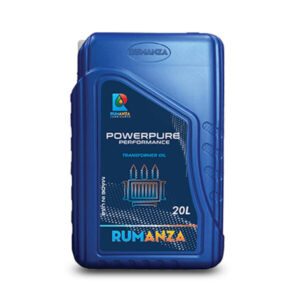
When selecting transformer oil, quality and reliability are crucial. Rumanza Transformer Oil offers:

✔ Superior Dielectric Strength – Ensures maximum insulation efficiency.
✔ Excellent Thermal Stability – Reduces breakdown risks.
✔ Low Viscosity – Enhances cooling performance.
✔ Oxidation Resistance – Extends oil lifespan.
✔ Compliance with Global Standards – Meets IEC 60296, ASTM D3487.

Trusted by industries worldwide, Rumanza Transformer Oil is the ideal choice for powering electrical systems safely and efficiently.

Final Thoughts

Transformer oil is indispensable in electrical infrastructure, providing insulation, cooling, and protection. Understanding its types, properties, and maintenance helps in selecting the best oil for your needs. Whether you use mineral, synthetic, or bio-based oils, regular testing ensures optimal performance.

For high-quality, reliable transformer oil, Rumanza Transformer Oil delivers unmatched efficiency and durability. Choose wisely to keep your transformers running smoothly for years to come.

Need expert advice on selecting the right transformer oil? Contact us today!

FAQs

Transformer oil serves two main purposes:

  • Electrical insulation – Prevents arcing and short circuits.

  • Cooling – Dissipates heat generated in transformers.

The three main types are:

  • Mineral oil (most common, cost-effective)

  • Synthetic oil (silicone or ester-based, high thermal stability)

  • Bio-based oil (natural esters, eco-friendly)

Routine testing should be done:

  • Annually for normal operating conditions.

  • Every 6 months for critical or high-load transformers.

  • After major faults (e.g., overheating, electrical surges).

Common indicators include:

  • Dark color (due to oxidation).

  • High acidity (causes corrosion).

  • Low dielectric strength (increased breakdown risk).

  • Sludge formation (impairs cooling).

Yes, if it meets industry standards (IEC/ASTM). Reconditioning involves:

  • Filtration (removes particles).

  • Dehydration (reduces moisture).

  • Degassing (eliminates dissolved gases).

Gasoline Engine Oils for UAE

Guide to Gasoline Engine Oils for UAE’s Extreme Climate: Engineering Peak Performance

Gasoline Engine Oils for UAE’s Extreme Climate: Engineering Peak Performance Discover More In the heart of the Arabian Peninsula, the United Arab Emirates stands as a testament to human ambition, with its engineering marvels and endless highways. Yet, this environment of soaring achievement is also one of the most punishing on Earth for machinery. For your vehicle—whether a nimble city sedan, a powerful family SUV, or a high-performance sports car—the UAE’s climate is a relentless adversary. The choice of engine

Read More »

What are Polyol Ester Oils & Lubricants – Properties & Applications

What are Polyol Ester Oils & Lubricants – Properties & Applications Discover More In the intricate world of industrial machinery, automotive engines, and advanced refrigeration systems, the choice of lubricant is not merely a maintenance task—it’s a critical engineering decision. While conventional mineral oils have served us for over a century, the demands of modern technology require fluids that can perform under extreme pressure, temperature, and environmental stress. This is where synthetic lubricants, specifically Polyol Ester oils, come to the forefront.

Read More »
Lithium Complex Grease UAE

Guide to Choosing the Right Lithium Complex Grease in UAE

Guide to Choosing the Right Lithium Complex Grease in UAE for Unbeatable Performance Discover More In the heart of a region defined by its ambition and extreme climate, the machinery that builds and powers the UAE operates under immense pressure. From the towering cranes sculpting Dubai’s skyline to the massive haul trucks in Abu Dhabi’s industrial zones and the relentless conveyor systems in Jebel Ali Port, every moving part is a critical link in the chain of progress. Protecting these

Read More »
Lithium Grease UAE

Lithium Grease UAE – Buy Multi-Purpose Lubricant Grease

Lithium Grease UAE – Buy Multi-Purpose Lubricant Grease Discover More In the relentless engine of the United Arab Emirates’ economy—where monumental construction, non-stop logistics, and a climate of extreme heat and abrasive sand are the norm—the battle against friction and corrosion is perpetual. The integrity of a construction crane’s slewing ring, the smooth operation of a delivery fleet’s wheel bearings, and the silent efficiency of a hotel’s HVAC system all hinge on a single, critical decision: the choice of lubricant.

Read More »
Best CNG Engine Oil in UAE for Cars

Best CNG Engine Oil in UAE for Cars – Protect Your CNG Engine

Best CNG Engine Oil in UAE for Cars – Protect Your CNG Engine Discover More The automotive landscape in the UAE is undergoing a quiet revolution. As fuel prices fluctuate and environmental consciousness grows, more and more drivers are making the intelligent switch to Compressed Natural Gas (CNG). CNG-powered cars offer significant cost savings on fuel and produce fewer emissions, making them an economically and ecologically sound choice. However, this transition comes with a critical responsibility: understanding that a CNG

Read More »
Calcium Sulphonate Grease UAE

Calcium Sulphonate Grease UAE | High-Temperature Grease

Calcium Sulphonate Grease UAE | High-Temperature Grease Discover More Introduction: The Unforgiving Demands of UAE Industry The United Arab Emirates stands as a global titan of industry and infrastructure. From the sprawling metallurgical plants in Mussafah and the massive port operations of Jebel Ali to the relentless pace of construction shaping Dubai’s skyline and the vast logistics hubs of Al Ain, the machinery that powers this nation operates under extreme duress. Soaring ambient temperatures that regularly exceed 45°C, pervasive dust

Read More »
rubber process oil

What is Rubber Process Oil? | Guide to Applications, Benefits, and Selection

What is Rubber Process Oil? | Guide to Applications, Benefits, and Selection Discover More In the sophisticated ecosystem of rubber manufacturing, raw polymers are the canvas, but rubber process oil is the essential medium that brings the masterpiece to life. It is the critical component that transforms rigid, unworkable raw materials into the versatile, durable, and high-performance rubber products that define modern industry and daily convenience. For specialists dedicated to chemical innovation and precision, such as the team at Rumanza Lubricants, the science

Read More »