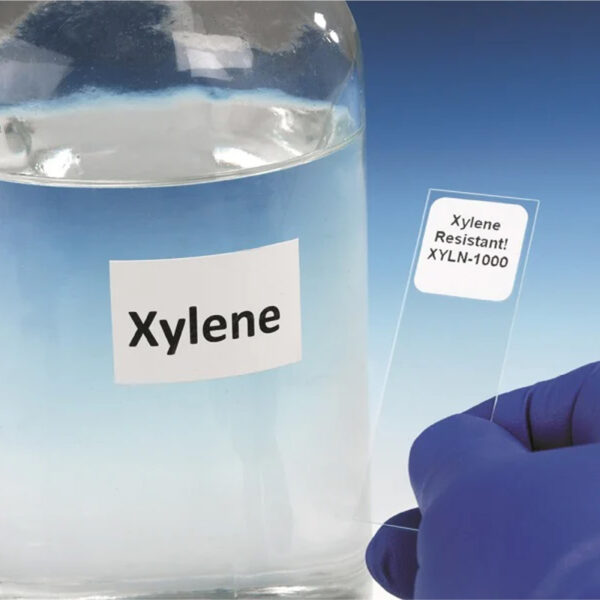
What Is Xylene? Uses, Benefits & Safety Tips for Automotive & Industrial Applications

Xylene is a versatile hydrocarbon widely used in automotive, industrial, and chemical manufacturing due to its solvent properties. As a key component in paints, adhesives, and fuel additives, xylene plays a crucial role in various industrial processes. This article explores what xylene is, its primary uses, benefits in automotive and industrial applications, and essential safety tips for handling this chemical.

Xylene is a colorless, flammable aromatic hydrocarbon with a sweet odor, similar to toluene. It is a mixture of three isomers: ortho-xylene, meta-xylene, and para-xylene, each having slightly different properties, though they share similar characteristics and uses. Xylene is primarily used as a solvent in various industrial applications, but it also has other roles in the chemical and manufacturing sectors.

What Is Xylene? Chemical Composition & Properties

Xylene (C₈H₁₀) is an aromatic hydrocarbon derived from petroleum refining and coal tar distillation. It exists in three isomeric forms, each with distinct industrial applications:

IsomerStructurePrimary Use
Ortho-xylene (o-xylene)Two methyl groups adjacentPhthalic anhydride (plastics, dyes)
Meta-xylene (m-xylene)Methyl groups separated by one carbonIsophthalic acid (resins, coatings)
Para-xylene (p-xylene)Methyl groups opposite each otherPolyester fibers, PET bottles

Key Physical & Chemical Properties

  • Appearance: Colorless, sweet-smelling liquid

  • Boiling Point: ~138–144°C (varies by isomer)

  • Solubility: Miscible with organic solvents; immiscible with water

  • Flammability: Highly flammable (Flash point: ~25–30°C)

  • Evaporation Rate: Faster than water, slower than acetone

These properties make xylene an excellent solvent for resins, paints, and adhesives while requiring careful handling due to flammability.

Primary Uses of Xylene in Automotive & Industrial Sectors

1. Automotive Applications

Xylene is a critical component in automotive manufacturing and maintenance due to its solvent properties. Key uses include:

  • Paint Thinner & Coating Agent – Xylene is a primary ingredient in automotive paint thinners, helping maintain viscosity and ensuring smooth application.

  • Fuel Additive – Enhances octane ratings in gasoline, improving engine performance and combustion efficiency.

  • Adhesive & Sealant Production – Used in manufacturing high-strength adhesives for vehicle assembly and repairs.

  • Cleaning Agent for Engine Parts – Effectively removes grease, tar, and residues from mechanical components.

2. Industrial & Manufacturing Uses

Beyond automotive applications, xylene is widely used in industrial processes:

  • Printing & Leather Processing – Acts as a solvent in inks, dyes, and leather tanning.

  • Rubber & Plastic Manufacturing – Helps in dissolving raw materials for synthetic rubber and plastic production.

  • Medical & Laboratory Applications – Used in tissue processing, histology, and as a clearing agent in microscopy.

Benefits of Xylene in Industrial & Automotive Processes

While xylene is highly useful, improper handling can pose health and safety risks. Follow these guidelines to ensure safe usage:

1. Personal Protective Equipment (PPE)

  • Wear chemical-resistant gloves (nitrile or neoprene) to prevent skin contact.

  • Use safety goggles and face shields to protect eyes from splashes.

  • Ensure proper respiratory protection (NIOSH-approved masks) in poorly ventilated areas.

2. Proper Ventilation & Storage

  • Store xylene in sealed, flame-resistant containers away from heat sources.

  • Work in well-ventilated areas or use fume hoods to prevent inhalation of vapors.

3. Handling & Spill Management

  • Avoid direct skin contact; wash immediately with soap and water if exposed.

  • In case of spills, use absorbent materials (sand, vermiculite) and dispose of them as hazardous waste.

4. Fire Safety Measures

  • Xylene is highly flammable—keep away from open flames and sparks.

  • Use CO₂ or dry chemical fire extinguishers for xylene-related fires.

5. Regulatory Compliance

  • Follow OSHA, EPA, and local regulations for xylene storage, usage, and disposal.

  • Ensure proper hazard communication (GHS labeling) on containers.

Safety Tips for Handling Xylene in Automotive & Industrial Settings

While xylene is highly useful, improper handling can pose health and safety risks. Follow these guidelines to ensure safe usage:

1. Personal Protective Equipment (PPE)

  • Wear chemical-resistant gloves (nitrile or neoprene) to prevent skin contact.

  • Use safety goggles and face shields to protect eyes from splashes.

  • Ensure proper respiratory protection (NIOSH-approved masks) in poorly ventilated areas.

2. Proper Ventilation & Storage

  • Store xylene in sealed, flame-resistant containers away from heat sources.

  • Work in well-ventilated areas or use fume hoods to prevent inhalation of vapors.

3. Handling & Spill Management

  • Avoid direct skin contact; wash immediately with soap and water if exposed.

  • In case of spills, use absorbent materials (sand, vermiculite) and dispose of them as hazardous waste.

4. Fire Safety Measures

  • Xylene is highly flammable—keep away from open flames and sparks.

  • Use CO₂ or dry chemical fire extinguishers for xylene-related fires.

5. Regulatory Compliance

  • Follow OSHA, EPA, and local regulations for xylene storage, usage, and disposal.

  • Ensure proper hazard communication (GHS labeling) on containers.

Xylene vs. Alternative Solvents (Comparison Table)

SolventProsConsBest Used For
XyleneStrong solvency, cost-effectiveFlammable, toxicPaints, adhesives, fuel additives
TolueneFaster evaporation, stronger solventMore volatile, harsher fumesIndustrial degreasers, nail polish
AcetoneFast-drying, low toxicityWeak solvency for resinsLabs, cosmetics, plastics
Isopropyl Alcohol (IPA)Non-toxic, disinfectantPoor for heavy oilsElectronics cleaning, sanitizers

Conclusion: Is Xylene the Right Solvent for Your Needs?

Rumanza Xylene remains a vital chemical in automotive, industrial, and manufacturing sectors due to its solvent efficiency, fast evaporation, and cost-effectiveness. However, proper safety protocols, PPE usage, and regulatory compliance are essential to mitigate health and environmental risks. By understanding its uses, benefits, and safety measures, industries can leverage xylene’s advantages while ensuring workplace safety and sustainability.

FAQs

No, xylene is a different chemical. While all three are solvents, xylene evaporates slower than acetone but faster than toluene and is more effective for dissolving heavy oils and resins.
Yes, in some cases, but xylene is stronger and more toxic. It works well for thinning oil-based paints and varnishes but requires better ventilation and safety measures.
Store xylene in sealed, flame-resistant containers away from heat sources. Keep it in a well-ventilated area with proper GHS hazard labeling.
Workers should wear:Nitrile or neoprene glovesSafety goggles or face shieldNIOSH-approved respirator (if ventilation is poor)Chemical-resistant apron (for large spills)
Yes, xylene can be distilled and purified for reuse in industrial applications. However, contaminated xylene must be disposed of as hazardous waste.
Radiator Stop Leak UAE

Radiator Stop Leak UAE: Quick Fix for Vehicle Cooling System Leaks

Radiator Stop Leak UAE: Quick Fix for Vehicle Cooling System Leaks Discover More Introduction: The Unforgiving UAE Climate and Your Vehicle’s Lifeline The United Arab Emirates’ automotive landscape is defined by extremes. Ambient temperatures that regularly surpass 45°C (113°F), coupled with intense urban congestion and long, high-speed desert drives, create a perfect storm of thermal stress for every vehicle. In this environment, your engine cooling system is not merely a subsystem; it is the single most critical component preventing catastrophic engine failure.

Read More »
Transmission Oil in UAE

What Type of Transmission Oil in UAE Does My Car Need? Your Complete Guide

What Type of Transmission Oil in UAE Does My Car Need? Your Complete Guide Discover More Navigating the vast, sun-baked highways of the United Arab Emirates—from the dynamic urban sprawls of Dubai and Abu Dhabi to the majestic desert dunes and the tranquil mountain passes of the Hajar range—places extraordinary mechanical and thermal stress on every component of your vehicle. While conscientious drivers often prioritize engine oil changes, the vital lifeblood safeguarding the transmission, the complex heart of your car’s

Read More »
UAE Turbine Oil

Guide to UAE Turbine Oil Selection Application & Management for Industrial Facilities

Guide to UAE Turbine Oil Selection, Application, and Management for Industrial Facilities Discover More In the hyper-competitive industrial landscape of the United Arab Emirates, where operational excellence directly translates to economic advantage, turbine lubrication represents a critical nexus of reliability engineering and strategic asset management. This comprehensive guide, developed with technical insights from Rumanza Lubricants, provides an unprecedented deep dive into the science, selection criteria, and life-cycle management of turbine oils specifically engineered for the extreme operating conditions of the

Read More »
Hyderolic Oil in UAE

Synthetic vs. Mineral Hydraulic Oil in UAE : Which is Best for Your Operation?

Synthetic vs. Mineral Hydraulic Oil in UAE : Which is Best for Your Operation? Discover More Across the dynamic landscape of the United Arab Emirates—from the megaprojects of Dubai Marina to the intricate conveyor systems of Jebel Ali Port, from the massive hydraulic shovels in Al Dhafra quarries to the precision automated lines in Abu Dhabi’s industrial cities—the silent, powerful force of hydraulics is indispensable. These systems convert fluid power into monumental force and precise motion. At the core of

Read More »
Pour Point Depressant

What is a Pour Point Depressant? | Benefits, Uses & How It Works Mechanism

What is a Pour Point Depressant? | Benefits, Uses & How It Works Mechanism Discover More In the intricate world of lubricant formulation, few additives play as critical yet understated a role in cold-weather operability as Pour Point Depressants (PPDs). These specialized chemical compounds are the linchpin that prevents machinery from seizing up when temperatures plummet. This in-depth guide goes beyond the basics, exploring the sophisticated chemistry, detailed mechanism, nuanced benefits, and practical considerations of PPDs. We will also examine the

Read More »
Gasoline Engine Oils for UAE

Guide to Gasoline Engine Oils for UAE’s Extreme Climate: Engineering Peak Performance

Gasoline Engine Oils for UAE’s Extreme Climate: Engineering Peak Performance Discover More In the heart of the Arabian Peninsula, the United Arab Emirates stands as a testament to human ambition, with its engineering marvels and endless highways. Yet, this environment of soaring achievement is also one of the most punishing on Earth for machinery. For your vehicle—whether a nimble city sedan, a powerful family SUV, or a high-performance sports car—the UAE’s climate is a relentless adversary. The choice of engine
Read More »
Polyol Ester Oils

What are Polyol Ester Oils & Lubricants – Properties & Applications

What are Polyol Ester Oils & Lubricants – Properties & Applications Discover More In the intricate world of industrial machinery, automotive engines, and advanced refrigeration systems, the choice of lubricant is not merely a maintenance task—it’s a critical engineering decision. While conventional mineral oils have served us for over a century, the demands of modern technology require fluids that can perform under extreme pressure, temperature, and environmental stress. This is where synthetic lubricants, specifically Polyol Ester oils, come to the forefront.

Read More »