What Type of Transmission Oil in UAE Does My Car Need? Your Complete Guide

Navigating the vast, sun-baked highways of the United Arab Emirates—from the dynamic urban sprawls of Dubai and Abu Dhabi to the majestic desert dunes and the tranquil mountain passes of the Hajar range—places extraordinary mechanical and thermal stress on every component of your vehicle. While conscientious drivers often prioritize engine oil changes, the vital lifeblood safeguarding the transmission, the complex heart of your car’s drivetrain, is frequently overlooked. This oversight can be financially catastrophic. In the UAE’s severe climate, the wrong transmission fluid doesn’t just degrade performance; it can initiate a chain reaction of wear, overheating, and failure. Therefore, the question—what type of transmission oil does my car actually need?—transcends routine maintenance. It is a critical inquiry into vehicle preservation, operational safety, and long-term reliability in one of the world’s most demanding automotive environments.

This comprehensive guide is engineered to serve as your definitive reference. We will dissect the intricate science of transmission fluids, elucidate the decisive impact of the Gulf climate, and provide a meticulous, step-by-step methodology for identifying your vehicle’s exact requirement. Our exploration will integrate technical specifications with practical UAE-centric advice, empowering you to make decisions that enhance gearbox longevity, shift quality, and fuel efficiency. Understanding this topic is an essential component of responsible car ownership in the region, protecting a significant investment from the relentless sun and extreme operating temperatures.

The Engineered Fluid: Understanding Transmission Oil’s Multifaceted Role

To appreciate why the correct fluid is non-negotiable, one must first understand that transmission oil is a masterpiece of chemical engineering, far more sophisticated than a simple lubricant. It is a multi-tasking hydraulic medium formulated with a precise balance of base oils and advanced additive packages. Its core functions are interdependent and critical:

  • Lubrication and Wear Protection: The fundamental duty is to create a durable film between metal components—gears, bearings, synchronizers, and shafts—preventing metal-to-metal contact. Specific extreme pressure (EP) additives are activated under the high loads of gear meshing to prevent pitting and scoring.
  • Heat Transfer and Cooling: Transmissions generate immense heat from friction and, in automatics, from torque converter slip. The fluid acts as a primary coolant, absorbing this heat and transferring it to the transmission case and, ultimately, the external cooler. In UAE summers, this cooling capacity is pushed to its absolute limit.
  • Hydraulic Power Transmission (for Automatics): This is a defining function for Automatic Transmission Fluid (ATF). It serves as the hydraulic working fluid that transmits power through the torque converter and activates an intricate network of valves, servo pistons, and wet clutch packs to enable smooth gear changes. Its friction modifiers and viscosity stability are calibrated for precise clutch engagement.
  • Seal Conditioning and Protection: Special additives keep internal elastomer and rubber seals supple, preventing them from hardening, shrinking, or cracking—a common failure point in arid, hot climates.
  • Contaminant Suspension and Cleanliness: Detergents and dispersants hold microscopic wear particles and sludge in suspension, preventing them from forming harmful deposits. This allows contaminants to be captured by the filter during service.

The failure of any one of these functions due to incorrect or degraded fluid can lead to a cascade of transmission problems.

Fundamental Divide: Automatic Transmission Fluid (ATF) vs. Manual Transmission Oil

The most critical classification is the transmission type. The fluids are chemically and functionally distinct; using one in place of the other will result in guaranteed malfunction and likely irreversible damage.

A. Automatic Transmission Fluid (ATF): The Precision Hydraulic Fluid

Modern automatic transmissions—including conventional planetary automatics, Continuously Variable Transmissions (CVT), and most modern Dual-Clutch Transmissions (DCT)—are marvels of hydraulic and electronic control. Their fluid is a highly specialized product.

  • Core Characteristics: ATF must have a specific kinematic viscosity to flow quickly for smooth shifting yet maintain film strength. Its friction coefficient is meticulously engineered: too high, and shifts become harsh; too low, and clutches slip. It must also have exceptional anti-foaming properties and thermal-oxidative stability.

  • Key Specifications & Approvals (The Manufacturer’s Mandate): These are not guidelines but strict engineering specifications. Common global standards include:

    • General Motors: Dexron-VI (the current global standard, backward compatible with older Dexron-III/H)

    • Ford: Mercon LV (Low Viscosity for improved efficiency)

    • Chrysler/Stellantis: ATF+4® (synthetic-based for extended life)

    • Japanese OEMs: Toyota Type WS (World Standard, a long-life fluid), Honda DW-1, Nissan Matic S & J.

    • European OEMs: Often have the most stringent approvals. Examples include Mercedes-Benz MB 236.15/236.17, BMW LT 71141/LifeGuard 6, and Volkswagen/Audi G 052 162 (for DCT) & G 055 540 (for AT). Using a generic “Euro ATF” is often insufficient.

  • CVT-Specific Fluid: CVTs use a steel belt or chain running on variable pulleys. Their fluid, like NS-3 or CVT FE, is formulated with special friction modifiers for the belt/chain interface and is never interchangeable with conventional ATF.

B. Manual Transmission Oil: The Robust Gear Protector

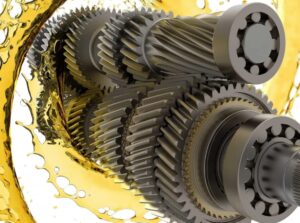
Traditional manual gearboxes and some older or performance-oriented DCTs (often called “manual” in specification) use a thicker, gear-centric oil. The focus shifts from hydraulic precision to mechanical protection.

  • Core Characteristics: These oils are designed for extreme pressure (EP) protection, preventing wear under the high shear forces of gear teeth contact. They must also protect synchronizers (brass, carbon, or sintered bronze) to ensure smooth gear engagement.

  • Viscosity and API Classifications: They are typically graded like 75W-90 or 80W-140. The “W” denotes winter (cold) viscosity. The critical API classification is:

    • API GL-4: Formulated for moderate-duty manual transmissions, especially those with synchronizers. It has a lower level of EP additives that can be corrosive to certain yellow metals (like brass synchronizers).

    • API GL-5: Contains higher levels of aggressive EP additives (like sulphur-phosphorus) for severe-duty hypoid gears in differentials. Crucially, GL-5 can damage synchronizers in many manual gearboxes and should only be used if explicitly specified by the manufacturer.

    • Manufacturer-Specific Fluids: Many modern manuals, particularly from European brands, require unique fluids (e.g., VW G 052 512 A2, BMW MTF-LT-2) that offer tailored friction for synchronizer performance.

The UAE Climate Factor: A Definitive Performance Crucible

The Gulf environment is the ultimate accelerated test for any automotive fluid. The consistent prolonged thermal exposure creates unique challenges:

  • Accelerated Oxidation and Viscosity Breakdown: Heat is the primary enemy of lubricants. At sustained temperatures above 100°C, conventional fluids oxidize rapidly, forming varnish, sludge, and acidic by-products. This leads to increased wear, clogged valves in automatics, and a permanent loss of the fluid’s protective viscosity.

  • Seal and Hose Degradation: The intense, dry heat accelerates the hardening and cracking of external seals, gaskets, and cooler lines, leading to leaks. A high-quality fluid with effective seal conditioners is vital.

  • Thermal Load from Driving Patterns: UAE driving often combines long, high-speed highway runs with frequent stop-start traffic in urban centers. This creates cycles of high heat generation with limited cooling, pushing fluid temperatures even higher.

  • Implication for Fluid Choice: This environment necessitates a fluid with an exceptionally high Viscosity Index (VI)—meaning its thickness changes very little from cold winter mornings (~15°C) to peak summer afternoons (50°C+ ambient, 120°C+ inside the transmission). It also demands superior thermal-oxidative stability and hydrolytic stability (resistance to degradation in the presence of moisture, which can occur from condensation in air-conditioned garages).

Synthetic vs. Conventional: A Critical Comparison for the Region

The choice between synthetic and conventional/base mineral oils is pivotal in the UAE context.

Pros and Cons: Synthetic vs. Conventional Transmission Fluid


FeatureFull-Synthetic Transmission FluidConventional/Mineral-Based Fluid
Molecular StructureUniform, engineered molecules.Irregular, naturally occurring molecules.
High-Temperature StabilityExcellent. Superior resistance to oxidation, thermal breakdown, and varnish formation.Poor to Moderate. Breaks down faster at high temps, common in UAE summers.
Low-Temperature FluidityExcellent. Flows easily at cold start for immediate protection.Fair. Thicker when cold, leading to sluggish shifting and increased wear on startup.
Viscosity Index (VI)Very High. Maintains optimal viscosity across extreme temperature ranges.Lower. Thins out significantly at high temperatures, reducing protection.
Shear StabilityExcellent. Resists permanent thinning under mechanical shearing forces in gears.Lower. Can thin out permanently over time, losing film strength.
Service LifeLonger. Can often extend drain intervals, even under severe service.Shorter. Requires more frequent changes, especially in hot climates.
Fuel EfficiencyPotential Improvement. Reduced internal friction can marginally improve mileage.Standard. No efficiency benefit.
CostHigher initial purchase price.Lower initial purchase price.

Verdict for the UAE: The advantages of full-synthetic formulations are overwhelmingly aligned with the demands of the regional climate. While the initial cost is higher, the investment is justified by extended component life, superior high-temperature protection, and potentially longer service intervals. For any modern vehicle, especially those under manufacturer warranty or subjected to “severe service” (the de facto standard in the UAE), a full-synthetic fluid that meets the OEM specification is the only prudent choice.

Authoritative Decision Pathway: How to Find Your Exact Fluid

Guessing is not an option. Follow this hierarchical methodology:

  1. Primary Source – The Owner’s Manual: This is the incontrovertible authority. Consult the “Fluids and Capacities,” “Technical Data,” or “Maintenance” section. The manufacturer will list the exact specification (e.g., “ATF WS” or “MTF 75W-80 GL-4”).

  2. Secondary Source – Physical Vehicle Checks:

    • Automatic Transmissions: Check the dipstick (if equipped). Many have the fluid type embossed or printed on them.

    • Manual Transmissions: Inspect the area around the filler/check plug on the transmission housing. Some models have a label.

  3. Tertiary Source – Vehicle Identification Number (VIN): Provide your VIN to an authorized dealership or a reputable independent specialist. They can decode it to identify the precise transmission model and its factory-fill specification.

  4. Expert Consultation – UAE Specialist Advice: For vehicles without a manual, modified cars, or those with ambiguous service histories, consult a transmission specialist workshop in Al Quoz (Dubai) or Musaffah (Abu Dhabi), or a brand-certified service center. Their empirical experience with local failure modes and compatible fluid solutions is invaluable.

Action Plan & Service Considerations for UAE Drivers

  1. Identify & Verify: Use the pathway above to lock down the exact OEM specification.

  2. Select the Product: Use the specification as your non-negotiable purchasing filter. Choose a premium, full-synthetic fluid from a reputable brand that explicitly states it meets or exceeds your required specification. Look for mentions of “high-temperature stability” or “extended drain” on the packaging.

  3. Understand Service Procedures:

    • Drain and Refill: The standard, safe method. It typically replaces 30-50% of the total fluid volume. Recommended for routine maintenance.

    • Fluid Exchange/Flush: A machine cycles new fluid through the system under pressure, displacing 90%+ of the old fluid. Crucial Note: For high-mileage vehicles with unknown history, a flush can dislodge debris and cause problems. Always get a professional diagnosis before opting for a flush.

  4. Adhere to Severe Service Intervals: The UAE climate categorically qualifies as “severe service.” Consider reducing the manufacturer’s recommended transmission service interval by 30-40%. If the manual suggests 100,000 km under normal conditions, 60,000-70,000 km is a more prudent interval for UAE driving.

Conclusion: The Foundation of Uncompromised Performance and Longevity

Selecting the correct transmission oil is a decisive act of technical stewardship over your vehicle. It is a direct investment in smooth, responsive, and dependable mobility—a necessity for navigating the UAE’s expansive landscapes with confidence. By rigorously adhering to your manufacturer’s specification, prioritizing the thermal resilience offered by full-synthetic chemistry, and respecting the accelerated service demands of the local climate, you actively engineer greater longevity, enhanced safety, and preserved resale value for your automobile.

For drivers who demand a lubricant that synthesizes rigorous international OEM approvals with a formulation specifically resilient to the thermal and operational extremes of the Gulf, Rumanza Lubricants provides a suite of advanced, fully synthetic transmission fluids. Engineered to meet and exceed the exacting specifications of global vehicle manufacturers while incorporating additives tailored for high-temperature stability, Rumanza Lubricants ensures your transmission receives the precise, climate-aware protection required for peak performance and durability on every journey.

FAQs

Your vehicle’s owner’s manual is the absolute best source. Look in the “Fluids and Capacities” or “Maintenance” section for the exact manufacturer specification (e.g., “ATF WS” or “75W-90 GL-4”). You can also check the transmission dipstick for a label or consult your VIN with a dealership.
No, you cannot. Different automatic transmissions have vastly different requirements for friction, viscosity, and shear stability. Using an incorrect ATF can cause harsh shifting, clutch slippage, or complete transmission failure. Always use the fluid specified by your car’s manufacturer.
Using the wrong fluid can lead to inadequate lubrication, poor shifting, overheating, accelerated wear, and seal damage. In automatics, it can disrupt the precise hydraulic pressure needed for gear changes. This often results in very costly transmission repairs or replacement.
For the UAE’s high temperatures, a full-synthetic transmission fluid is strongly recommended. It offers far superior high-temperature stability, maintains its protective viscosity better, and typically lasts longer than conventional fluids, providing crucial protection against the heat.
Given the severe service conditions (extreme heat, stop-and-go traffic), it’s wise to follow the “severe service” schedule in your manual. This often means changing the fluid every 60,000-80,000 km, or every 4-5 years, rather than the longer “normal condition” interval. When in doubt, change it sooner.
No, they are completely different and not interchangeable. Manual transmission oil is a thicker gear oil focused on extreme pressure protection. ATF is a thinner, complex hydraulic fluid. Using one in place of the other will cause serious damage.
A drain-and-fill removes only the fluid in the pan (about 30-50%) and is the standard, safe maintenance procedure. A flush uses a machine to push out almost all the old fluid. Flushes can be risky for older, high-mileage transmissions as they may dislodge debris and cause blockages.
Transmission Oil in UAE

What Type of Transmission Oil in UAE Does My Car Need? Your Complete Guide

What Type of Transmission Oil in UAE Does My Car Need? Your Complete Guide Discover More Navigating the vast, sun-baked highways of the United Arab Emirates—from the dynamic urban sprawls of Dubai and Abu Dhabi to the majestic desert dunes and the tranquil mountain passes of the Hajar range—places extraordinary mechanical and thermal stress on every component of your vehicle. While conscientious drivers often prioritize engine oil changes, the vital lifeblood safeguarding the transmission, the complex heart of your car’s

Read More »
UAE Turbine Oil

Guide to UAE Turbine Oil Selection Application & Management for Industrial Facilities

Guide to UAE Turbine Oil Selection, Application, and Management for Industrial Facilities Discover More In the hyper-competitive industrial landscape of the United Arab Emirates, where operational excellence directly translates to economic advantage, turbine lubrication represents a critical nexus of reliability engineering and strategic asset management. This comprehensive guide, developed with technical insights from Rumanza Lubricants, provides an unprecedented deep dive into the science, selection criteria, and life-cycle management of turbine oils specifically engineered for the extreme operating conditions of the

Read More »
Hyderolic Oil in UAE

Synthetic vs. Mineral Hydraulic Oil in UAE : Which is Best for Your Operation?

Synthetic vs. Mineral Hydraulic Oil in UAE : Which is Best for Your Operation? Discover More Across the dynamic landscape of the United Arab Emirates—from the megaprojects of Dubai Marina to the intricate conveyor systems of Jebel Ali Port, from the massive hydraulic shovels in Al Dhafra quarries to the precision automated lines in Abu Dhabi’s industrial cities—the silent, powerful force of hydraulics is indispensable. These systems convert fluid power into monumental force and precise motion. At the core of

Read More »
Pour Point Depressant

What is a Pour Point Depressant? | Benefits, Uses & How It Works Mechanism

What is a Pour Point Depressant? | Benefits, Uses & How It Works Mechanism Discover More In the intricate world of lubricant formulation, few additives play as critical yet understated a role in cold-weather operability as Pour Point Depressants (PPDs). These specialized chemical compounds are the linchpin that prevents machinery from seizing up when temperatures plummet. This in-depth guide goes beyond the basics, exploring the sophisticated chemistry, detailed mechanism, nuanced benefits, and practical considerations of PPDs. We will also examine the

Read More »
Gasoline Engine Oils for UAE

Guide to Gasoline Engine Oils for UAE’s Extreme Climate: Engineering Peak Performance

Gasoline Engine Oils for UAE’s Extreme Climate: Engineering Peak Performance Discover More In the heart of the Arabian Peninsula, the United Arab Emirates stands as a testament to human ambition, with its engineering marvels and endless highways. Yet, this environment of soaring achievement is also one of the most punishing on Earth for machinery. For your vehicle—whether a nimble city sedan, a powerful family SUV, or a high-performance sports car—the UAE’s climate is a relentless adversary. The choice of engine

Read More »
Polyol Ester Oils

What are Polyol Ester Oils & Lubricants – Properties & Applications

What are Polyol Ester Oils & Lubricants – Properties & Applications Discover More In the intricate world of industrial machinery, automotive engines, and advanced refrigeration systems, the choice of lubricant is not merely a maintenance task—it’s a critical engineering decision. While conventional mineral oils have served us for over a century, the demands of modern technology require fluids that can perform under extreme pressure, temperature, and environmental stress. This is where synthetic lubricants, specifically Polyol Ester oils, come to the forefront.

Read More »
Lithium Complex Grease UAE

Guide to Choosing the Right Lithium Complex Grease in UAE

Guide to Choosing the Right Lithium Complex Grease in UAE for Unbeatable Performance Discover More In the heart of a region defined by its ambition and extreme climate, the machinery that builds and powers the UAE operates under immense pressure. From the towering cranes sculpting Dubai’s skyline to the massive haul trucks in Abu Dhabi’s industrial zones and the relentless conveyor systems in Jebel Ali Port, every moving part is a critical link in the chain of progress. Protecting these

Read More »
Lithium Grease UAE

Lithium Grease UAE – Buy Multi-Purpose Lubricant Grease

Lithium Grease UAE – Buy Multi-Purpose Lubricant Grease Discover More In the relentless engine of the United Arab Emirates’ economy—where monumental construction, non-stop logistics, and a climate of extreme heat and abrasive sand are the norm—the battle against friction and corrosion is perpetual. The integrity of a construction crane’s slewing ring, the smooth operation of a delivery fleet’s wheel bearings, and the silent efficiency of a hotel’s HVAC system all hinge on a single, critical decision: the choice of lubricant.

Read More »
Best CNG Engine Oil in UAE for Cars

Best CNG Engine Oil in UAE for Cars – Protect Your CNG Engine

Best CNG Engine Oil in UAE for Cars – Protect Your CNG Engine Discover More The automotive landscape in the UAE is undergoing a quiet revolution. As fuel prices fluctuate and environmental consciousness grows, more and more drivers are making the intelligent switch to Compressed Natural Gas (CNG). CNG-powered cars offer significant cost savings on fuel and produce fewer emissions, making them an economically and ecologically sound choice. However, this transition comes with a critical responsibility: understanding that a CNG

Read More »