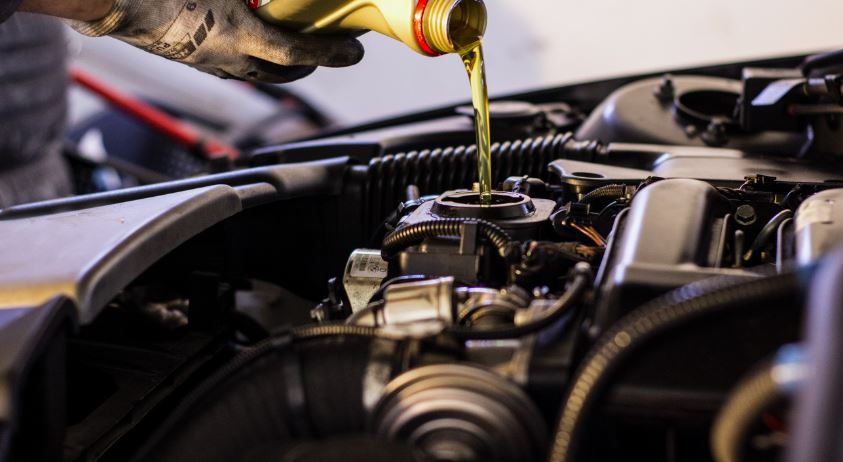

Why Group 4 Base Oils Are Essential for Your Engine
The Importance of Group 4 Base Oils in Modern Engine Technology: A Comprehensive Review
What are Group 4 Base Oils?
Group 4 base oils are a type of lubricant that is used in high-performance engines to provide superior lubrication and protection. They are characterized by their high viscosity index, which means they remain stable even in extreme temperatures and conditions. Group 4 base oils are also highly refined and have a very low sulfur content, making them more environmentally friendly than other types of base oils.
Group 4 base oils are typically made from a combination of petroleum-based and synthetic components, which gives them a unique set of properties that make them well-suited for use in high-performance engines. They have a high viscosity index, which means they remain thick and protective even in extreme temperatures, and they have a low volatility, which means they don’t break down easily over time.
Why Group 4 Base Oils Are Essential for Your Engine
Characteristics of Group 4 Base Oils
Group 4 base oils are a type of lubricant that is designed specifically for high-performance engines. They are characterized by their high viscosity index, which means they remain stable even in extreme temperatures and conditions. This stability is crucial for engines that operate at high temperatures and under heavy loads, as it ensures that the lubricant remains effective and does not break down prematurely.
Another key characteristic of Group 4 base oils is their low sulfur content. This is important because high-sulfur oils can contribute to the formation of particulate emissions and acid deposits on engine components, which can lead to premature wear and tear. Group 4 base oils, on the other hand, have a low sulfur content that helps to minimize these issues.
In addition to their high viscosity index and low sulfur content, Group 4 base oils also have a number of other important characteristics. They are highly refined, which means they have a very low impurity level. This is important because impurities can affect the performance and longevity of the lubricant.
Group 4 base oils also have a high flash point, which is the temperature at which the lubricant ignites when exposed to an ignition source. This is important because it ensures that the lubricant does not ignite or burn during normal engine operation.
Benefits of Group 4 Base Oils

The benefits of using Group 4 base oils in modern engine technology are numerous. Some of the most significant advantages include:
- Improved Fuel Efficiency: Group 4 base oils help to reduce friction between moving parts, which can improve fuel efficiency and reduce fuel consumption. This is particularly important in today’s fuel-conscious environment, where reducing fuel costs is a major priority.
- Enhanced Engine Performance: The superior lubrication properties of Group 4 base oils help to improve engine performance by reducing wear and tear on moving parts. This can result in better acceleration, better towing capacity, and better overall performance.
- Better Wear Protection: The high viscosity index of Group 4 base oils provides excellent wear protection for engine components, reducing the risk of premature wear and tear. This can extend the life of the engine and reduce maintenance needs.
- Improved Cleanliness: Group 4 base oils help to keep engine components clean by preventing the formation of sludge and varnish deposits. This can improve engine performance and reduce maintenance needs.
- Reduced Emissions: The use of Group 4 base oils can help to reduce emissions from engines by minimizing the formation of particulate emissions and acid deposits on engine components.
- Increased Engine Life: The superior lubrication properties of Group 4 base oils can help to extend the life of the engine by reducing wear and tear on moving parts.
- Reduced Maintenance Needs: The use of Group 4 base oils can reduce maintenance needs by minimizing the need for oil changes and reducing the risk of premature wear and tear.
Importance of Group 4 Base Oils in Modern Engine Technology
The importance of Group 4 base oils in modern engine technology cannot be overstated. As engine designers and manufacturers strive to create more efficient and environmentally friendly engines, the need for high-quality lubricants like Group 4 base oils becomes increasingly important.
One of the key challenges facing engine designers today is reducing emissions while maintaining performance. Group 4 base oils play a crucial role in meeting this challenge by providing excellent lubrication properties that help to reduce friction and wear on moving parts.
Another important aspect of modern engine technology is the need for reduced maintenance. With the increasing complexity of modern engines, maintenance costs can quickly add up if not managed properly. Group 4 base oils help to reduce maintenance needs by providing excellent wear protection and minimizing the risk of premature wear and tear.
Applications for Group 4 Base Oils
Group 4 base oils are used in a variety of applications where high-performance engines are required. Some examples include:
- Automotive Applications: Group 4 base oils are used in high-performance sports cars, luxury vehicles, and heavy-duty trucks where excellent lubrication properties are required.
- Industrial Applications: Group 4 base oils are used in industrial equipment such as turbines, compressors, and pumps where high-performance lubrication is required.
- Aerospace Applications: Group 4 base oils are used in aerospace applications such as aircraft engines and transmissions where high-temperature stability is required.
- Marine Applications: Group 4 base oils are used in marine applications such as ship engines and transmissions where excellent corrosion protection is required.
The Impact of Group 4 Base Oils on the Environment
In recent years, the environmental impact of lubricants has become a major concern for manufacturers and consumers alike. As the demand for more sustainable and environmentally friendly products grows, the importance of Group 4 base oils in reducing emissions and minimizing environmental impact cannot be overstated.
Reducing Emissions
Group 4 base oils are designed to provide excellent lubrication properties while minimizing emissions. They are formulated to reduce the formation of particulate emissions and acid deposits on engine components, which can contribute to premature wear and tear.
Environmental Benefits
The use of Group 4 base oils can provide a number of environmental benefits, including:
- Reduced Greenhouse Gas Emissions: The reduced friction and wear on moving parts provided by Group 4 base oils can help to reduce greenhouse gas emissions from engines.
- Lower Particulate Emissions: The low sulfur content of Group 4 base oils helps to reduce particulate emissions from engines.
- Improved Fuel Efficiency: The improved fuel efficiency provided by Group 4 base oils can help to reduce fuel consumption and lower emissions.
- Reduced Waste: The extended life of engines and equipment provided by Group 4 base oils can help to reduce waste and minimize the need for frequent oil changes.
Regulatory Compliance
In response to growing concerns about the environmental impact of lubricants, governments around the world have implemented regulations to reduce emissions and minimize waste. The use of Group 4 base oils can help manufacturers comply with these regulations by providing excellent lubrication properties while minimizing environmental impact.
Examples of Regulatory Compliance
- EU’s Ecodesign Directive: The European Union’s Ecodesign Directive requires that new engines meet specific emission standards. Group 4 base oils can help manufacturers comply with these standards by providing excellent lubrication properties while minimizing emissions.
- US EPA’s Engine Oil Certification Program: The US Environmental Protection Agency’s Engine Oil Certification Program sets standards for engine oil performance and environmental impact. Group 4 base oils can help manufacturers comply with these standards by providing excellent lubrication properties while minimizing emissions.
Future Developments
As technology continues to evolve, the development of new Group 4 base oils is expected to play a key role in reducing emissions and minimizing environmental impact. Some potential developments include:
- Synthetic Base Oils: The development of synthetic base oils with improved lubrication properties and reduced environmental impact.
- Biodegradable Base Oils: The development of biodegradable base oils that can break down naturally in the environment.
- Recyclable Base Oils: The development of recyclable base oils that can be reused or recycled at the end of their life cycle.
By staying ahead of the curve and investing in research and development, manufacturers can ensure that their products meet the demands of a rapidly changing market while minimizing their environmental impact.
Final Thoughts
Group 4 base oils are an essential component of modern engine technology. Their superior lubrication properties, high viscosity index, and low sulfur content make them an ideal choice for high-performance engines. Whether you’re driving a high-performance sports car or operating heavy-duty industrial equipment, using a high-quality Group 4 base oil can improve fuel efficiency, enhance engine performance, provide better wear protection, reduce emissions, increase engine life, reduce maintenance needs, improve cleanliness, and minimize environmental impact.
By choosing a high-quality Group 4 base oil for your engine or equipment, you can ensure optimal performance while minimizing environmental impact. As technology continues to evolve and regulatory requirements become increasingly stringent, the importance of Group 4 base oils will only continue to grow.
FAQs

Radiator Stop Leak UAE: Quick Fix for Vehicle Cooling System Leaks
Radiator Stop Leak UAE: Quick Fix for Vehicle Cooling System Leaks Discover More Introduction: The Unforgiving UAE Climate and Your Vehicle’s Lifeline The United Arab Emirates’ automotive landscape is defined by extremes. Ambient temperatures that regularly surpass 45°C (113°F), coupled with intense urban congestion and long, high-speed desert drives, create a perfect storm of thermal stress for every vehicle. In this environment, your engine cooling system is not merely a subsystem; it is the single most critical component preventing catastrophic engine failure.
What Type of Transmission Oil in UAE Does My Car Need? Your Complete Guide
What Type of Transmission Oil in UAE Does My Car Need? Your Complete Guide Discover More Navigating the vast, sun-baked highways of the United Arab Emirates—from the dynamic urban sprawls of Dubai and Abu Dhabi to the majestic desert dunes and the tranquil mountain passes of the Hajar range—places extraordinary mechanical and thermal stress on every component of your vehicle. While conscientious drivers often prioritize engine oil changes, the vital lifeblood safeguarding the transmission, the complex heart of your car’s

Guide to UAE Turbine Oil Selection Application & Management for Industrial Facilities
Guide to UAE Turbine Oil Selection, Application, and Management for Industrial Facilities Discover More In the hyper-competitive industrial landscape of the United Arab Emirates, where operational excellence directly translates to economic advantage, turbine lubrication represents a critical nexus of reliability engineering and strategic asset management. This comprehensive guide, developed with technical insights from Rumanza Lubricants, provides an unprecedented deep dive into the science, selection criteria, and life-cycle management of turbine oils specifically engineered for the extreme operating conditions of the

Synthetic vs. Mineral Hydraulic Oil in UAE : Which is Best for Your Operation?
Synthetic vs. Mineral Hydraulic Oil in UAE : Which is Best for Your Operation? Discover More Across the dynamic landscape of the United Arab Emirates—from the megaprojects of Dubai Marina to the intricate conveyor systems of Jebel Ali Port, from the massive hydraulic shovels in Al Dhafra quarries to the precision automated lines in Abu Dhabi’s industrial cities—the silent, powerful force of hydraulics is indispensable. These systems convert fluid power into monumental force and precise motion. At the core of

What is a Pour Point Depressant? | Benefits, Uses & How It Works Mechanism
What is a Pour Point Depressant? | Benefits, Uses & How It Works Mechanism Discover More In the intricate world of lubricant formulation, few additives play as critical yet understated a role in cold-weather operability as Pour Point Depressants (PPDs). These specialized chemical compounds are the linchpin that prevents machinery from seizing up when temperatures plummet. This in-depth guide goes beyond the basics, exploring the sophisticated chemistry, detailed mechanism, nuanced benefits, and practical considerations of PPDs. We will also examine the

Guide to Gasoline Engine Oils for UAE’s Extreme Climate: Engineering Peak Performance
Gasoline Engine Oils for UAE’s Extreme Climate: Engineering Peak Performance Discover More In the heart of the Arabian Peninsula, the United Arab Emirates stands as a testament to human ambition, with its engineering marvels and endless highways. Yet, this environment of soaring achievement is also one of the most punishing on Earth for machinery. For your vehicle—whether a nimble city sedan, a powerful family SUV, or a high-performance sports car—the UAE’s climate is a relentless adversary. The choice of engine

What are Polyol Ester Oils & Lubricants – Properties & Applications
What are Polyol Ester Oils & Lubricants – Properties & Applications Discover More In the intricate world of industrial machinery, automotive engines, and advanced refrigeration systems, the choice of lubricant is not merely a maintenance task—it’s a critical engineering decision. While conventional mineral oils have served us for over a century, the demands of modern technology require fluids that can perform under extreme pressure, temperature, and environmental stress. This is where synthetic lubricants, specifically Polyol Ester oils, come to the forefront.

Guide to Choosing the Right Lithium Complex Grease in UAE
Guide to Choosing the Right Lithium Complex Grease in UAE for Unbeatable Performance Discover More In the heart of a region defined by its ambition and extreme climate, the machinery that builds and powers the UAE operates under immense pressure. From the towering cranes sculpting Dubai’s skyline to the massive haul trucks in Abu Dhabi’s industrial zones and the relentless conveyor systems in Jebel Ali Port, every moving part is a critical link in the chain of progress. Protecting these