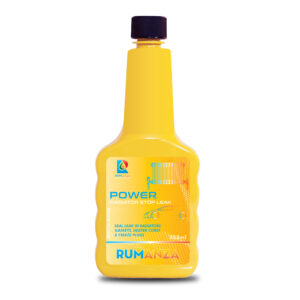
Radiator Stop Leak UAE: Quick Fix for Vehicle Cooling System Leaks

Introduction: The Unforgiving UAE Climate and Your Vehicle's Lifeline

The United Arab Emirates’ automotive landscape is defined by extremes. Ambient temperatures that regularly surpass 45°C (113°F), coupled with intense urban congestion and long, high-speed desert drives, create a perfect storm of thermal stress for every vehicle. In this environment, your engine cooling system is not merely a subsystem; it is the single most critical component preventing catastrophic engine failure. A coolant leak, therefore, is a genuine emergency. The sight of steam rising from the hood on Sheikh Zayed Road or a plummeting temperature gauge on the road to Al Ain is a driver’s nightmare, signaling potential engine seizure, warped cylinder heads, and repair bills that can reach thousands of dirhams.

For the pragmatic UAE driver—whether a daily commuter in Dubai, a fleet manager in Abu Dhabi, or an adventure seeker in Fujairah—having a reliable, immediate contingency plan is essential. High-quality radiator stop leak products have evolved into a sophisticated first-response automotive solution. However, the market is rife with archaic formulas that can cause more harm than good. Rumanza Lubricants, a brand built on engineering excellence and regional expertise, demystifies this topic. Our advanced Radiator Stop Sealant Plus represents a new generation of smart polymer technology, formulated specifically for the harsh Middle Eastern climate and modern engine tolerances.

This comprehensive guide will explore the intricate science of cooling systems, provide a forensic look at leak origins, and deliver an unbiased, detailed analysis of stop leak as a solution. We will weigh its significant advantages against its inherent limitations, offer comparative insights, and culminate with a robust preventative maintenance framework to keep your vehicle running coolly and efficiently.

The Intricate Physiology of Your Vehicle's Cooling System

To appreciate the solution, one must first understand the system. Think of your engine as a high-performance athlete; the cooling system is its sweat and circulatory system, managing an immense thermal load.

The Core Components & Their Functions:

  1. Radiator: The primary heat exchanger. Hot coolant flows through thin tubes (often aluminum) surrounded by fins. As air passes through (aided by the cooling fan), heat dissipates.

  2. Water Pump: The heart of the system. This impeller-driven pump, often belt-driven, creates constant coolant circulation from the engine block to the radiator and back.

  3. Thermostat: The brain. This temperature-sensitive valve remains closed when the engine is cold, allowing for rapid warm-up. It opens at a set temperature (usually 82-95°C) to initiate flow through the radiator, maintaining optimal operating temperature.

  4. Coolant/Antifreeze: A specially formulated mixture (typically 50:50 with distilled water) that lowers the freezing point, raises the boiling point, and contains anti-corrosion and lubricating additives.

  5. Hoses (Upper & Lower): Reinforced rubber conduits that transport coolant between components, designed to withstand pressure and heat cycling.

  6. Heater Core: A miniature radiator inside the dashboard. Hot coolant is diverted here to provide cabin warmth, but it remains part of the main loop.

  7. Expansion Tank/Reservoir: A plastic tank that allows for coolant expansion and contraction, maintaining a pressurized system (typically 13-16 PSI) to further raise the boiling point.

The UAE-Specific Stress Factors:

  • Thermal Cycling: Daily temperature swings and the contrast between blistering engine heat and powerful AC cooling cause constant expansion and contraction of metal, plastic, and rubber parts, leading to fatigue cracks and gasket degradation.

  • High Ambient Heat: Reduces the radiator’s efficiency in dissipating heat, forcing the system to work at its maximum capacity more frequently.

  • Sand & Dust: Can clog delicate radiator fins, acting as an insulating blanket and reducing airflow.

Anatomy of a Leak – Common Failure Points in UAE Vehicles

Leaks are symptoms of underlying stress. Here’s a detailed breakdown of where and why they occur:


ComponentCommon Failure ModePrimary Causes (UAE Context)Typical Symptoms
Radiator CorePinhole leaks, seam failureCorrosion from old coolant, physical impact from road debris, electrolytic corrosion.Visible coolant spray or drip, dried green/red residue on fins.
Plastic Header TanksCracks around inlet/outlet necksThermal fatigue from repeated heating/cooling cycles, pressure cap failure.Crack visible on plastic, coolant loss from tank area.
Coolant HosesBulging, cracking, softening at clampsRubber degradation from extreme heat, high under-hood temperatures, aged rubber.Visible seepage at connections, spongy hose feel, splits.
Water PumpSeal failure, gasket leakBearing wear leads to seal wobble; abrasive particles in old coolant damage the seal.Coolant drip from the “weep hole,” whining noise.
Heater CoreTube corrosion or seam leakInternal corrosion is the main culprit, often accelerated by using plain water instead of proper coolant.Sweet smell in cabin, foggy film on windshield, damp passenger footwell.
Freeze/Core PlugsRust-through or pop-outSevere corrosion due to lack of proper antifreeze inhibitors.Leak from engine block, often behind exhaust manifold.
Head GasketInternal leak (coolant into cylinders or oil passages)Engine overheating is the #1 cause. Warps the head, compromising the seal.White exhaust smoke, milky oil on dipstick, overheating, loss of power.

Rumanza Radiator Stop Sealant Plus – A Deep Dive into Advanced Polymer Science

Modern stop leak, when engineered correctly, is a far cry from the “liquid glass” or fibrous sealants of the past. Rumanza’s formula is a thermally-activated liquid polymer system.

The Sealing Mechanism – A Four-Stage Process:

  1. Dispersion & Circulation: Upon introduction to the coolant, the proprietary polymers remain in a stable, micro-dispersed state. They flow freely through the entire system—radiator tubes, engine water jackets, heater core—without settling or affecting viscosity or heat transfer properties.

  2. Migration & Activation: The solution is drawn towards points of pressure differential—the leak sites. As the liquid polymer is forced out through a crack or pinhole, it encounters a sharp change in environment: a drop in pressure and temperature, and exposure to air.

  3. Polymerization & Bonding: This environmental change triggers a rapid cross-linking polymerization reaction. The liquid solidifies into a flexible, tenacious, rubber-like seal. Crucially, this seal forms across the leak channel, bonding chemically to the substrate (metal, plastic, or rubber) due to specific adhesion promoters in the formula.

  4. System Stabilization: Once the active leak is sealed, the reaction ceases. The remaining product stays in suspension, acting as a preventative maintenance agent, ready to address nascent micro-leaks that may develop from ongoing thermal stress.

Key Engineering Advantages of the Rumanza Formula:

  • Particle Size Control: Polymers are engineered to be significantly smaller than the passages in a modern heater core or radiator tube, eliminating the risk of blockage.

  • Thermal Stability: The seal remains elastic and adhesive across a range from -40°C to 150°C, ensuring it doesn’t become brittle in winter or melt in peak UAE summer.

  • Material Compatibility: Formulated to be non-corrosive and safe for all metals (aluminum, copper, brass, cast iron), plastics (Nylon 6,6, Polypropylene), and elastomers (EPDM, silicone hoses) found in modern cooling systems.

  • Coolant Synergy: Designed to work with all standard OAT (Organic Acid Technology), HOAT (Hybrid OAT), and traditional IAT (Inorganic Additive Technology) antifreeze coolants without degrading their protective additives.

Unvarnished Analysis – Pros, Cons, and Ideal Use Cases

An informed decision requires a balanced view. Below is a detailed comparative analysis.

Pros: The Compelling Advantages

  1. Immediate Emergency Repair: Can seal a leak in 10-20 minutes of driving, potentially preventing a tow truck call from a remote location—a critical safety and financial benefit in the UAE.

  2. Cost-Effective Interim Solution: At a fraction of the cost of a radiator replacement  or heater core repair (often requiring extensive dashboard disassembly), it provides significant short-term savings.

  3. Convenience & Simplicity: A true DIY fix that requires no mechanical expertise. It empowers the vehicle owner to take immediate action.

  4. Proactive Leak Prevention: When used during a routine coolant service, it can seal microscopic porosity and hairline cracks invisible to the naked eye, extending the service life of aging components.

  5. Fleet Management Utility: For large fleets of buses, trucks, or delivery vans, it can keep vehicles operational until the next scheduled maintenance window, minimizing downtime costs.

Cons: The Important Limitations & Risks

  1. Temporary/Palliative Nature: It is a sealant, not a structural repair. It does not restore the tensile strength of a cracked plastic tank or corroded metal. The underlying weakness remains.

  2. Ineffective on Major Damage: It cannot seal large splits in hoses, blown head gaskets (especially internal leaks), or significant mechanical failures. It is designed for small to moderate external leaks (typically up to 1.5mm).

  3. Potential for Misdiagnosis: Successfully sealing a symptom (a minor leak) can sometimes mask a more serious underlying issue (like a failing water pump or a slightly warped cylinder head), delaying necessary repairs.

  4. Mechanic Skepticism: Some workshops may be hesitant due to experiences with low-quality, clogging products. Using a reputable brand like Rumanza and informing your mechanic is crucial.

  5. Not a Substitute for Maintenance: It is a tool for management and emergency use, not a replacement for proper diagnostics and mechanical repair.

Comparative Table: Rumanza Sealant vs. Traditional Repair

AspectRumanza Radiator Stop Sealant PlusTraditional Mechanical Repair
Time to Fix10-30 minutes (including circulation time)Hours to Days (parts sourcing, workshop scheduling, labor).
Approximate Cost product cost onlyparts + significant labor costs
Expertise RequiredMinimal (DIY). Follow bottle instructions.Professional. Requires skilled mechanic with tools.
Longevity of FixTemporary to Medium-Term. Can last months or even years for stable micro-leaks.Permanent. Replaces the failed component.
Impact on Vehicle DowntimeNegligible. Vehicle remains in service.Significant. Vehicle is in the workshop.
Best ForEmergency repairs, minor leaks, preventative care, extending life of an older vehicle.Major failures, large cracks, planned component replacement, restoring like-new integrity.

Definitive Application Protocol for UAE Conditions

For maximum efficacy and safety, adhere to this detailed procedure:

Preparation:

  1. Ensure Complete Cool Down: Park on level ground and wait until the radiator hose is cool to the touch. NEVER open a hot system.

  2. Gather Supplies: Rumanza Radiator Stop Sealant Plus, funnel, gloves, clean rag.

  3. Identify Fill Point: Locate the radiator pressure cap (only if the system has one) or the coolant expansion reservoir (most modern vehicles).

Application:

  1. Shake Vigorously: Shake the bottle for 30 seconds to ensure the polymers are fully suspended.

  2. Add Product: Slowly pour the entire contents into the fill point. For reservoirs, pour directly in. For radiators, remove the cap carefully and add.

  3. Top Up Coolant: If needed, top up the system with the correct type of coolant or distilled water to the “MAX” or “FULL COLD” line.

  4. Seal & Circulate: Replace the cap securely. Start the engine and turn the heater controls to maximum heat and fan speed. This ensures flow through the heater core.

  5. Idle & Monitor: Allow the engine to idle for 15-20 minutes, preferably while driving normally to ensure proper thermostat operation and system pressurization. Observe the temperature gauge; it should remain stable.

Post-Application:

  1. Re-check Coolant Level: After the engine cools completely (preferably the next morning), check the level and top up if necessary.

  2. Monitor for Success: Over the next few days, check for visual leaks and monitor the coolant level. The seal strengthens with 2-3 full heat cycles.

Golden Rules of UAE Cooling System Maintenance

Prevention is infinitely better than cure. Integrate these practices into your vehicle care regimen:

  1. Bi-Annual Coolant Inspections: Check coolant level, color, and consistency every 6 months. Healthy coolant is bright (green, red, orange) and clear. Murky or rusty coolant needs replacement.

  2. Adhere to Flush Intervals: Strictly follow your vehicle manufacturer’s coolant service schedule (typically every 60,000 km or 4-5 years). A professional coolant flush removes abrasive degradation particles and replenishes corrosion inhibitors.

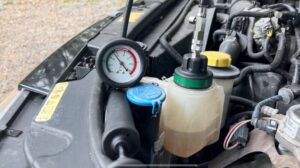
  3. Annual Pressure Test: During your major service, request a cooling system pressure test. This applies 1.5x the system’s normal pressure to identify weak seals and developing leaks before they fail on the road.

  4. Visual Hose & Belt Inspection: Every oil change, visually inspect all coolant hoses for cracks, bulges, or soft spots. Check the drive belt that powers the water pump for wear.

  5. Use the Correct Coolant: Never use plain tap water. Always use a pre-mixed coolant or mix concentrate with demineralized/distilled water at the correct ratio. Using the wrong type can cause gelation or corrosion.

  6. Keep the Radiator Exterior Clean: Gently clean clogged radiator fins and the AC condenser in front of it with low-pressure air or water to maintain airflow.

Conclusion: A Tool for the Intelligent UAE Motorist<

In the demanding automotive ecosystem of the UAE, knowledge and preparation are your greatest assets. Rumanza Lubricants’ Radiator Stop Sealant Plus is not a magical cure-all, but rather a sophisticated, engineer-grade tool for the intelligent vehicle owner. It represents a practical, economical, and highly effective strategy for managing minor cooling system leaks and buying critical time.

By providing a transparent, science-backed solution rooted in an intimate understanding of Gulf region driving challenges. Whether used as an emergency safety net in your trunk, a cost-saving interim measure for an older vehicle, or a preventative additive during servicing, it offers unparalleled peace of mind.

Drive with the confidence that comes from preparedness. Choose a solution born from an understanding of the heat, the distance, and the relentless demands of the road.

Choose Rumanza Lubricants – Precision Engineered for the Pace of the Emirates.

FAQs

Yes. Our micro-polymer formula is designed not to clog small passages in aluminum radiators, heater cores, or turbos. It only solidifies at the leak site.
No. Always let the engine cool completely first. Adding to a hot, pressurized system is dangerous and ineffective.
Yes. Running the heater on full during application ensures it circulates through the core to seal internal leaks that cause cabin fogging or smell.
It starts sealing within 10-15 minutes of driving. The seal strengthens over 2-3 full heat cycles (drives).
Yes. It’s compatible with all standard coolants (OAT, HOAT, IAT) and all materials (aluminum, plastic, rubber).
Radiator Stop Leak UAE

Radiator Stop Leak UAE: Quick Fix for Vehicle Cooling System Leaks

Radiator Stop Leak UAE: Quick Fix for Vehicle Cooling System Leaks Discover More Introduction: The Unforgiving UAE Climate and Your Vehicle’s Lifeline The United Arab Emirates’ automotive landscape is defined by extremes. Ambient temperatures that regularly surpass 45°C (113°F), coupled with intense urban congestion and long, high-speed desert drives, create a perfect storm of thermal stress for every vehicle. In this environment, your engine cooling system is not merely a subsystem; it is the single most critical component preventing catastrophic engine failure.
Read More »
Transmission Oil in UAE

What Type of Transmission Oil in UAE Does My Car Need? Your Complete Guide

What Type of Transmission Oil in UAE Does My Car Need? Your Complete Guide Discover More Navigating the vast, sun-baked highways of the United Arab Emirates—from the dynamic urban sprawls of Dubai and Abu Dhabi to the majestic desert dunes and the tranquil mountain passes of the Hajar range—places extraordinary mechanical and thermal stress on every component of your vehicle. While conscientious drivers often prioritize engine oil changes, the vital lifeblood safeguarding the transmission, the complex heart of your car’s
Read More »
UAE Turbine Oil

Guide to UAE Turbine Oil Selection Application & Management for Industrial Facilities

Guide to UAE Turbine Oil Selection, Application, and Management for Industrial Facilities Discover More In the hyper-competitive industrial landscape of the United Arab Emirates, where operational excellence directly translates to economic advantage, turbine lubrication represents a critical nexus of reliability engineering and strategic asset management. This comprehensive guide, developed with technical insights from Rumanza Lubricants, provides an unprecedented deep dive into the science, selection criteria, and life-cycle management of turbine oils specifically engineered for the extreme operating conditions of the

Read More »
Hyderolic Oil in UAE

Synthetic vs. Mineral Hydraulic Oil in UAE : Which is Best for Your Operation?

Synthetic vs. Mineral Hydraulic Oil in UAE : Which is Best for Your Operation? Discover More Across the dynamic landscape of the United Arab Emirates—from the megaprojects of Dubai Marina to the intricate conveyor systems of Jebel Ali Port, from the massive hydraulic shovels in Al Dhafra quarries to the precision automated lines in Abu Dhabi’s industrial cities—the silent, powerful force of hydraulics is indispensable. These systems convert fluid power into monumental force and precise motion. At the core of

Read More »
Pour Point Depressant

What is a Pour Point Depressant? | Benefits, Uses & How It Works Mechanism

What is a Pour Point Depressant? | Benefits, Uses & How It Works Mechanism Discover More In the intricate world of lubricant formulation, few additives play as critical yet understated a role in cold-weather operability as Pour Point Depressants (PPDs). These specialized chemical compounds are the linchpin that prevents machinery from seizing up when temperatures plummet. This in-depth guide goes beyond the basics, exploring the sophisticated chemistry, detailed mechanism, nuanced benefits, and practical considerations of PPDs. We will also examine the
Read More »
Gasoline Engine Oils for UAE

Guide to Gasoline Engine Oils for UAE’s Extreme Climate: Engineering Peak Performance

Gasoline Engine Oils for UAE’s Extreme Climate: Engineering Peak Performance Discover More In the heart of the Arabian Peninsula, the United Arab Emirates stands as a testament to human ambition, with its engineering marvels and endless highways. Yet, this environment of soaring achievement is also one of the most punishing on Earth for machinery. For your vehicle—whether a nimble city sedan, a powerful family SUV, or a high-performance sports car—the UAE’s climate is a relentless adversary. The choice of engine
Read More »
Polyol Ester Oils

What are Polyol Ester Oils & Lubricants – Properties & Applications

What are Polyol Ester Oils & Lubricants – Properties & Applications Discover More In the intricate world of industrial machinery, automotive engines, and advanced refrigeration systems, the choice of lubricant is not merely a maintenance task—it’s a critical engineering decision. While conventional mineral oils have served us for over a century, the demands of modern technology require fluids that can perform under extreme pressure, temperature, and environmental stress. This is where synthetic lubricants, specifically Polyol Ester oils, come to the forefront.
Read More »
Lithium Complex Grease UAE

Guide to Choosing the Right Lithium Complex Grease in UAE

Guide to Choosing the Right Lithium Complex Grease in UAE for Unbeatable Performance Discover More In the heart of a region defined by its ambition and extreme climate, the machinery that builds and powers the UAE operates under immense pressure. From the towering cranes sculpting Dubai’s skyline to the massive haul trucks in Abu Dhabi’s industrial zones and the relentless conveyor systems in Jebel Ali Port, every moving part is a critical link in the chain of progress. Protecting these

Read More »
Lithium Grease UAE

Lithium Grease UAE – Buy Multi-Purpose Lubricant Grease

Lithium Grease UAE – Buy Multi-Purpose Lubricant Grease Discover More In the relentless engine of the United Arab Emirates’ economy—where monumental construction, non-stop logistics, and a climate of extreme heat and abrasive sand are the norm—the battle against friction and corrosion is perpetual. The integrity of a construction crane’s slewing ring, the smooth operation of a delivery fleet’s wheel bearings, and the silent efficiency of a hotel’s HVAC system all hinge on a single, critical decision: the choice of lubricant.

Read More »