
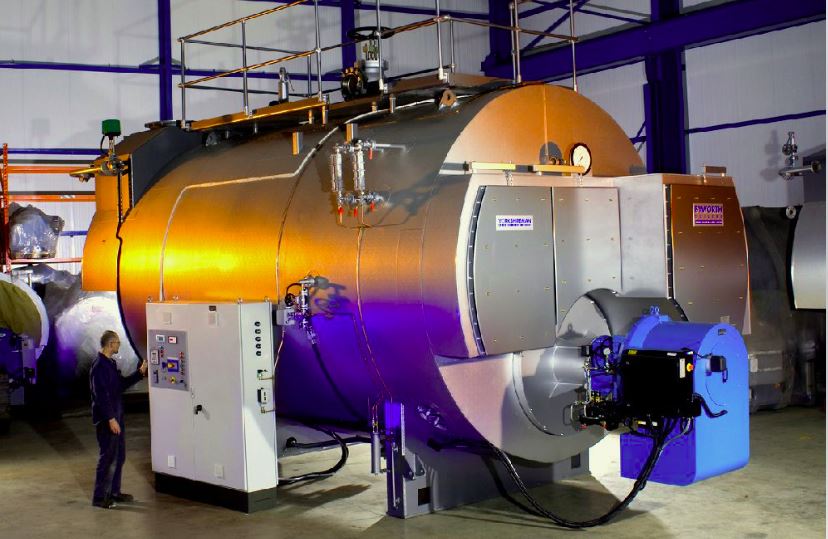

Rumanza Furnace Oil is a heavy, viscous liquid that is derived from crude oil during the refining process. It is classified as a petroleum product and is primarily composed of hydrocarbons with a boiling point between 350°C and 600°C. The term “Rumanza” is derived from the words “Rum” (meaning oil) and “Anza” (meaning pump), which together refer to the process of pumping oil.
This type of furnace oil is a low-sulfur, kerosene-based fuel that is primarily used for residential heating systems.
This type of furnace oil is a medium-sulfur fuel that is commonly used for residential and commercial heating systems.
This type of furnace oil is a high-sulfur fuel that is primarily used in large-scale industrial processes and power generation.
Rumanza Furnace Oil is a relatively inexpensive fuel source compared to other alternatives like natural gas or electricity.
Furnace oil has a high energy density, which means that it can produce a significant amount of heat per unit of mass or volume.
Rumanza Furnace Oil is readily available in most regions and can be easily transported via pipelines, trucks, or ships.
Furnace oil can be used in a wide range of applications, including heating systems, power plants, and industrial processes.
The environmental impact of Rumanza Furnace Oil underscores the importance of transitioning to cleaner energy sources. Efforts to mitigate environmental degradation include the implementation of emission control technologies, promoting energy efficiency, and transitioning to renewable energy alternatives.


Comparative analysis with alternative fuel sources provides insights into the strengths and weaknesses of Rumanza Furnace Oil. Factors such as energy density, cost, environmental impact, and availability are crucial considerations in evaluating its suitability for specific applications.


Rumanza Furnace Oil plays a pivotal role in powering industries and homes, offering a reliable and cost-effective energy solution. While it boasts several advantages, its environmental impact underscores the need for sustainable alternatives and innovative technologies. By adhering to quality standards, promoting energy efficiency, and exploring cleaner alternatives, stakeholders can mitigate environmental concerns while ensuring continued access to thermal energy.


Rumanza Furnace Oil can be used for residential heating; however, proper ventilation and adherence to safety guidelines are essential to minimize risks.
Yes, renewable alternatives such as biomass pellets and solar thermal energy are gaining traction as sustainable alternatives to furnace oil.
Industries can invest in emission control technologies, implement energy efficiency measures, and explore the integration of renewable energy sources into their operations.
Consumers should procure Rumanza Furnace Oil from reputable suppliers who adhere to quality standards and regulations, ensuring the fuel meets specified parameters for optimal performance and safety.
Please Fill Out The Form For Rumanza Groups of Companies