Rumanza Xylene Oil

Rumanza For Excellence in Every Drop – what is xylene
xylene is a solvent-based chemical that is derived from petroleum or coal tar. It is a mixture of three isomers: ortho-xylene, meta-xylene, and para-xylene. These isomers have slightly different physical and chemical properties, but they are all used for similar applications.
Xylene is a versatile chemical that can be used in a wide range of applications, including the production of plastics, adhesives, coatings, and paints. It is also used as a cleaning agent and as a degreaser in various industries.
Current Applications of Xylene Uses in the Automotive Industry
Painting and Coating
Xylene uses is still used as a solvent in paint and coating applications. It helps to dissolve and mix pigments, allowing for a smooth, even application.
Cleaning and Degreasing
Adhesives and Sealants
Plastics Processing
xylene uses in industry as a solvent in the processing of plastics used in car interiors, such as dashboards and trim.
Coolant Antifreeze
Benefits of Xylene in the Automotive Industry
Improved Efficiency
Cost-Effective
Environmentally Friendly
Versatility
Rumanza Xylene: Pure Chemistry, Pure Success
In the automotive industry, uses for xylene in a variety of ways like xylene on car paint. One of the most common uses of xylene is in the production of plastics and resins. Xylene is used as a solvent to dissolve and mix plastic resins, which are then molded into various shapes to create parts such as dashboards, bumpers, and trim components. Xylene is also used in the production of adhesives and coatings. These products are used to bond and seal various components together, such as windows, doors, and body panels. Xylene helps to improve the strength and durability of these adhesives and coatings by reducing their viscosity and improving their flowability. Another important use of xylene in automotive production is in the manufacture of paints and coatings. Xylene is used as a solvent to thin paint and improve its flowability, making it easier to apply to complex surfaces.


Choose Rumanza Xylene for Cleaner, Consistent Results
Discover Latest Rumanza Xylene Petrochemicals Oils Products
Future Outlook for Xylene in Automotive Production
Despite its many benefits, the use of xylene in automotive production has been declining in recent years due to environmental concerns and regulatory pressures. Many countries have implemented regulations aimed at reducing emissions and conserving resources, which has led some manufacturers to seek out alternative solvents.
However, xylene remains an important chemical in many automotive applications due to its unique properties and versatility. As manufacturers continue to develop new technologies and processes, it’s likely that the role of xylene will evolve to meet changing demands.

-

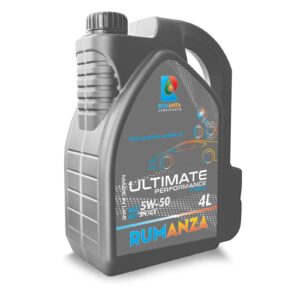
Rumanza Xtreme
$1,000.00 This product has multiple variants. The options may be chosen on the product page -
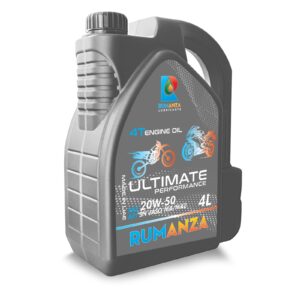
Rumanza 4T
$1,000.00 This product has multiple variants. The options may be chosen on the product page -
Rumanza Xrace Pro
$1,000.00 This product has multiple variants. The options may be chosen on the product page -
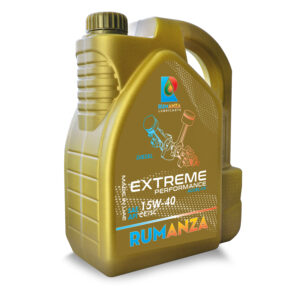
RUMANZA Accel-VX Diesel Engine Oil
$1,000.00 This product has multiple variants. The options may be chosen on the product page
Frequently Asked Questions (FAQs)
Yes, Xylene is regulated by various government agencies around the world, including the Environmental Protection Agency (EPA) in the United States. Manufacturers and handlers must comply with strict guidelines for its use, storage, and disposal.
In the event of a spill or leak, immediately evacuate the area and contain the spill using absorbent materials. Wear PPE and follow proper procedures for cleaning up and disposing of the contaminated materials.
The main uses of Xylene include producing plastics and resins, adhesives and coatings, paints and coatings, and cleaning agents.
While Xylene is generally considered safe when handled properly, prolonged exposure to it can cause skin, eye, and respiratory irritation. It can also be flammable and release hazardous fumes when heated or burned. Proper personal protective equipment (PPE) and ventilation should be used when handling Xylene.
As a solvent-based chemical, Xylene can contaminate soil, water, and air. It can also contribute to greenhouse gas emissions and has been linked to health problems in humans and animals. Efforts are being made to reduce its use and develop more environmentally friendly alternatives.