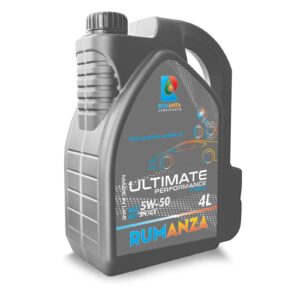
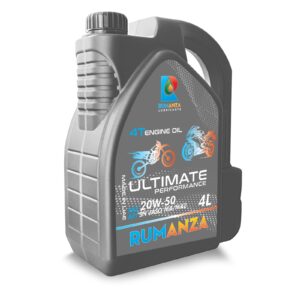
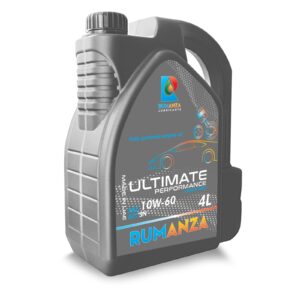
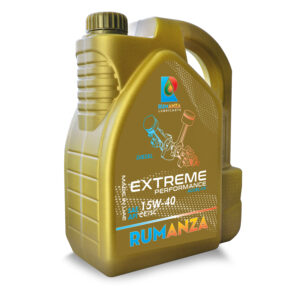
Rumanza viscosity index improver
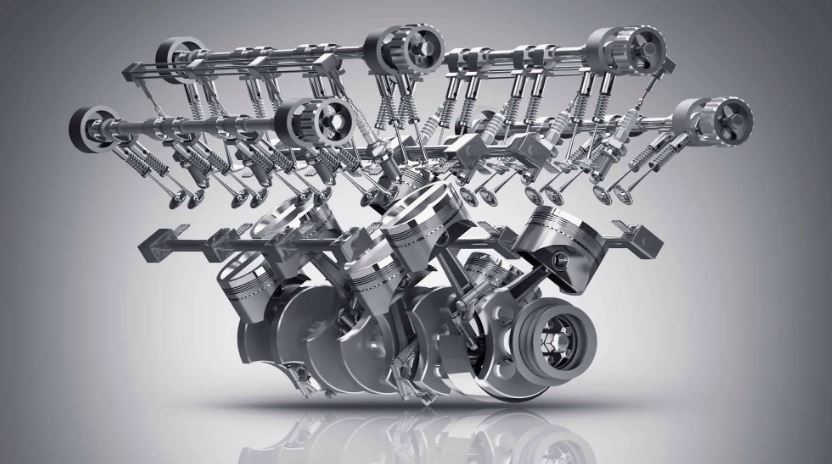
Rumanza Viscosity Index Improver: Game-Changer for Automotive Lubrication
Viscosity index improver is a type of additive that is designed to improve the viscosity of lubricating oils at high temperatures. Viscosity is a measure of an oil’s thickness and flowability. When an oil’s viscosity index is high, it means that it remains thick and viscous even at high temperatures, which helps to maintain proper lubrication and prevent wear on engine components. However, traditional lubricants often experience a significant drop in viscosity at high temperatures, which can lead to decreased lubrication and increased wear.
Types of Viscosity Index Improvers
Viscosity index improvers can be broadly classified into two main categories: polymeric and non-polymeric additives.
Polymeric Viscosity Index Improvers:
These are the most common VIIs and are made up of large, flexible molecules that change their shape as the temperature fluctuates. They typically provide the greatest improvement in viscosity characteristics. Polymeric VI improvers are widely used in automotive oils, industrial oils, and other high-performance lubricants.Non-Polymeric Viscosity Index Improvers:
These are smaller molecules, often made from more complex chemical structures, which are used to stabilize the viscosity in specific situations where polymeric additives might not be suitable. Non-polymeric VI improvers are often employed in high-temperature or high-pressure conditions where polymeric improvers may degrade.
Rumanza Viscosity Index Improver Benefits
Improved Engine Performance
Extended Engine Life
Reduced Oil Consumption
Enhanced Fuel Efficiency
Simplified Maintenance
Rumanza Viscosity Index Improvers Applications
Automotive Lubricants
Industrial Machinery
Aviation
Marine Applications
How does Rumanza Viscosity Index Improver Work?
Mechanism of Action

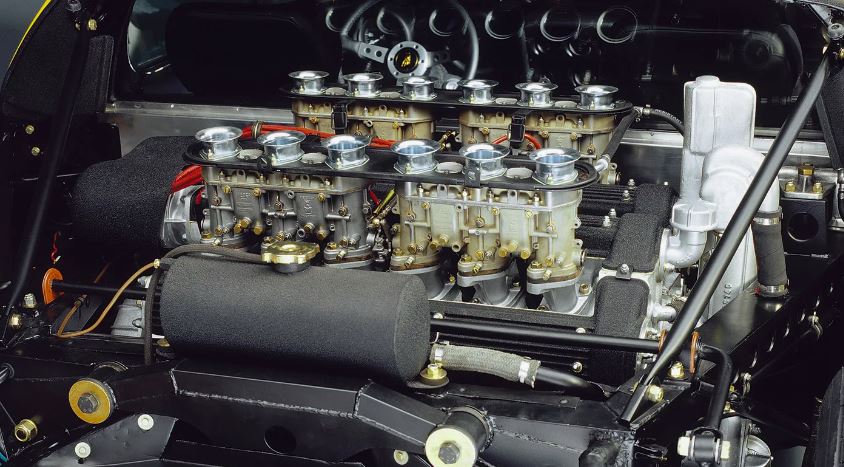
Rumanza Viscosity Index Improver Advantages
Discover Latest Rumanza viscosity index improver Products
-

Rumanza 1802 Anti-Oxidant
-
Sale!
Ash less Dispersant Additive
$1,000.00Original price was: $1,000.00.$999.00Current price is: $999.00. -
Sale!
Extreme Pressure Additives
$1,000.00Original price was: $1,000.00.$999.00Current price is: $999.00. -
Sale!
Friction Modifiers
$1,000.00Original price was: $1,000.00.$999.00Current price is: $999.00.



"Future of Lubrication is Here: Rumanza Viscosity Index Improver
Rumanza viscosity index improver is a cutting-edge additive that has revolutionized the automotive industry. Its ability to improve the viscosity index of lubricating oils makes it an essential component in maintaining optimal engine performance, reducing wear and tear on engine components, and extending engine life. With its superior performance, high-temperature capabilities, and wide compatibility, Rumanza VII is an ideal choice for automotive manufacturers and industrial applications alike. As the demand for sustainable and efficient solutions continues to grow, Rumanza viscosity index improver is poised to play a significant role in shaping the future of automotive lubrication.

-
Rumanza Xtreme
$1,000.00 This product has multiple variants. The options may be chosen on the product page -
Rumanza 4T
$1,000.00 This product has multiple variants. The options may be chosen on the product page -
Rumanza Xrace Pro
$1,000.00 This product has multiple variants. The options may be chosen on the product page -
RUMANZA Accel-VX Diesel Engine Oil
$1,000.00 This product has multiple variants. The options may be chosen on the product page